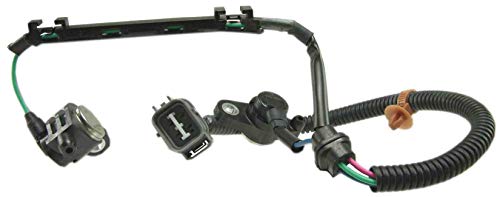
Sensors
AutoMeter 2242 Oil Pressure Sensor 0-100 PSI 1/8" NPT Short Sweep Electric
VDO Gauges 11-37-7-541-677 Eccentric Shaft Sensor for BMW Valvetronic System
AutoMeter 5249 Type K Thermocouple Kit with Closed Tip and 10ft Cable
Bosch 0261210141 Crankshaft Position Sensor OEM-Quality Engine CKP Sensor
Why Engine Sensors Are the Nervous System of Your Vehicle
Modern internal combustion engines are precision machines that rely on a constant stream of data to operate efficiently. At the heart of this data network are engine sensors — small but mission-critical components that feed your vehicle's Engine Control Unit (ECU) the real-time information it needs to manage ignition timing, fuel injection, valve operation, and engine speed. Without accurate sensor signals, even the most powerful engine is flying blind.
How Crankshaft and Camshaft Position Sensors Work Together
The two most fundamental sensors in this category are the crankshaft position sensor (CKP) and the camshaft position sensor (CMP). The Engine Crankshaft Position Sensor monitors the exact position and rotational speed of the crankshaft, generating a pulsed voltage signal that the ECU uses to calculate ignition timing, fuel injection timing, and engine RPM. It is also used to detect individual cylinder misfires — a key function in OBD-II equipped vehicles built since 1996.
Working in tandem, the Engine Camshaft Position Sensor tracks the camshaft's rotation and relays that data to the ECU, which uses it to determine the optimal moment for spark plug ignition and fuel injection for each cylinder. Together, these two sensors tell the ECU when a piston is approaching top dead center and the combustion cycle is ready to begin — which is also where the TDC Sensor plays a specialized role, directly indicating top dead center for precise timing control.
For performance enthusiasts and engine builders, the Ignition Crank Trigger Kit offers an upgraded alternative to stock timing systems, providing more accurate crank position signals for high-output and modified engines. Rounding out the category, the Engine Crankshaft Position Sensor Interrupter is the rotating reluctor or trigger wheel that the sensor reads — a detail that matters when diagnosing signal quality or rebuilding a timing system from scratch.
What Happens When Sensors Fail?
A failing crankshaft or camshaft position sensor can cause a cascade of drivability problems: hard starts, rough idling, engine stalling, misfires, poor fuel economy, and an illuminated Check Engine light. In severe cases, a bad crankshaft sensor can prevent the engine from starting at all, since the ECU loses the timing signal it needs to fire the injectors and spark plugs. Sensors are exposed to extreme heat, vibration, moisture, and corrosion throughout their service life — making quality of construction a critical factor when choosing a replacement.
Top Sensor Brands
Spectra Premium is a top choice in this category, with camshaft and crankshaft position sensors engineered to OE fit, form, and function. Each sensor undergoes long-cycle thermal shock testing and salt spray testing for corrosion resistance, and they are manufactured under ISO 9001 and TS16949 quality management standards.
Mopar Performance sensors are the factory-specified choice for Chrysler, Dodge, Jeep, and Ram vehicles — making them a trusted option for owners who want OEM-grade accuracy and compatibility on their FCA/Stellantis platform vehicles.
ACDelco brings the backing of GM's engineering expertise to the aftermarket, offering sensors with broad coverage for domestic and import applications and the quality standards expected from a major OEM supplier.
Standard Motor Products has over 100 years in the automotive aftermarket and continuously expands its engine sensor coverage. Their sensors are precision-engineered for accuracy, speed, and durability, and are extensively tested for performance in extreme conditions — covering everything from camshaft and crankshaft position sensors to MAF, MAP, and throttle position sensors.
DENSO is a global Tier 1 OEM supplier whose sensors can be found as original equipment in millions of vehicles worldwide. Their aftermarket sensor line carries the same engineering heritage, making DENSO a natural choice for import vehicle owners seeking OEM-level performance.
What to Consider When Shopping for Sensors
- OE fitment: Look for sensors engineered to match the exact fit, form, and function of the original part for your vehicle.
- Construction quality: Sensors face extreme heat, vibration, and moisture — choose units tested for thermal shock and corrosion resistance.
- Sensor type: Hall effect, reluctance (inductive), and optical sensors each have different installation requirements and air gap specifications. Consult your vehicle's service manual.
- Brand heritage: OEM suppliers and manufacturers with their own engineering teams tend to offer more consistent quality than generic rebrands.
- Coverage: Make sure the part number is confirmed for your specific year, make, model, and engine configuration before ordering.