






 Representative Photo, actual item may vary

 Representative Photo, actual item may vary


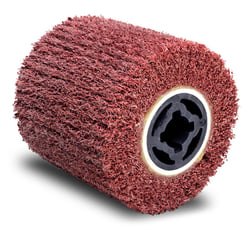
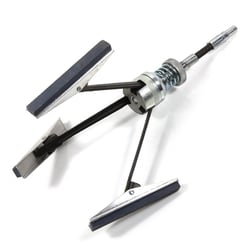
What Is Honing Equipment and Why Does It Matter?
Honing is one of the most critical steps in any engine build or rebuild. Whether you're refreshing a tired daily driver or assembling a high-performance race motor, the condition of your cylinder walls directly determines how well your piston rings seal, how much oil your engine consumes, and how long the entire assembly lasts. Honing equipment encompasses the tools, abrasives, and accessories used to precisely finish the internal surfaces of engine cylinders — creating the controlled texture that makes everything else work.
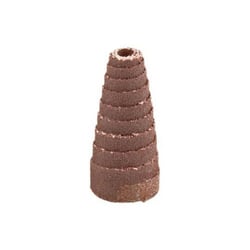
Engine cylinder hones are the workhorses of this category. The goal of cylinder honing is to develop a fine crosshatch pattern on the wall of the cylinder that helps retain oil and allows new piston rings to seat quickly and effectively. Honing stones — the abrasive elements at the heart of stone-style hone tools — come in a range of grits, from coarse cuts that remove glaze and imperfections down to fine finishing grits that leave a precise, controlled surface texture. Choosing the right grit for the job is just as important as choosing the right tool.
Two Main Types of Honing Tools
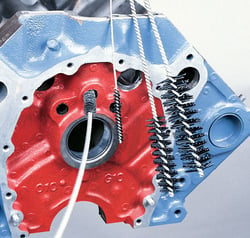
There are two primary styles of cylinder honing tools, each suited to different situations. Stone-style hones use strips of abrasive stones mounted on spring-loaded or adjustable arms and excel at controlled material removal and sizing. Brush-style (ball) hones — often called flex hones — feature abrasive globules attached to flexible filaments, making them ideal for deglazing, surface finishing, and creating a consistent crosshatch without altering bore geometry. Many engine builders keep both styles on hand, using stone hones after a bore job and flex hones for final finishing or quick deglazing between ring changes.
Top Brands in Honing Equipment
Brush Research Manufacturing (BRM) is the dominant name in this category and the inventor of the iconic Flex-Hone® tool. BRM's flexible honing tools are available for bore sizes ranging from 4mm to 36 inches and feature abrasive globules permanently laminated to flexible nylon filaments — a design that is self-centering, self-aligning, and self-compensating for wear, requiring no special training or setup.
Lisle Corporation offers stone-style engine cylinder hones built around a micrometer head for accurate feeding and a fast-action rack-and-pinion mechanism for rapid expansion to cylinder size — making them a trusted choice for professional mechanics who need reliable, repeatable results in the shop.
Sunnen is a well-established name in precision honing, with honing machines and mandrel-style tooling found in professional engine shops and tool rooms around the world. Sunnen's product line spans portable cylinder hone mandrels to dedicated honing machines, covering applications from cylinder bores to valve guides, connecting rods, and lifter bores.
Regis Manufacturing rounds out the selection with a wide assortment of honing stones and abrasive tooling, offering builders a broad range of grit options for both rough and finish honing passes.
Wiseco Pistons brings a unique perspective to honing — as a manufacturer of high-performance forged pistons, Wiseco provides cylinder preparation guidance and compatible honing products that ensure proper bore surface finish when installing their piston kits in automotive, motorcycle, and powersports engines.
Key Considerations When Shopping for Honing Equipment
- Bore diameter range: Make sure the hone you select is sized for the cylinders you're working on. Many adjustable hones cover a range of diameters, but confirm the spec before purchasing.
- Abrasive type and grit: The base material of the cylinder and the amount of material removal needed will determine both abrasive type (aluminum oxide, silicon carbide, diamond, etc.) and grit selection. Coarser grits remove more material; finer grits are used for final finishing.
- Stone vs. flex hone: Stone-style hones offer more aggressive material removal and precise sizing control. Flex hones are better suited for deglazing, light surface conditioning, and creating a consistent crosshatch pattern without changing bore dimensions.
- Lubrication: Honing oil is essential regardless of which tool style you choose. Proper lubrication reduces friction, keeps stones cool, flushes debris, and extends the life of your honing tools.