



Engine Cylinder Hone


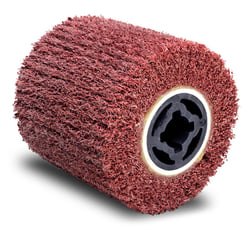
 Representative Photo, actual item may vary

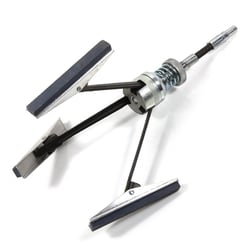
 Representative Photo, actual item may vary


What Is an Engine Cylinder Hone?
An engine cylinder hone is a specialized abrasive tool used to resurface the interior walls of an engine's cylinders. Whether you're rebuilding a worn motor, installing new piston rings, or simply deglazing cylinder walls to restore proper oil retention, honing is a critical step that directly affects engine performance and longevity. Without proper honing, new piston rings can't seat correctly, oil consumption increases, and compression suffers — defeating the entire purpose of a rebuild.
Cylinder hones work by creating a controlled surface texture on the bore walls. The goal isn't a perfectly smooth surface; it's a precisely patterned one. A crosshatch finish — the distinctive diagonal scratch pattern left by a hone — holds a thin film of oil against the cylinder wall, lubricating piston rings during each stroke and reducing metal-to-metal wear. This plateau surface also promotes rapid ring break-in, helping new rings seat faster and seal more effectively.
Types of Engine Cylinder Hones
There are two main styles of cylinder hones, each suited to different applications and levels of material removal:
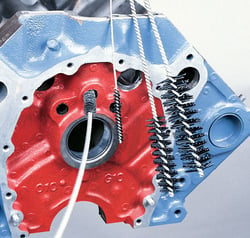
- Flexible (Ball) Hones: Also known as flex-hones or ball hones, these tools feature abrasive globules mounted on flexible filaments around a central stem. They are self-centering and self-aligning, making them ideal for deglazing, surface finishing, and light material removal. They excel at producing an oil-retaining crosshatch pattern without requiring complex setups.
- Rigid (Stone) Hones: These use three or more abrasive stones held in a rigid, expandable body. A micrometer or rack-and-pinion mechanism adjusts the stone diameter to match the bore. Stone hones are used for more aggressive material removal, correcting out-of-round conditions, and achieving tighter dimensional tolerances — tasks common in full engine rebuilds.
Key Considerations When Choosing a Cylinder Hone
- Bore diameter: Match the hone's range to your engine's cylinder size. Flexible hones are typically sized by bore diameter, while rigid hones use interchangeable racks and stone sets to cover a wider range.
- Abrasive grit: Coarser grits (60–120) remove more material and are used for initial honing; finer grits (180–320+) are used for finish work and deglazing. Silicon carbide is the most common abrasive for cast iron and steel bores.
- Application: Deglazing an old bore before a ring replacement requires only a light touch with a flex-hone; a full overbore rebuild after cylinder boring demands a rigid hone for precision sizing.
Top Engine Cylinder Hone Brands
Brush Research is the inventor of the Flex-Hone® tool and the dominant name in this category. Brush Research Manufacturing introduced the Flex-Hone in 1972 and pioneered the concept of plateau honing for automotive applications. Their FLEX-HONE® tools are self-centering, self-aligning, and self-compensating for wear, available in sizes from 4mm to 36 inches across multiple abrasive types including silicon carbide, aluminum oxide, and zirconia alumina.
Lisle is a trusted name in professional-grade rigid cylinder hones. Lisle's engine cylinder hone features a micrometer head for precise feeding and a fast-action rack-and-pinion system that quickly expands to cylinder size, while a bottom guard plate helps protect the crankshaft from accidental stone contact during use.
Performance Tool rounds out the category with value-focused options well-suited for the DIY mechanic tackling a straightforward deglaze or ring replacement without the need for high-production tooling.