



USB Connector
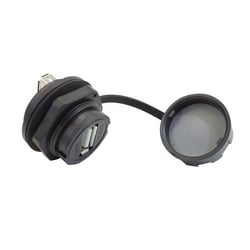

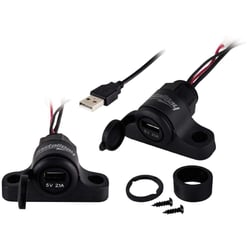

A USB connector is a small but important piece of the modern vehicle electronics puzzle. Whether you are outfitting a truck, camper, motorhome or boat, USB connectors give you a clean, dependable way to bring power and data to phones, tablets, navigation units, routers and other devices. Instead of running loose cables through windows or hatches, a properly installed USB connector creates a tidy, permanent port that is ready when you need it.
What Is a USB Connector?
In the context of Entertainment and Telematics, a USB connector is a jack or receptacle that mounts into a panel, inlet or data port and accepts a standard USB cable. These components are typically sold as individual modules, so you can build a port with exactly the connections you want. The two most common formats are USB-A, the familiar rectangular port found on chargers and many accessories, and USB-C, the newer reversible connector that supports higher power delivery and faster data transfer.
Why USB Connectors Matter
Mobile devices are now central to how we navigate, communicate and stay entertained on the road and on the water. A built-in USB connector keeps cabling organized, reduces wear on device ports, and makes it easier to share a single connection point among passengers or crew. For RV and marine owners in particular, a dedicated data port can consolidate power, internet and media connections in one weather-conscious location.
What to Consider When Shopping
- Connector type: Match USB-A or USB-C to the cables and devices you use most. USB-C is increasingly the standard for newer phones, tablets and compact internet hardware.
- Compatibility with your port system: Many connectors are designed as modular jacks that snap into a specific inlet or data port. Confirm that the connector fits the housing you already have or plan to install.
- Power and data needs: If you plan to run higher-draw devices, check the rated power of both the connector and the source feeding it.
- Materials and environment: Vehicles, campers and boats expose electronics to vibration, humidity and temperature swings, so durable, non-metallic housings and a secure fit are worth prioritizing.
- Installation location: Think about where the port will live and whether it will be protected from moisture and direct spray.
Featured Brand: SmartPlug
SmartPlug USB connectors are built to work with the brand's data port inlets, which are best known in the RV and marine world alongside its shore power connectors. The lineup includes a single-jack USB-A connector and a single-jack USB-C connector, each designed to let you build or expand a SmartPlug data port with the connection type you need. Both are made with a black, non-metallic housing, and the modular approach lets you mix and match jacks to suit your setup.
Planning Your Data Port
Start by listing the devices you want to connect, then choose the matching jack types. A USB-A jack is a practical choice for legacy accessories and standard charging cables, while a USB-C jack suits modern devices and compact networking gear. Because these connectors are modular, you can begin with one port and add more later as your electronics needs grow.
Browse the USB connector selection to find the right jack for your data port and keep your vehicle, RV or boat connected with a clean, professional-looking installation.