



Bosch Ignition Knock (Detonation) Sensor

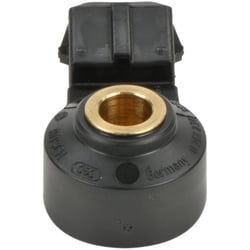


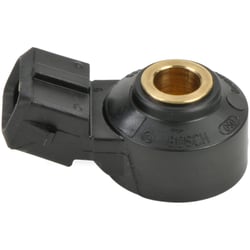



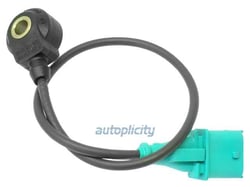
Bosch Ignition Knock (Detonation) Sensors: OE Precision for Engine Protection
Few threats to engine longevity are as insidious as detonation. "Knocking" occurs when the air-fuel mixture self-ignites prematurely, and sustained knocking causes damage primarily to the cylinder head gasket and cylinder head. That's where a high-quality knock sensor becomes indispensable — and few names carry more authority in this space than Bosch.
How Bosch Knock Sensors Work
The knock sensor is mounted directly on the crankcase and measures structure-borne noise using a piezoelectric measuring element. Due to the inertia of the seismic mass, the sensor moves in correlation with engine block vibration; this motion results in a compressive force which is converted into a voltage signal via a piezoceramic sensor element. If the sensor reports knocking, the ECU adjusts the ignition timing accordingly — retarding the spark just enough to eliminate destructive detonation before any damage can occur.
What Makes Bosch Stand Out
Bosch Engine Knock Sensors are highly accurate and sensitive, for superior engine knock detection to prevent potential damaging engine detonation from going undetected and causing severe engine damage. What truly distinguishes Bosch in this Ignition Knock (Detonation) Sensor category is their OE heritage: Bosch Original Equipment Engine Knock Sensors aren't just a quality replacement component — they're the same sensor your vehicle was equipped with when manufactured.
The robust design features a linear signal over a large frequency range, improved efficiency and prolonged engine life, and a wide temperature range that withstands extreme hot and cold operating conditions. Even at very high temperatures, the knock sensor operates safely and reliably, and is extremely robust against changes in temperature.
Real-World Performance Benefits
The advantages of a properly functioning Bosch knock sensor extend well beyond simply preventing engine damage. Bosch OE quality knock sensors improve combustion efficiency and reduce fuel consumption up to 9%, increase torque up to 5%, and enable the use of multiple quality fuels with various anti-knock properties. Reliable signal output triggers the knock-control function under different circumstances, including various fuel qualities.
Knowing When to Replace Your Knock Sensor
A failed or failing knock sensor may exhibit a Check Engine Light, misfire or hesitation, a burning exhaust smell, and audible engine knock. Common diagnostic trouble codes associated with ignition knock sensors include P0325 (Knock Sensor 1 Circuit Malfunction) and P0332 (Knock Sensor 2 Circuit Low Input). When these symptoms appear, replacing the sensor promptly with a Bosch unit restores the ECU's ability to protect and optimize your engine.
With Bosch's deep roots as a tier-one OEM supplier and a global leader in automotive sensor technology, their Ignition Knock (Detonation) Sensors represent one of the most straightforward, high-confidence replacement choices available — delivering factory-level precision at every throttle input.
