



Automatic Transmission Torque Converter
 Representative Photo, actual item may vary

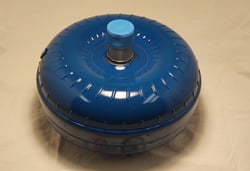
Alliance Torque Converters HO10 Automatic Transmission Torque Converter for Honda
 Representative Photo, actual item may vary

B&M 40477 Nitrous Holeshot 3800 RPM Torque Converter for Ford C-6

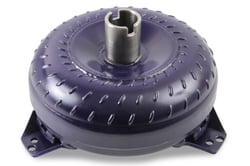
B&M 20485 High Performance Torque Converter for TH350 Transmission
Alliance Torque Converters DGM36-1 High-Performance Remanufactured Torque Converter
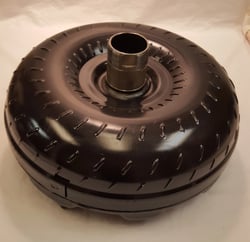
 Representative Photo, actual item may vary


Alliance Torque Converters TO22 Remanufactured Torque Converter 26 Spline Non Lock-Up
 Representative Photo, actual item may vary
Alliance Torque Converters F47 Torque Converter for Ford FMX Transmission
What Is an Automatic Transmission Torque Converter?
The torque converter is one of the most critical — and most overlooked — components in any vehicle equipped with an automatic transmission. In simple terms, it does for an automatic what a clutch does for a manual: it connects the engine to the drivetrain while allowing the engine to keep running when the vehicle comes to a stop.
Unlike a mechanical clutch, a torque converter achieves this through fluid dynamics. It is a type of fluid coupling located between the engine's flexplate and the transmission, using transmission fluid to transfer rotating power from the engine to the gear train. Inside the housing, three key rotating elements work in concert: the impeller (driven by the engine), the turbine (which drives the transmission input shaft), and the stator (which redirects fluid flow to multiply torque). At low speeds, this arrangement temporarily boosts torque output — giving the vehicle a stronger push off the line — while at higher speeds, most modern converters engage a lockup clutch to create a near-direct mechanical connection for improved efficiency.
A worn or failing torque converter can cause symptoms ranging from transmission slippage and shuddering to overheating and complete loss of drive. Because the converter is central to both transmission pressurization and gear engagement, addressing problems early is essential to preventing costly downstream damage.
Stall Speed: The Key Shopping Consideration
When shopping for a replacement or performance torque converter, stall speed is the single most important specification to understand. Stall speed is the RPM at which the converter begins transferring full power to the transmission. A stock converter is typically tuned for a low stall speed to suit everyday driving, while a performance engine with a high-lift camshaft or forced induction system benefits from a higher stall speed that keeps the engine in its power band during acceleration. Always match the stall speed to your engine's torque curve, camshaft profile, gear ratios, and intended use — street, towing, or track.
Top Brands in Automatic Transmission Torque Converters
Whether you need an OEM-quality replacement or a high-stall performance unit, the right brand makes a significant difference in durability and power delivery.
- ACC Performance — Founded in 1970, ACC Performance has built its reputation exclusively around torque converters, offering a complete range for racing, street, and heavy-duty applications. Their flagship Boss Hog line features fins that are welded rather than brazed for long-term durability, industrial Torrington-type bearings rated for thousands of pounds of torque, and aircraft-grade aluminum washers — all hand-built in the USA to ISO 9000 quality standards.
- Hays — A legendary name in driveline performance since 1958 and now part of Holley Performance, Hays offers their Twister series of torque converters spanning 3/4 Race and Full Race applications for GM, Ford, and Chrysler transmissions. Every Hays converter is hand-built, internally welded for longer service life, and built to a single application design to minimize rotating weight and maximize acceleration.
- ACDelco — As General Motors' factory parts brand, ACDelco torque converters are engineered to OEM specifications, making them a trusted choice for drivers seeking a direct-fit replacement that restores factory shift feel, fluid pressurization, and drivetrain reliability on GM vehicles.