



Fuel Pump Filter





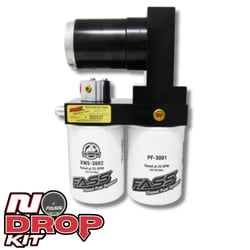



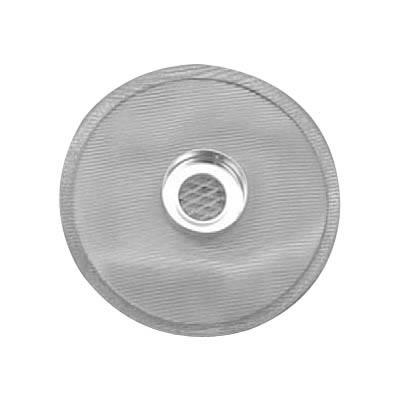 Representative Photo, actual item may vary
What Is a Fuel Pump Filter?
Fuel pump filters are a critical but often overlooked component in your vehicle's air and fuel delivery system. Positioned at or near the fuel pump, these filters serve as the first line of defense against the contaminants that naturally find their way into your fuel tank — including rust from steel tanks, dirt introduced during refueling, paint chips, and other microscopic debris.
The job of the fuel pump filter is straightforward but vital: only clean fuel should enter the pump. When a fuel pump filter becomes clogged or degraded, the pump is forced to work harder to draw fuel through the restriction. This extra strain can lead to premature pump failure, reduced fuel pressure, and ultimately, damage to downstream components like fuel injectors.
Why Fuel Pump Filters Matter
Modern fuel injection systems operate under extremely tight tolerances. Even microscopic particles that pass through a worn or insufficient filter can cause accelerated wear and costly repairs. A clogged or failed fuel pump filter can manifest as sluggish acceleration, rough idling, increased emissions, and — in severe cases — complete fuel system failure.
There are generally two types of fuel pump filters to understand. The in-tank filter (or strainer) mounts directly to the fuel pump pickup tube and captures larger particles before they enter the pump itself. The in-line filter sits along the fuel line between the tank and the engine, providing a secondary layer of protection for injectors and other precision components. Many modern vehicles integrate the filter into the fuel pump module assembly inside the tank, making filter condition especially important to address during any fuel pump service.
Choosing the Right Fuel Pump Filter
Key considerations when selecting a fuel pump filter include fit and compatibility with your specific year, make, and model, as well as the filter media material. Paper and synthetic fiber elements are common in OE-style replacements, while performance-oriented applications may call for stainless steel elements compatible with ethanol, methanol, race fuels, and other aggressive fuel blends. Micron rating matters too — a finer rating captures smaller particles, but too fine a rating on a pre-pump filter can starve the pump of fuel and cause cavitation damage.
Top Brands in Fuel Pump Filters
Two trusted names lead this category. DeatschWerks is widely respected in the performance community for their engineering-forward approach to fuel filtration. Their dual-stage magneto-mechanical fuel filters combine a 35mm neodymium magnet at the inlet to capture ferrous contaminants with virtually zero flow restriction, followed by a serviceable pleated 304-series stainless steel mechanical element. These stainless elements are compatible with all fuel types — from pump gas to E85, methanol, and race fuels — and are available in multiple pore sizes and lengths to suit a wide variety of builds.
Beck/Arnley is the go-to choice for foreign nameplate vehicle owners who need OE-quality fuel pump filters that match the form, fit, and function of the original part. With coverage spanning dozens of makes and thousands of models — including popular Asian and European nameplates — Beck/Arnley fuel pump filters are engineered to meet original equipment specifications and are manufactured with top-grade pleated or rolled filter materials designed specifically for underhood conditions.