



Engine Valve Spring




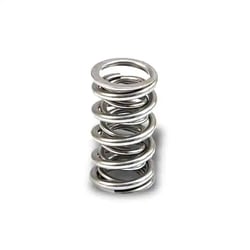
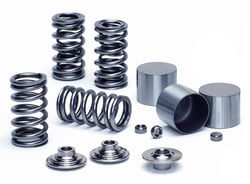
Supertech Performance SPRK-TS1015 Dual Valve Spring Kit with Retainers and Seats






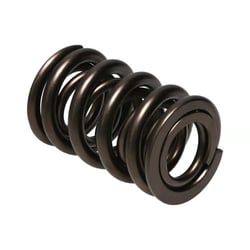
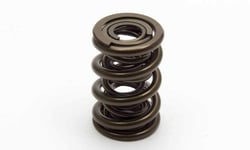
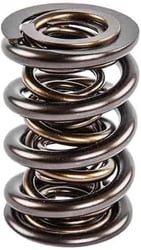
Manley 221450-16 NexTek Drag Race Triple Valve Springs 1.677" O.D. 770 lbs/in Set of 16
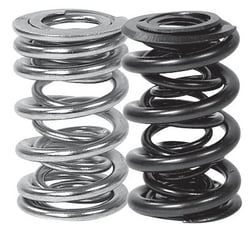
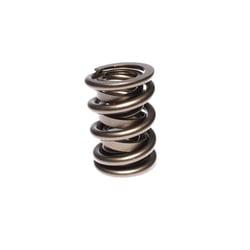

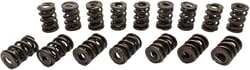
 Representative Photo, actual item may vary
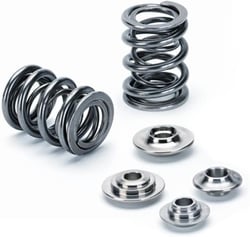
Supertech Performance SPRK-H100DR-ST Dual Valve Spring Kit Honda B-Series 16pc with Steel Retainers

Industrial Injection PDM-160-1484S-24 Performance Valve Spring Set 110 lbs Cummins 24V

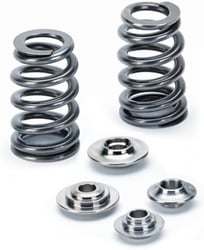
Supertech Performance SPRK-FE20BE Beehive Valve Spring Kit Ford EcoBoost 2.0L 2.3L

Manley 22430-16 Professional Dual Valve Springs 1.550 OD 484 lbs/in Set of 16
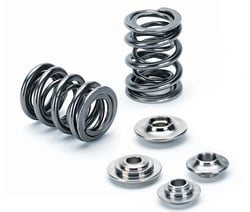

Supertech Performance SPR-H1021D-16 Dual Valve Spring Set - 13.2 lbs/mm Rate
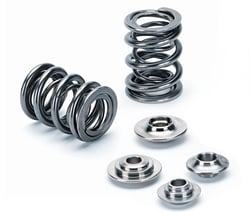

BD Diesel 1030060 Valve Spring Kit 60lb for 5.9L Cummins 12-Valve

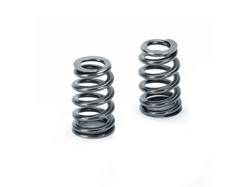
Supertech Performance SPR-MC56BE-16 Beehive Valve Spring Set - 16 Pack for Mini Cooper N14B16/N18B16
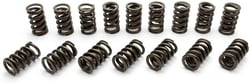
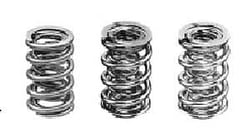
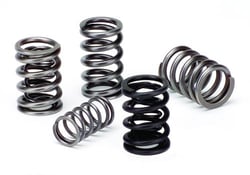
Supertech Performance SPR-H1002S High-Performance Valve Springs Chrome Silicon Vanadium
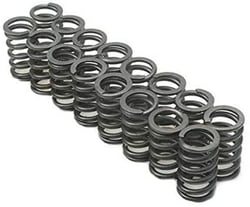
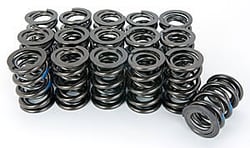
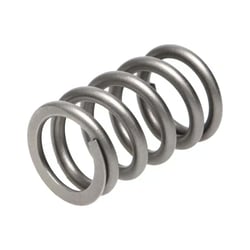
Manley 22165-16 Sport Compact Pro Series Valve Springs - Nissan SR20DE/SR20DET 16-Piece Set
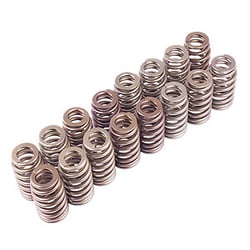
Ford Racing M6513-M50BR Valve Spring Kit for 5.0L Coyote Ti-VCT Engine

 Representative Photo, actual item may vary
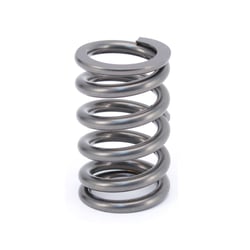
COMP Cams 26926-1 Dual Valve Springs 1.320" OD 1.835" Installed Height
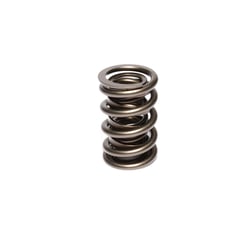
COMP Cams 928-1 Race Sportsman Dual Valve Spring 1.550" OD 1.880" Installed Height
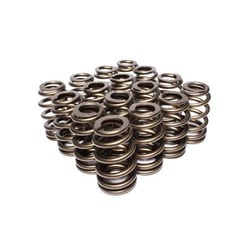
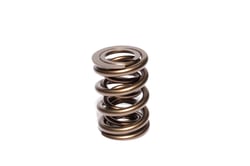


Manley 221449-16 NexTek Triple Valve Spring Set 1.677" OD 720 lb/in Spring Rate
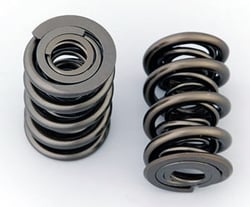
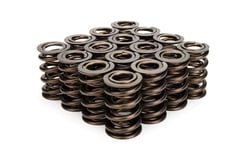

COMP Cams 26921-KIT Dual Valve Spring Kit for GM LS Engines
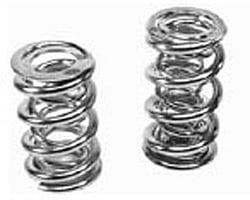
Manley 221445P-16 NexTek Polished Dual Valve Springs 1.620" O.D. - Set of 16

Supertech Performance SPR-H1000D High-Performance Valve Springs Chrome Silicon Vanadium Steel
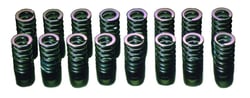

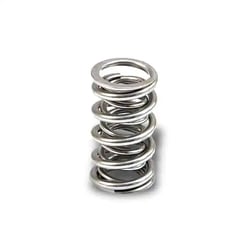
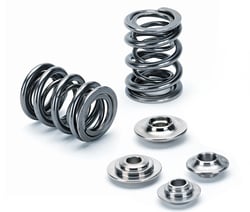
Supertech Performance SPR-H1022D Dual Valve Spring Chrome Silicon Vanadium

Supertech Performance SPR-TS1015 Dual Valve Spring Chrome Silicon Vanadium
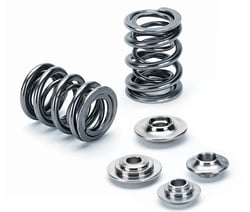
Supertech Performance SPR-H1020D Dual Valve Spring 30mm/21.80mm OD/ID
What Are Engine Valve Springs?
Engine valve springs are among the most hardworking—and most underappreciated—components in any internal combustion engine. Mounted around each valve stem and held in place by a retainer, a valve spring's primary job is deceptively simple: after the camshaft pushes a valve open to admit the air-fuel mixture or release exhaust gases, the spring snaps it firmly back into its seat. Without that constant, reliable return force, combustion timing collapses and the engine quickly follows.
The camshaft, pushrods, lifters, and rocker arms handle the work of opening the valves—but closing them is entirely the spring's responsibility. In a high-performance engine, a valve spring may be compressed and expanded more than 70,000 times per hour, accumulating billions of cycles over its service life. That kind of repetitive stress demands springs engineered from premium materials with precisely controlled tension and spring rates.
Why Valve Springs Matter for Performance
At the heart of valvetrain engineering is a critical balancing act. Springs must be strong enough to keep valves sealed during the compression and combustion strokes—maintaining cylinder pressure and preventing combustion gases from escaping—yet flexible enough to allow the cam to open them cleanly. Too little spring pressure leads to valve float, a dangerous condition where the spring can no longer keep pace with the rapidly rotating camshaft, allowing valves to bounce off their seats, robbers of compression, and in extreme cases causing catastrophic piston-to-valve contact. Too much pressure, on the other hand, accelerates wear on camshaft lobes, rocker arms, and valve stems while robbing horsepower through increased friction.
Upgrading to a performance camshaft almost always means upgrading the valve springs as well. Stock springs are calibrated for stock lift and duration figures; a high-lift aftermarket cam will physically exceed what a factory spring can safely handle, risking coil bind or loss of valve control at high RPM. Selecting the right spring means matching seat pressure, open pressure, installed height, and spring rate to the specific camshaft profile and intended use—whether that's street driving, circle track racing, or all-out drag competition.
Types of Valve Springs
- Single Coil Springs: The classic choice for mild street and stock-replacement applications.
- Dual Springs: Two concentric springs per valve, offering added stability at high RPM and a built-in safety net if one spring fails—popular in performance engines with heavier valvetrains.
- Beehive Springs: A tapered conical design that reduces reciprocating mass and raises the natural frequency of the spring, offering excellent float resistance with reduced weight.
- Conical Springs: Characterized by their harmonic stability and reduced mass, these are favored in applications where controlling resonance is critical.
Top Engine Valve Spring Brands
When it comes to performance valve springs, few names carry more weight than Isky Racing Cams. With a heritage stretching back over 75 years, Isky actually pioneered valve spring technology for the racing industry—introducing the first Vasco Jet 1000 valve springs and the first valve spring assemblies purpose-built for competition. Their current lineup ranges from springs suited for NHRA Stock Eliminator classes all the way to extreme-pressure units rated above 1,100 lbs of open pressure for blown alcohol and Top Fuel applications.
Howards Cams is a long-respected American valvetrain supplier offering valve springs matched to their camshaft grinds, making them a natural choice for builders who want a coordinated, cam-manufacturer-recommended spring package for classic American V8 platforms.
For V-twin and motorcycle engine builders, S&S Cycle brings decades of purpose-built powertrain expertise. Their valve springs are engineered specifically for the high-stress demands of performance big-twin applications, ensuring reliable valvetrain control in builds that push well beyond stock power levels.
Brian Crower brings a sport-compact and import performance focus to the category. Their valve springs, produced in collaboration with PAC Racing, are wound from high-grade chrome silicon alloy with proprietary processing for consistent pressures—designed specifically for the high-RPM environments of turbocharged and naturally aspirated import builds.
Rounding out the lineup, Crower has been a trusted name in engine components since the early days of hot rodding. Crower valve springs are engineered to work in concert with their camshaft profiles, ensuring the correct installed height, seat pressure, and open pressure for a full spectrum of racing and street-performance builds.
Choosing the Right Valve Spring
The most important factor in selecting a valve spring is matching it to the camshaft it will work with. Key specs to evaluate include seat pressure (force at closed position), open pressure (force at maximum lift), installed height, spring rate, and coil bind clearance. When in doubt, consult the cam manufacturer's recommendations—matching spring to cam is as important as choosing either component individually.