



Engine Push Rod
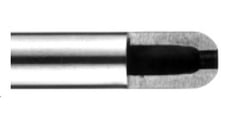


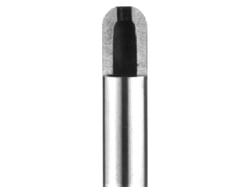


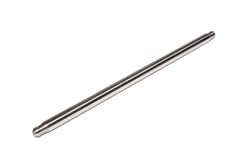


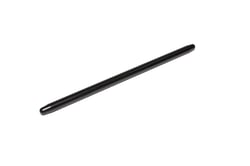
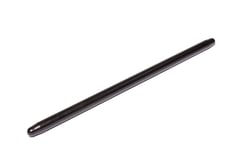
COMP Cams 7983-1 Hi-Tech Pushrod Length Wall Diameter Engine Push Rod - 8.000 080 3/8
 Representative Photo, actual item may vary
COMP Cams 896805-1 XD-A Adjustable Chromoly Pushrod 7.320-7.552 In.
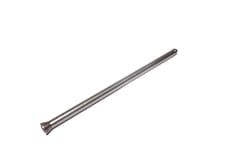


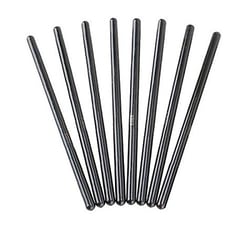
COMP Cams 7422-16 Magnum Pushrods 16pc High-Performance Engine Valve Train

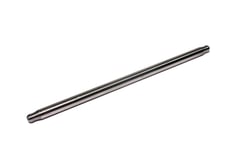
COMP Cams 8477-1 Hi-Tech One-Piece Pushrod Length Wall Diameter Engine Push Rod - 8.050 135 3/8
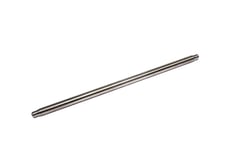
COMP Cams 8470-1 Hi-Tech One-Piece Pushrod Length Wall Diameter Engine Push Rod - 9.350 135 3/8

COMP Cams 7923-1 Hi-Tech Pushrod Length Wall Diameter Engine Push Rod - 9.300 080 3/8
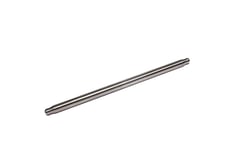
COMP Cams 8473-1 Hi-Tech One-Piece Pushrod Length Wall Diameter Engine Push Rod - 7.900 135 3/8
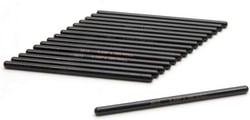
COMP Cams 8469-1 Hi-Tech One-Piece Pushrod Length Wall Diameter Engine Push Rod - 9.250 135 3/8
COMP Cams 8461-1 Hi-Tech One-Piece Pushrod Length Wall Diameter Engine Push Rod - 8.280 135 3/8
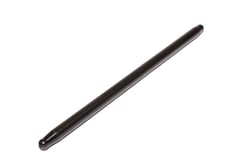
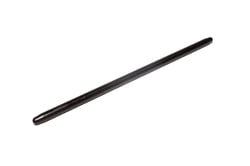
COMP Cams 8707-1 Hi-Tech Pushrod Length Wall Diameter Engine Push Rod - 10.100 080 3/8
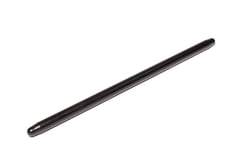
COMP Cams 7951-1 Hi-Tech Pushrod Length Wall Diameter Engine Push Rod - 8.680 080 3/8
COMP Cams 7990-1 Hi-Tech Pushrod Length Wall Diameter Engine Push Rod - 8.300 080 3/8
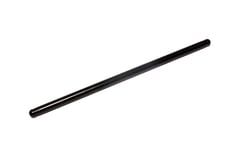
COMP Cams 8419-1 Hi-Tech Pushrod Length Wall Diameter Engine Push Rod - 8.200 105 5/16
Manley 25770-8 Chrome Moly Pushrod Diameter Length Engine Push Rod - 3/8 9.350

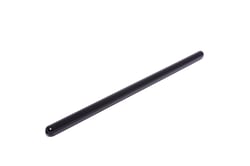
COMP Cams 7938-1 Hi-Tech Pushrod Length Wall Diameter Engine Push Rod - 7.100 080 5/16
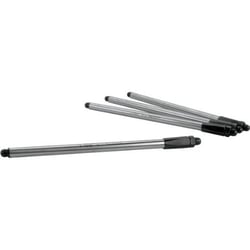
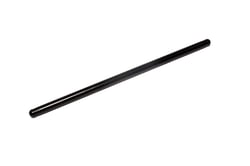
COMP Cams 8402-1 Hi-Tech Pushrod Length Wall Diameter Engine Push Rod - 7.100 105 5/16
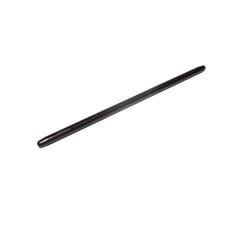
COMP Cams 8709-1 Hi-Tech Pushrod Length Wall Diameter Engine Push Rod - 10.200 080 3/8
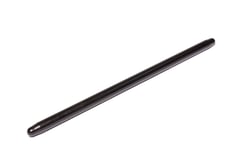
COMP Cams 8700-1 Hi-Tech Pushrod Length Wall Diameter Engine Push Rod - 8.325 080 3/8
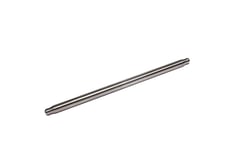
COMP Cams 8475-1 Hi-Tech One-Piece Pushrod Length Wall Diameter Engine Push Rod - 8.000 135 3/8
COMP Cams 8474-1 Hi-Tech One-Piece Pushrod Length Wall Diameter Engine Push Rod - 7.950 135 3/8
COMP Cams 7933-1 Hi-Tech Pushrod Length Wall Diameter Engine Push Rod - 6.900 080 5/16
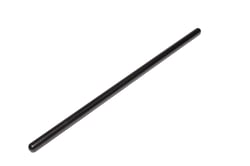
COMP Cams 7783-1 Hi-Tech Pushrod Length Wall Diameter Engine Push Rod - 9.000 080 5/16
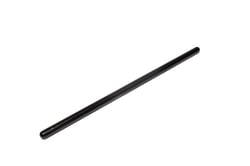
COMP Cams 7773-1 Hi-Tech Pushrod Length Wall Diameter Engine Push Rod - 8.275 080 5/16
COMP Cams 7775-1 Hi-Tech Pushrod Length Wall Diameter Engine Push Rod - 8.650 080 5/16

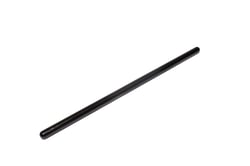
COMP Cams 7973-1 Hi-Tech Pushrod Length Wall Diameter Engine Push Rod - 8.350 080 5/16
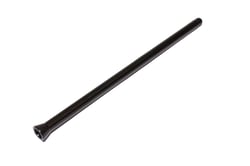
COMP Cams 7692-1 Magnum Push Rod 7.850" Length .080" Wall Chromoly
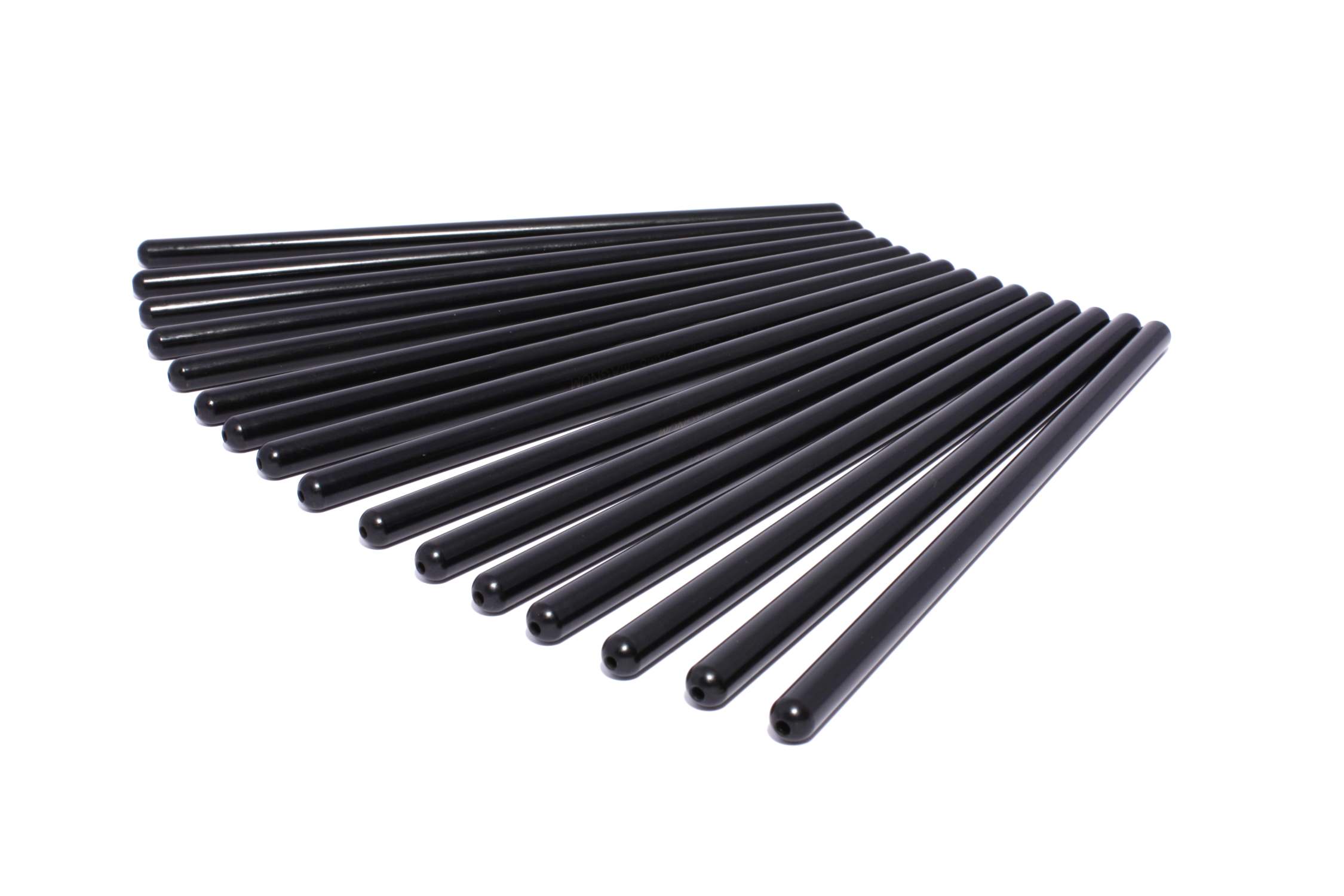 Representative Photo, actual item may vary
What Is an Engine Push Rod and Why Does It Matter?
Engine push rods are a critical link in the valve train of overhead valve (OHV) engines. Engine push rods are long, slender metal rods that transfer motion from the camshaft — located in the engine block — to the rocker arms, which in turn open and close the intake and exhaust valves in the cylinder head. Without a properly functioning push rod, this chain of motion breaks down entirely, compromising combustion efficiency and engine output.
How Push Rods Work in an OHV Engine
In an overhead valve engine, the camshaft sits low in the engine block. As its lobes rotate, they lift the valve lifters, which push the rods upward. The rods then apply pressure to the underside of the rocker arms, causing them to pivot and compress the valve springs — opening the valves at precisely timed intervals to admit the air-fuel mixture or release exhaust gases. When the cam lobe returns to its base position, the valve spring relaxes and closes the valve, resetting the entire cycle.
Some push rods are hollow, serving a dual purpose: beyond transferring mechanical motion, they act as oil passages that carry lubricant from the lifters up to the rocker arms. This internal oiling capability reduces wear on both the push rod tips and the rocker arm contact surfaces — a detail that matters significantly over hundreds of thousands of engine cycles.
What to Look for When Buying Replacement Push Rods
Push rod selection isn't one-size-fits-all. Key factors to consider include:
- Length and diameter: Incorrect length can throw off valve lash and timing. Always match push rod dimensions to your specific engine's specifications.
- Material: Push rods are commonly made from chromoly steel, hardened steel, or titanium. Chromoly steel offers an excellent balance of strength and weight for both stock and performance applications.
- Wall thickness: Thicker-walled push rods resist bending under high valve spring pressures, which is especially important in modified or high-performance engines.
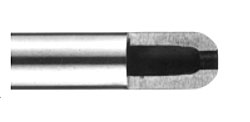
- End type: Push rod ends come in ball, cup, or radius configurations — match the end style to your engine's lifters and rocker arms.
Worn or bent push rods typically announce themselves through persistent engine ticking or misfires. Because push rods endure thousands of cycles per minute under significant load, even minor bending or wear at the tips can cascade into poor valve timing, power loss, and potential engine damage if left unaddressed.
Push Rods Across Engine Types: Automotive, Small Engine & More
While OHV push rod engines are historically associated with classic American V8s — from the legendary Chrysler Hemi to the long-running Chevrolet small-block — the push rod design remains equally vital in small engines powering outdoor power equipment, motorcycles, and marine applications. Lawn mowers, generators, and utility engines rely on the same fundamental OHV valve train architecture, making push rod availability and quality just as important in these segments.
Top Push Rod Brands
Briggs & Stratton is one of the most recognized names in small engine manufacturing, and their push rods are engineered as direct-fit replacements for their own extensive line of OHV engines — the same engines found in millions of lawn mowers, pressure washers, and outdoor power tools. Choosing a genuine Briggs & Stratton push rod ensures proper length, end geometry, and material spec for their specific engine families.
Melling is a long-established supplier of engine components, widely respected in the automotive aftermarket for producing precision engine parts that meet or exceed OEM tolerances. Their push rods are a trusted choice for professionals rebuilding automotive OHV engines and looking for reliable, consistent replacement parts.
Kawasaki brings the same engineering discipline found in their motorcycles and power sports equipment to their small engine product line. Kawasaki push rods are purpose-built for their OHV engines, delivering the precise fit needed to maintain proper valve timing in demanding outdoor power equipment applications.