



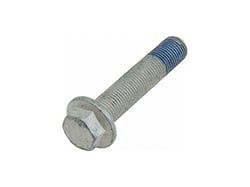
Clutch Flywheel Bolt
 Representative Photo, actual item may vary

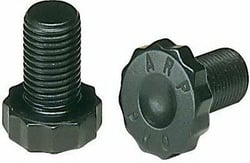
ARP 1472802 Flywheel Bolts for Pre-2004 Dodge Cummins 5.9L Diesel
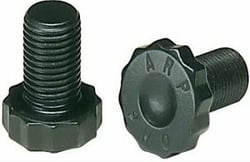
ARP 1072801 Pro Series Flywheel Bolts M12 x 1.25 Mitsubishi 4G63
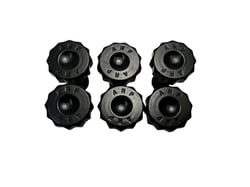

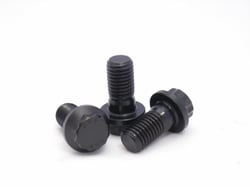
McLeod 1540 Bolt Pak 7/16 X 20. Gm, Ford, Mopar Crank Bolts, Set Of 6

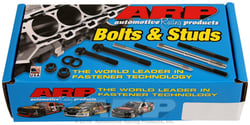
 Representative Photo, actual item may vary



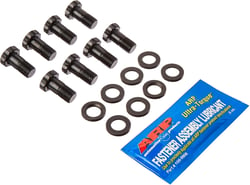
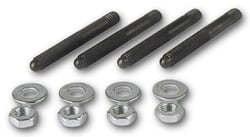

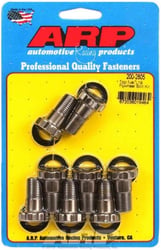
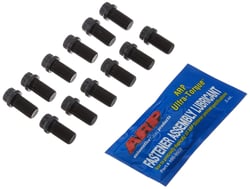
ARP 291-2801 Pro Series Flywheel Bolt Kit Pontiac Iron Duke 4-Cylinder


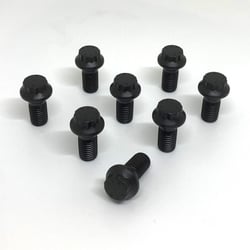

 Representative Photo, actual item may vary

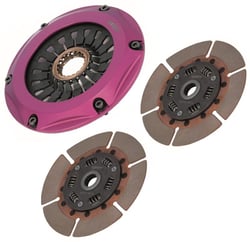
Exedy BF07 Flywheel Bolt Set for Hyper Single and Multi Clutch Kits



What Are Clutch Flywheel Bolts?
Clutch flywheel bolts are the critical fasteners that secure the flywheel to the rear flange of the engine's crankshaft. In a manual transmission vehicle, the flywheel serves as the anchor point for the clutch assembly, transferring rotational force from the engine to the drivetrain. Without properly torqued, high-integrity flywheel bolts holding everything in place, the entire clutch system is at risk — making these small but mighty fasteners one of the most safety-critical components in a manual transmission setup.
Why Flywheel Bolts Need to Be Replaced
Flywheel bolts are torque-to-yield fasteners on many applications, meaning they are engineered to stretch slightly when torqued to specification — and that stretching is a one-way process. Over time and through multiple clutch service intervals, flywheel bolts can fatigue, stretch beyond their design limits, or become stripped. A fastener that has been compromised in this way can no longer maintain the proper clamping force, which may allow the flywheel to shift or, in severe cases, come loose entirely. Best practice among professional mechanics and performance builders is to always replace flywheel bolts any time the flywheel is removed — never reuse old hardware.
What to Look for When Shopping Clutch Flywheel Bolts
- Thread size and length: Flywheel bolt dimensions vary significantly between engine families. Always confirm the correct thread pitch, diameter, and shank length for your specific engine.
- Material grade: OEM-spec steel is the standard for street applications, while higher-strength alloy bolts may be appropriate for high-performance or high-revving engines.
- Thread locker: Many quality flywheel bolt kits come with pre-applied thread locker or include it separately. This is essential to prevent loosening under vibration.
- Quantity: Bolt count varies by engine — some flywheels use six bolts, others use eight. Confirm what your application requires before ordering.
- OEM vs. performance spec: For most street drivers, an OEM-equivalent replacement is ideal. Builders chasing high horsepower numbers may want to investigate upgraded fastener options.
Top Brands for Clutch Flywheel Bolts
Ford Racing is a go-to source for flywheel bolts on Ford and Mustang platforms. Their kits are engineered to factory specifications for engines like the 4.6L, 5.0L Coyote, and 5.4L modular, making them a trusted direct-replacement option that installs with confidence right out of the box.
ATP (Automatic Transmission Parts) is a well-regarded supplier of transmission-related hardware with broad vehicle coverage. ATP flywheel bolts are known for providing a reliable OEM-quality replacement across a wide range of domestic makes and models, including Ford trucks and cars.
Genuine parts represent OEM-sourced flywheel bolts straight from the vehicle manufacturer. When an exact factory specification is non-negotiable — particularly for newer vehicles still under warranty or those requiring dealer-level parts standards — Genuine hardware is the definitive choice.
OEM flywheel bolts offer original-equipment quality for a variety of applications. With multiple products available, this option is ideal for shoppers who need a reliable, application-specific match at a straightforward price point.
Part of a Bigger Clutch and Flywheel Job?
Flywheel bolts are just one piece of a complete clutch flywheel bolt service. If you're already pulling the transmission and replacing the clutch, it makes sense to inspect and refresh all related flywheel hardware at the same time. A complete job done right the first time saves you from revisiting the same labor twice.