



Clutch Flywheel
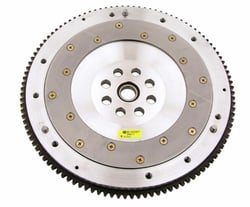

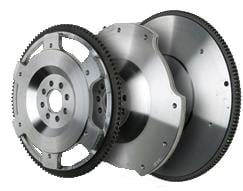
Spec Clutch SF03A Tuned Billet Aluminum Flywheel SFI Certified - 1.1

Spec Clutch SF50A-9 Billet Aluminum Flywheel SFI Certified - 9-Bolt
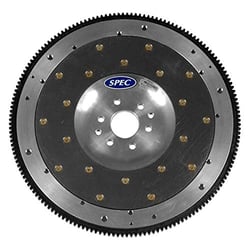
Spec Clutch SN50A-2 Aircraft-Grade Aluminum Flywheel SFI Certified

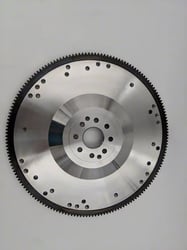
Spec Clutch SF50S-9 Billet Steel Flywheel SFI Certified - 1.1 9-Bolt 164-Tooth
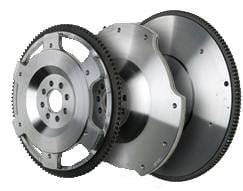
Spec Clutch SC05S High-Carbon Billet Steel Flywheel SFI Certified
Spec Clutch SC55S Billet Steel Flywheel SFI Certified Single Mass
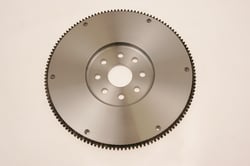
McLeod 463222 Steel Flywheel Ford Big Block 429-460 176 Tooth 0 Balance

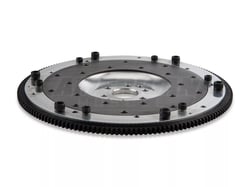
Spec Clutch SF64A Billet Aluminum Flywheel SFI Certified - 6-Bolt 1.1

Spec Clutch SA51A Aluminum Flywheel SFI-Certified Billet Performance



Spec Clutch SN42S Billet Steel Flywheel SFI-Certified High Performance
Spec Clutch SA86S Steel Flywheel SFI-Certified High Carbon Billet
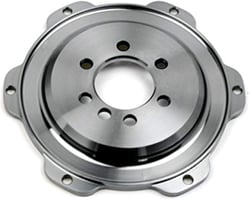


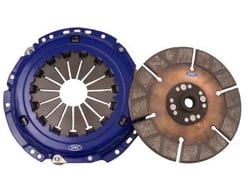
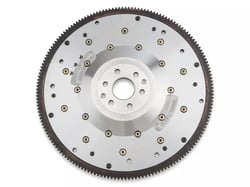
Spec Clutch SF64S Billet Steel Flywheel SFI Certified - 1.1 164-Tooth 6-Bolt
Spec Clutch SH46A Aluminum Flywheel SFI Certified Billet Performance


Fidanza 110221 Aluminum Performance Flywheel Lightweight with Replaceable Friction Plate


Quarter Master 509134B Flywheel 91 Tooth Bert/Brinn Late Model Chevy 1-Piece Aluminum

What Is a Clutch Flywheel and Why Does It Matter?
The clutch flywheel is one of the most fundamental components in any manual transmission drivetrain. Bolted directly to the crankshaft, the flywheel serves as the engine's energy reservoir and the primary interface between the engine and the clutch assembly. In a manual transmission vehicle, the clutch disc is pressed against the flywheel's precisely machined surface, allowing engine power to be transferred to — or disconnected from — the transmission during gear changes.
Beyond its role in clutch engagement, the flywheel's rotational mass acts as a stabilizer. Its inertia smooths out the uneven power pulses produced during combustion cycles, delivering a steadier, more consistent power flow to the drivetrain. Without it, engines would be prone to stalling, rough idling, and harsh power delivery. The flywheel also carries the ring gear teeth that engage the starter motor, making it a critical part of the engine-starting process.
Types of Clutch Flywheels
Understanding the different flywheel types helps you choose the right part for your application:
- Single-Mass Flywheels (SMF): The traditional design — a single solid disc machined flat on the clutch-facing surface. Durable, resurfaceable (when material thickness allows), and well-suited to performance builds.
- Dual-Mass Flywheels (DMF): Found on many modern diesel and high-torque petrol engines, the DMF consists of two independent flywheel masses connected by internal springs. These springs dampen torsional vibrations and torque spikes before they can reach the gearbox — reducing gear rattle and protecting transmission components. Dual-mass flywheels cannot be resurfaced and are typically replaced as a unit.
- Billet Steel Flywheels: Machined from solid alloy steel billet, these offer exceptional strength for high-performance street and racing use. Their added mass improves low-RPM torque and launch behavior.
- Aluminum Flywheels: Lighter than steel, aluminum flywheels reduce rotational inertia, enabling faster engine revving. They are commonly used in road racing and forced-induction drag applications where rapid RPM changes are a priority.
When to Replace Your Flywheel
Many technicians recommend inspecting — and often replacing — the flywheel whenever a clutch job is performed. Common warning signs include clutch shudder on engagement, vibrations through the drivetrain, or visible heat spots and scoring on the flywheel face. Because accessing the flywheel requires transmission removal, replacing it alongside a worn clutch is generally considered cost-effective preventive maintenance.
Top Clutch Flywheel Brands
LuK is the category's leading brand and, for many enthusiasts and professional shops, the default choice for OEM-quality replacement flywheels. Part of the Schaeffler Technologies group, LuK is widely recognized as the largest OE clutch supplier to the global automotive industry — with its technology found in roughly one in four vehicles worldwide. Their flywheel lineup includes both conventional single-mass units, dynamically balanced to OEM specifications, and dual-mass flywheels engineered to match the noise, vibration, and harshness (NVH) characteristics of the original equipment.
For performance builders and enthusiasts pushing beyond factory power levels, McLeod is a go-to name. McLeod offers steel, aluminum, nodular iron, and chromoly flywheel options across a broad range of performance applications. Their steel flywheels are CNC machined from billet alloy steel with hardened ring gears, and the lineup includes SFI-certified units suitable for track and strip use. Whether you're building a street-driven muscle car or a dedicated drag racer, McLeod has flywheel configurations tuned for the job.
Sachs (part of the ZF Group) is another OEM-pedigree brand trusted by European vehicle specialists and general repair shops alike. Like LuK, Sachs supplies flywheel and clutch components directly to vehicle manufacturers, making their replacement parts a natural fit for drivers seeking factory-equivalent performance and fit on European and domestic applications.
Pioneer Automotive rounds out the category with a broad catalog of flywheel replacements covering a wide range of domestic and import vehicles. Pioneer is a practical choice for stock rebuilds and everyday repair work, offering solid coverage across many makes and model years.
Choosing the Right Clutch Flywheel
When shopping for a clutch flywheel, always confirm compatibility with your specific engine's balance type — internally or externally balanced engines require matched flywheels, and installing the wrong type can introduce significant vibration. For performance builds, consider whether the application calls for the momentum-preserving characteristics of steel or the rev-happy response of an aluminum unit. And when in doubt, replacing both the flywheel and clutch at the same time is almost always the smarter long-term decision.