



Engine Block


 Representative Photo, actual item may vary





 Representative Photo, actual item may vary
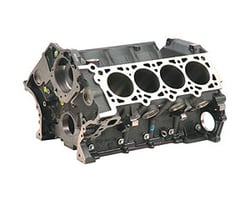
Ford Racing Aluminum Engine Block





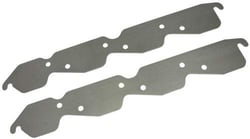
Skunk2 639-05-0605 VTEC Solenoid Block-Off Plate Engine Block


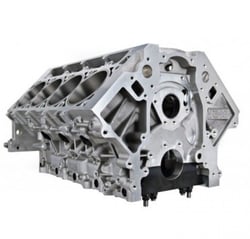
Fleece Performance FPE-LTR-SD10X Freedom Series LTR Standard Deck Wet Aluminum Block

 Representative Photo, actual item may vary


 Representative Photo, actual item may vary
 Representative Photo, actual item may vary

 Representative Photo, actual item may vary

Skunk2 639-05-0600 VTEC Solenoid Block-Off Plate Engine Block
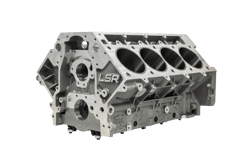
Fleece Performance FPE-LTR-FMJ-SD10X Freedom Series LTR Standard Deck Solid Aluminum Engine Block

Fleece Performance FPE-LSR-SD10X GM LSR Standard Deck Wet Aluminum Engine Block
Fleece Performance FPE-LSR-FMJ-SD10X Freedom Series LSR Standard Deck Solid Aluminum Engine Block
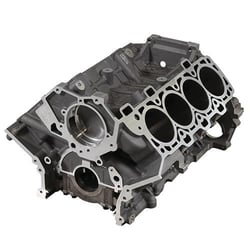


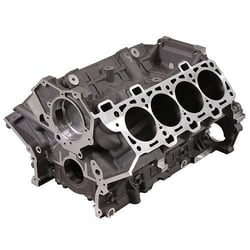
 Representative Photo, actual item may vary
 Representative Photo, actual item may vary
 Representative Photo, actual item may vary


Dart 31162211 SHP Cast Iron Small Block Chevy Engine Block 4.125" Bore 400 Mains

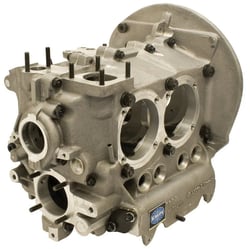
EMPI 98-0471-B Heavy Duty Aluminum Bubble Top Engine Case 85.5mm Bore 8mm Sand Seal


Ford Racing M-6010-SD73R 7.3L Gas Engine Race Block, Cast Iron, 107.2mm Bore
 Representative Photo, actual item may vary

Ford Racing M-6010-SD73 7.3L Godzilla Cast Iron Engine Block
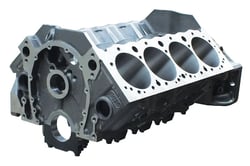


Dart 31612111 Iron Eagle Gen III Hemi Engine Block 9.250 Deck 3.927 Bore Non-VVT
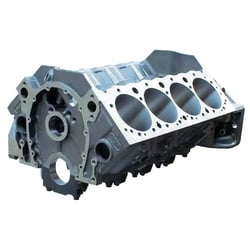
Dart 31181211 Little M Small Block Chevy Iron Engine Block 4.125 Bore 9.025 Deck

Dart 31181111 Little M Small Block Chevy Iron Engine Block 9.025 Deck 4.000 Bore

Dart 31223644 Big M Iron Big Block Chevy Engine Block 9.800 Deck 4.600 Bore

Dart 31182211 Little M Cast Iron Engine Block Small Block Chevy 9.025 Deck 4.125 Bore 400 Mains

Dart 31192211 Little M Small Block Chevy Cast Iron Engine Block 4.125 Bore 9.025 Deck 400 Main

Genuine Porsche 996-101-253-51 Engine Block Dowel Sleeve

What Is an Engine Block and Why Does It Matter?
The engine block is the backbone of every internal combustion engine. This large, precision-machined casting houses the cylinders, crankshaft, camshaft bores, and oil passages that make an engine function. Everything else — pistons, rods, heads, the entire valvetrain — is built around it. For a street driver, a stock block may serve perfectly well for years. But for builders chasing serious horsepower, sustained high-RPM operation, forced induction, or increased displacement, choosing the right aftermarket engine block is one of the most critical decisions in the entire build.
Stock production blocks are designed around economy and manufacturing efficiency. Their cylinder walls have limited overbore potential, and their structural rigidity is engineered for factory power levels — not the kinds of loads generated by superchargers, turbochargers, or nitrous. An aftermarket performance block, by contrast, is built from the ground up with thicker cylinder walls, reinforced main cap areas, superior alloys, and tighter machining tolerances to handle far greater stresses reliably.
Cast Iron vs. Aluminum: Choosing Your Foundation
One of the first choices in selecting a performance engine block is material. Cast iron blocks are heavier but offer excellent rigidity, easier machining, and proven durability under sustained high loads — they remain a favorite in drag racing and circle track applications. Aluminum blocks shed significant weight and improve weight distribution, making them popular in road racing, Pro Touring, and street/strip builds. Aluminum blocks are often paired with iron or steel cylinder sleeves to ensure bore durability under high boost and extreme heat.
Other key considerations include deck height (which determines maximum stroke), bore diameter and spacing, main cap bolt pattern, and whether the block uses a wet- or dry-sump oiling provision. Getting these specifications right for your intended application — whether it's a high-winding naturally aspirated build or a boosted big-cube monster — is fundamental to a successful engine project.
Top Engine Block Brands
Dart Machinery is widely regarded as the benchmark in aftermarket engine blocks. Founded in 1981, Dart has become the leader in aftermarket cylinder heads, intake manifolds, and engine blocks. Dart offers a wide selection of meticulously engineered engine blocks, including cast iron and aluminum options, crafted to handle maximum power reliably. Their lineup spans platforms including small-block and big-block Chevy, small-block Ford, LS, Gen III Hemi, and even the world's first-ever aftermarket cast-iron Toyota 2JZ engine block — the Iron Eagle 2JZ. Every single Dart casting is 100% made in the United States from start to finish.
GM Performance brings factory-backed engineering credibility to the performance block market. Their LSX-series blocks, for example, use six-bolt main caps with cross-bolting for enhanced bottom-end rigidity, reducing crank flex and improving bearing life under extreme loads. GM Performance crate engines are designed with standardized motor mount bosses and bellhousing patterns for broad compatibility across GM platforms, including trucks, muscle cars, and aftermarket chassis.
Darton Sleeves takes a different approach to block performance by engineering precision cylinder sleeves that dramatically improve the strength and bore capacity of existing blocks. Darton pioneered modular sleeve designs and specialty ductile iron material beginning with the manufacture of top fuel sleeves for Keith Black Racing Engines and Milodon Engineering in 1978. Their patented Modular Integrated Deck (MID) system uses a unique designed cylinder sleeve which, when siamesed and nested, creates a solid deck of sleeve flanges held in tension, reinforcing the upper deck area. Darton also incorporates their proprietary "Swirl Coolant Technology" to enhance water flow in and around the flange area.
Ford Racing offers engine blocks purpose-built for Ford platform enthusiasts, providing OEM-pedigree engineering with performance-spec upgrades suited for race and high-performance street builds on popular Ford engines.