



Ignition Knock (Detonation) Sensor
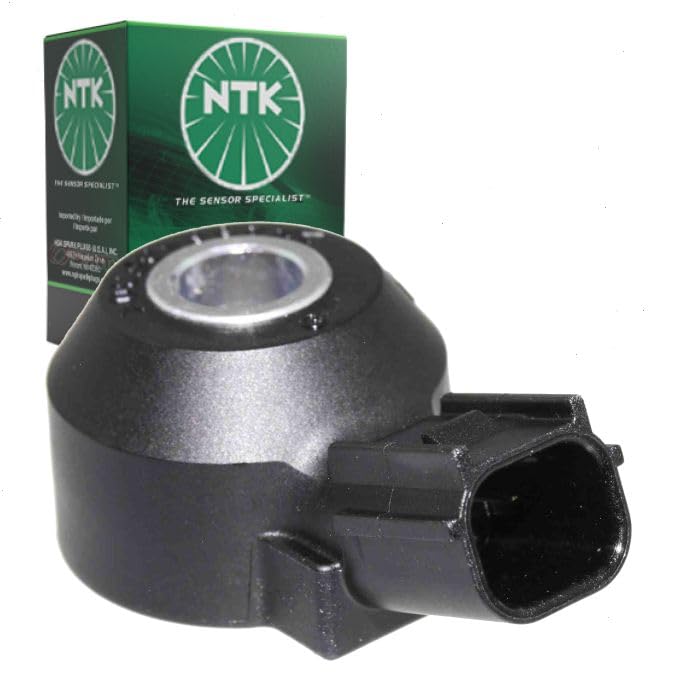 Representative Photo, actual item may vary

 Representative Photo, actual item may vary
 Representative Photo, actual item may vary
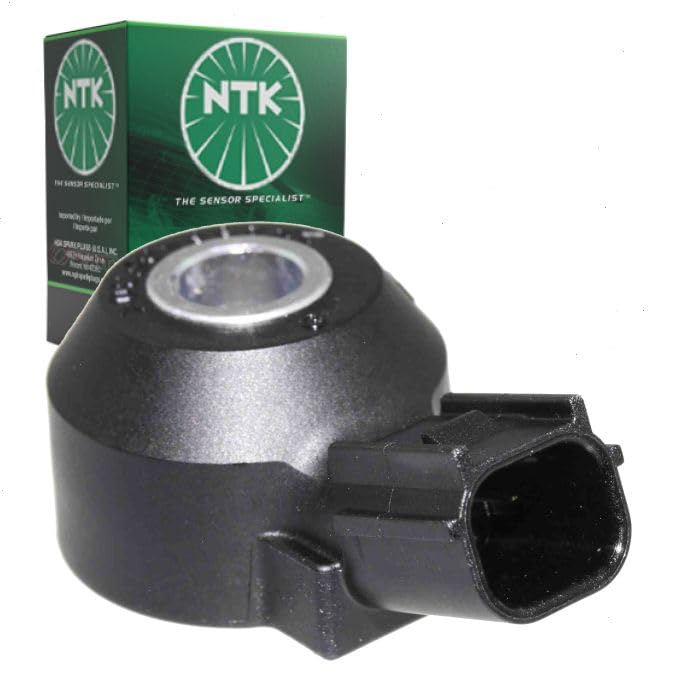 Representative Photo, actual item may vary

 Representative Photo, actual item may vary
 Representative Photo, actual item may vary
What Is an Ignition Knock (Detonation) Sensor?
Ignition knock sensors — also called detonation sensors — are small but critically important components in your engine's management system. These sensors act as a precision listening device mounted directly to the engine block or cylinder head, tuned to detect the specific vibrational frequencies produced by abnormal combustion events before they cause lasting damage.
To understand why they matter, it helps to understand engine knock itself. Engine knock, technically known as detonation, occurs when pockets of the air-fuel mixture ignite spontaneously rather than being ignited smoothly by the spark plug. When the two resulting flame fronts collide, they create a massive spike in cylinder pressure — producing the characteristic metallic pinging or rattling sound. Over time, repeated detonation can damage pistons, rings, cylinder walls, and head gaskets, leading to costly and potentially catastrophic engine failure.
How the Knock Sensor Works
The knock sensor is a piezoelectric device: it uses a ceramic or piezo element that converts mechanical stress (vibration) into a small AC voltage signal. When the engine develops the characteristic frequencies of knock, the sensor produces an electrical signal that the Engine Control Unit (ECU) monitors in real time. If the ECU detects knocking, it retards ignition timing and may adjust fuel trim or boost control to stop the detonation — all within milliseconds, before damage can occur.
This closed-loop feedback system isn't simply on or off. Modern ECUs continuously analyze knock sensor data alongside input from other sensors like MAP, MAF, and oxygen sensors, allowing the engine to operate right at the edge of peak efficiency without crossing into damaging territory. The result is better fuel economy, optimized power output, and reduced emissions — benefits that depend entirely on having an accurate, properly functioning knock sensor.
Signs of a Failing Knock Sensor
- Check Engine Light (typically codes P0325 or P0332)
- Audible pinging or knocking during acceleration
- Reduced engine power and sluggish throttle response
- Decreased fuel economy due to retarded or mismanaged ignition timing
- Increased exhaust emissions that could cause a failed smog test
What to Look for When Shopping
Knock sensors are application-specific parts — the correct mounting thread size, connector type, and piezoelectric sensitivity range must match your vehicle's engine precisely. Always verify fitment by year, make, model, and engine. Because knock sensor replacement on many vehicles requires removing the intake manifold, it pays to choose a quality replacement that will deliver long service life the first time.
Top Knock Sensor Brands
For OE-quality replacement knock sensors, Bosch is one of the most trusted names in the category. As one of the world's leading automotive sensor manufacturers and a supplier to vehicle OEMs globally, Bosch knock sensors feature a robust design with a linear signal output across a wide frequency range and are engineered to withstand extreme hot and cold operating conditions.
Owners of Japanese and other import vehicles will find strong options from Beck/Arnley, a brand with a long history focused specifically on foreign nameplate vehicles. Beck/Arnley knock sensors are designed to meet OE specifications for form, fit, and function, and are sourced through a global network of vetted suppliers — making them a reliable fit for Toyota, Honda, Subaru, and other import applications.
Rounding out the category, Four Seasons offers additional knock sensor options across a range of domestic and import applications, providing solid coverage for those seeking reliable OE-replacement sensors across a broad vehicle catalog.