



Radiator And A/C Condenser Assembly
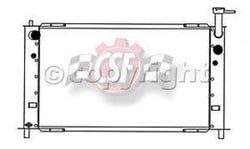

What Is a Radiator and A/C Condenser Assembly?
On many modern vehicles, the engine radiator and the air conditioning condenser are not just neighbors under the hood — they can be engineered as a single, integrated module known as a radiator and A/C condenser assembly. Understanding what each component does helps explain why this combined unit is such a critical part of your vehicle's overall thermal management system.
The radiator is responsible for dissipating heat from the engine coolant. As coolant circulates through the engine and absorbs combustion heat, it flows into the radiator where passing airflow carries that heat away, returning cooler fluid back to the engine. The A/C condenser, meanwhile, serves a separate but equally important role: it converts refrigerant from a hot, pressurized gas into a liquid by releasing heat to the outside air, a process essential for the cabin air conditioning system to function properly.
Because both components rely on front-end airflow and often share the same mounting brackets and cooling fan assembly, some manufacturers integrate them into a single bolt-in module. This design reduces overall part count, saves under-hood space, and simplifies installation — often making the repair a true drop-in replacement with no custom fabrication required.
Why It Matters for Your Vehicle
Both systems — engine cooling and cabin air conditioning — are heavily interdependent at the front of the vehicle. A failure in either component can compromise the other: damaged fins restrict airflow to both cores, while a non-functional cooling fan can cause the engine to run hot and the A/C to blow warm air simultaneously. When collision damage, corrosion, or age takes out one component, inspecting and replacing both as an integrated assembly often makes more practical sense than replacing them separately.
- Engine protection: A properly functioning radiator prevents overheating and engine damage under load or in stop-and-go traffic.
- A/C performance: The condenser must efficiently reject heat from the refrigerant for the air conditioning system to deliver cold air to the cabin.
- Simplified installation: An integrated assembly means fewer separate parts to source, align, and connect — cutting labor time considerably.
- OEM-style fitment: Quality assemblies are engineered to match original mounting points, line connections, and sensor positions.
What to Look for When Shopping
When replacing a radiator and A/C condenser assembly, confirm the fitment down to the year, make, model, engine size, and transmission type — these details can affect core design, port placement, and bracket configuration. Look for units constructed from quality aluminum or a combination of aluminum and plastic that mirrors the original equipment design. Also verify whether the unit includes an integrated receiver-drier, as some assemblies build the drier directly into the condenser, requiring a new drier sensor on installation.
Top Brands in Radiator & A/C Condenser Assemblies
CSF is one of the most respected names in automotive cooling. A fourth-generation, family-owned business, CSF has spent decades engineering cooling solutions for both the OEM replacement and performance aftermarket markets. Their radiator and A/C condenser assemblies are built to exacting standards and backed by a broad catalog of vehicle-specific fitments, making them a go-to choice for enthusiasts and everyday drivers alike.