



Engine Coolant Thermostat Housing O-Ring
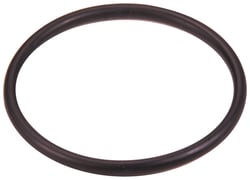

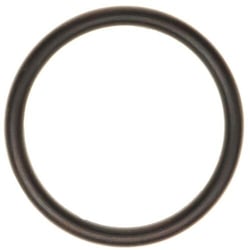
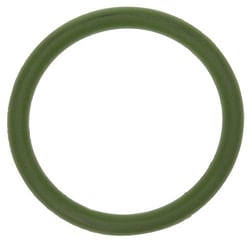
What Is an Engine Coolant Thermostat Housing O-Ring?
It's easy to overlook a small rubber ring buried deep in the engine bay — but the thermostat housing O-ring is one of those deceptively critical components that keeps your entire cooling system intact. This O-ring forms the primary seal between the thermostat housing and the engine block, preventing coolant from escaping at one of the cooling system's most thermally stressed connection points.
Engine coolant thermostat housing O-rings sit at the junction where the thermostat housing meets the engine, sealing the coolant path so pressurized coolant flows exactly where it should — through the engine and out to the radiator — rather than leaking onto hot engine surfaces. Without a functioning O-ring, even a hairline gap can allow coolant to seep past the housing, leading to loss of coolant pressure, erratic temperature regulation, and eventually serious engine damage.
Why This Seal Matters
The thermostat itself is a temperature-sensitive valve that controls coolant flow based on engine heat. It lives inside a housing that must remain perfectly sealed to maintain system pressure. A failed thermostat housing O-ring compromises that seal, and the consequences can escalate quickly. Coolant leaks around the housing are among the most common early symptoms, often appearing as steam, a sweet smell, or visible drips near the top of the engine. Left unaddressed, the loss of coolant can trigger engine overheating — and the downstream repair costs for warped cylinder heads or damaged head gaskets far outweigh the cost of a simple O-ring replacement.
Because rubber degrades under repeated heat cycling and exposure to coolant chemistry over time, O-rings in the thermostat housing are considered a wear item. Mechanics commonly recommend inspecting or replacing the O-ring any time the thermostat or housing is removed — it's a low-cost insurance policy against a future coolant leak. It's also worth noting that some engine designs use an O-ring in place of a flat gasket, and mixing the two sealing methods can actually cause leaks rather than prevent them, so always verify what your specific application calls for before installing.
What to Look for When Shopping
- Material quality: Look for O-rings made from heat-resistant rubber compounds capable of withstanding engine bay temperatures and prolonged coolant exposure.
- OE fitment: The O-ring must match the exact diameter and cross-section specified for your housing. Even small dimensional differences can result in an imperfect seal.
- Application coverage: Make sure the O-ring is confirmed for your specific make, model, engine, and model year — thermostat housing designs vary significantly across domestic, Asian, and European platforms.
- Packaging integrity: Sealed, individually packaged O-rings help ensure the part arrives undamaged and in usable condition.
Top Brands in Engine Coolant Thermostat Housing O-Rings
When it comes to sealing products for the cooling system, MAHLE stands out as a benchmark brand for both OEM and aftermarket applications. MAHLE's thermostat housing O-rings are engineered to meet or exceed original equipment specifications, utilizing OE-equivalent or better materials across their full gaskets and sealing lineup. Trusted by original equipment manufacturers and professional technicians worldwide, MAHLE covers domestic, Asian, and European applications — making them a dependable first choice regardless of the vehicle in your bay.