



HVAC Control Duct Hose




What Is an HVAC Control Duct Hose?
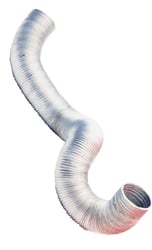
The HVAC control duct hose is a flexible conduit that sits at the heart of your vehicle's climate control system. HVAC control duct hoses channel heated or cooled air from the heater box or HVAC housing to specific destinations throughout the cabin — including floor vents, defrost ducts, and dashboard outlets. Without a properly sealed, intact duct hose, conditioned air never makes it where it needs to go.
These hoses also play a role in pre-heater or carburetor warm-up circuits found on older vehicles, where a short duct hose routes warm air from near the exhaust manifold to the air cleaner assembly, improving cold-start performance and reducing emissions during engine warm-up.
Why HVAC Control Duct Hoses Fail — and Why It Matters
Over time, the combination of heat cycles, engine vibration, and age causes duct hose material to crack, collapse, or detach from its connection points. When this happens, the consequences go beyond simple discomfort. Hot and cold spots develop inside the cabin, the defroster loses effectiveness (a real safety concern in winter), and the extra strain on the blower motor can accelerate wear on other HVAC components. A well-sealed duct hose also prevents outside dust, debris, and pollutants from bypassing the cabin air filter and entering the passenger space directly.
Replacing a failed or deteriorated control duct hose is considered an intermediate DIY repair. Most owners with basic automotive experience can complete the job in under two hours, though exact procedures vary significantly by vehicle make, model, and year — always consult your service manual for proper hose routing and connection details.
What to Look for When Buying a Replacement
- Exact-fit design: Aftermarket duct hoses engineered to match OEM dimensions install without trimming or adapters and seal properly at both connection points.
- Material quality: Look for hoses made from heat-resistant materials that can withstand the thermal environment near the firewall and heater box.
- Vehicle-specific application: Always verify fitment by year, make, model, and engine before ordering — duct hose routing can differ even within the same model generation.
- Inspect surrounding components: When replacing a duct hose, check the connection ports, retaining clips, and nearby ducts for cracks or wear that could cause new leaks.
Top Brands for HVAC Control Duct Hoses
A handful of trusted manufacturers stand out in this category. Crown Automotive is the go-to source for Jeep, Chrysler, and Dodge applications — the brand has been producing Jeep-specific replacement parts since 1963 and maintains one of the largest catalogs of hard-to-find and factory-discontinued components, making it invaluable for owners of classic CJ, Wrangler, and Cherokee models.
Four Seasons, a flagship brand of Standard Motor Products, brings its reputation as the largest aftermarket automotive climate control parts supplier in the industry to bear on duct hose applications. Their parts are engineered for OE fit, form, and function and cover a broad range of domestic and import vehicles.
Dorman brings its OE Solutions philosophy to HVAC control duct hoses, offering direct-replacement parts designed to match the original hose's fit and function. Dorman's duct hoses are built to address common failure modes like heat degradation and vibration damage, backed by more than a century of aftermarket engineering expertise.
Rounding out the category, Dayco is a globally recognized manufacturer of belts, hoses, and fluid transfer products. Their engineering focus on durability and thermal performance translates directly into reliable duct hose solutions for vehicles where climate control routing demands robust materials.