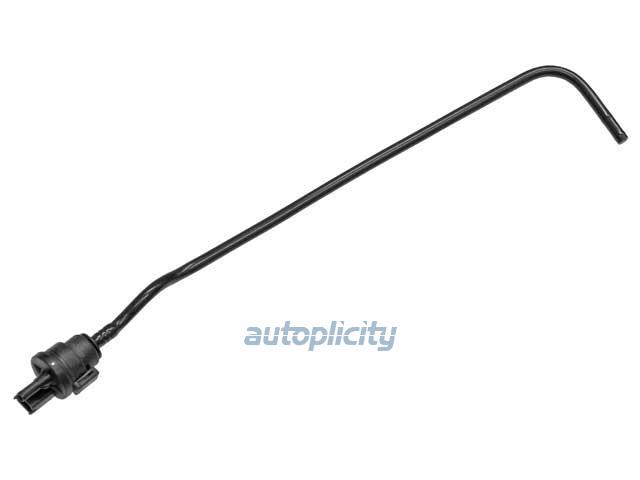
Vapor Canister Purge Valve
Genuine Mercedes 000-476-67-32 Vapor Canister Purge Valve
Genuine Mercedes 000 470 88 93 Engine Crankcase Vent Valve
Genuine Mercedes 000 470 87 93 EVAP Vapor Canister Purge Valve
Genuine Porsche 948-110-202-03 Vapor Canister Purge Valve with Hose
Genuine Porsche 996-605-203-01 Fuel Tank Vapor Vent Valve
Genuine Mercedes 000-470-71-93 Vapor Canister Purge Solenoid Valve
Genuine BMW 13-90-7-618-643 Vapor Canister Purge Solenoid Valve
Genuine Porsche 996-110-129-53 Evaporative Emissions Regeneration Valve
Genuine Porsche 996-110-129-06 Fuel Vapor Regeneration Valve
- 1
- 2
Understanding the Vapor Canister Purge Valve
The vapor canister purge valve is an electrically-operated solenoid that controls the passage of fuel vapors from the charcoal canister to the engine's intake manifold, ensuring these vapors are burned in the engine instead of escaping into the atmosphere. As a key component of the Evaporative Emission Control (EVAP) system, it keeps fuel vapors from leaking into the atmosphere by managing when and how stored vapors are released for combustion. This small but critical component plays an essential role in meeting emissions standards while contributing to overall vehicle performance.
In modern cars, the purge valve is controlled by the engine computer; when the engine is off, the purge valve remains closed, but when the engine is running and fully warmed up, the computer pulses the valve open to allow fuel vapors to be purged from the charcoal canister. This precise timing ensures optimal combustion efficiency and prevents performance issues that can occur when vapors are released at inappropriate times.
Why Your Purge Valve Matters
Proper purge valve function is essential for maintaining optimal engine performance, fuel efficiency, and environmental compliance, with its importance in managing emissions and improving air quality continuing to grow as automotive technology evolves. When a purge valve fails, the Check Engine light typically illuminates with codes starting with P044X, including P0441 and P0446, often accompanied by multiple codes referencing 'purge valve function.'
The most common problem occurs when the valve sticks or does not close fully, which can cause difficulty starting right after refueling—for the first few seconds, the engine may run rough and stumble. A stuck-open purge valve creates a vacuum leak that adversely impacts the engine, allowing unpredictable amounts of air that alter the air-to-fuel ratio, leading to rough idling and difficult starts. Regular testing and timely replacement of your purge valve prevents these frustrating symptoms and helps your vehicle pass emissions inspections.
Choosing the Right Brand
When shopping for a replacement purge valve, brand selection matters significantly. ACDelco stands out as a trusted name in emission control components. ACDelco's original equipment vapor canister purge valves are manufactured to fit GM vehicles, providing the same performance, durability, and service life expected from General Motors. ACDelco has built a reputation in the automotive industry for quality and craftsmanship, manufacturing vapor canister purge valves for virtually every automobile on the road today.
For European vehicle owners, Genuine Mercedes offers factory-engineered purge valves designed specifically for Mercedes-Benz models, ensuring perfect integration with sophisticated EVAP systems. Standard Motor Products provides another excellent option across multiple vehicle makes. Standard offers a line of canister purge solenoids and valves for emission system repairs, using high-grade industrial plastic that withstands low and high engine temperatures, with valves designed and tested to ensure reliable operation even in extreme conditions.
Installation and Maintenance Considerations
The purge valve is relatively inexpensive at $35-$65 for the part and is fairly easy to replace, as in most cars it's attached to the engine or the intake manifold. Cleaning a purge valve isn't recommended as it can easily get damaged internally—it's best to replace it if the part is faulty. Whether you drive a domestic vehicle, import, or European model, selecting the correct purge valve for your specific application ensures proper EVAP system function and helps maintain your vehicle's environmental responsibility.