



Fuel Injection Calibration Module
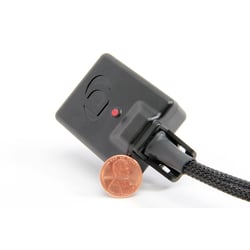



What Is a Fuel Injection Calibration Module?
A fuel injection calibration module is a specialized electronic component that bridges the gap between your engine's control unit and its fuel injectors — ensuring that every cylinder receives exactly the right amount of fuel at precisely the right moment. Calibration is the critical link between hardware and software in a modern fuel injection system. Without it, even brand-new, perfectly installed injectors can leave an engine running rough, inefficient, or worse.
Modern internal combustion engines rely on extraordinarily tight tolerances. As research into fuel injection systems notes, fuel injection calibration exists in part because no two injectors are manufactured identically — minute variances in flow rate, spray pattern, and response time are inherent to the production process. The calibration module (sometimes called a Fuel Injection Control Module, or FICM) stores and applies correction data that tells the engine control unit how to compensate for these real-world differences, cylinder by cylinder, across the entire operating range.
Why Fuel Injection Calibration Matters
The Powertrain Control Module (PCM) bases its fuel delivery calculations on calibration curves established during factory dyno testing. When injectors age, get replaced, or when the control module itself is swapped out, that baseline data must be updated or re-established. A calibration module makes this possible — it stores the unique correction values for each installed injector and feeds that data to the ECU in real time.
The practical benefits of a properly calibrated fuel injection system are significant:
- Balanced combustion: Each cylinder receives an equal, precisely calculated dose of fuel, producing smoother power delivery and a more stable idle.
- Improved fuel economy: Accurate fuel metering prevents over-fueling or under-fueling conditions that waste gasoline or diesel.
- Lower emissions: A correctly calibrated system keeps the air-fuel ratio in the optimal range, reducing harmful exhaust output.
- Engine protection: Poor fuel control can foul spark plugs, accelerate carbon buildup, stress pistons, and — in severe cases — damage the catalytic converter or engine block itself.
Signs Your Fuel Injection Calibration Module May Need Attention
Because the calibration module operates invisibly in the background, its failure often mimics other drivability complaints. Common warning signs include engine misfires, rough idling, hesitation during acceleration, decreased fuel economy, hard starting, and an illuminated Check Engine light. Trouble codes such as P0611 (Fuel Injector Control Module performance fault) or injector circuit codes like P0200 and P2146 are strong indicators that the module — not just the injectors themselves — deserves a closer look.
When Is a Replacement Calibration Module Needed?
A fuel injection calibration module typically becomes necessary in three scenarios: when the original module fails due to age, heat exposure, or electrical damage; when fuel injectors are replaced and the ECU needs updated correction values for the new hardware; or when the engine control module itself is replaced and must be loaded with the injector calibration data specific to the vehicle. In diesel applications in particular — from light-duty trucks to heavy equipment — injector quantity adjustment (IQA) codes stored within the calibration module play a direct role in idle quality, emissions compliance, and long-term injector health.
Selecting the correct replacement module requires matching the part to your vehicle's year, make, model, engine type, and often the specific VIN to ensure proper software compatibility. Whether you are restoring factory performance after a component failure or completing a thorough fuel system rebuild, the right fuel injection calibration module is the final — and most important — step in the process.