



Secondary Air Injection Shut-Off Valve
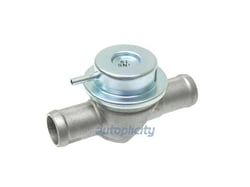
Genuine Mercedes 0001407760 Secondary Air Injection Cut-Off Valve

What Is a Secondary Air Injection Shut-Off Valve?
The secondary air injection shut-off valve is one of the most critical gatekeepers in your vehicle's emission control system. Its sole purpose is precision timing — ensuring that fresh, oxygen-rich air is routed into the exhaust manifold only during the cold-start phase of engine operation, and never when it isn't needed.
To understand why this valve matters, it helps to understand the bigger picture. Secondary air injection is a vehicle emissions control strategy in which fresh air is injected into the exhaust stream to allow for a fuller secondary combustion of exhaust gases. When a cold spark-ignition engine starts, it runs on a rich fuel mixture. Until the catalytic converter reaches its operating temperature, large quantities of carbon monoxide (CO) and unburned hydrocarbons (HC) are produced. Injecting ambient air with high oxygen content into the exhaust manifold during this phase causes post-oxidation — an "afterburning" of these pollutants into carbon dioxide and water. The heat this generates also warms the catalytic converter faster, accelerating the onset of proper emissions regulation.
The shut-off valve is what makes this timed delivery possible. Fitted between the secondary air pump and the exhaust manifold, it controls the flow of air from the pump to the exhaust stream. As a shut-off valve, it ensures that air only enters the exhaust manifold at the desired time — preventing unintended airflow that could confuse the engine's oxygen sensors or disrupt fuel trim. Secondary air shut-off valves are actuated either by vacuum (controlled by a solenoid switching valve) or by responding directly to pressure from the secondary air pump.
Symptoms of a Failing Shut-Off Valve
A stuck or leaking secondary air injection shut-off valve will typically trigger an OBD-II fault code such as P0410 or one of its variants, indicating low or no secondary air injection system flow. You may also notice rough cold starts, increased cold-start emissions, or a check engine light that appears shortly after startup and clears once the engine warms up. Because the engine control unit monitors the oxygen sensor response during secondary air injection, a stuck shut-off valve can cause the system to misread the engine as running rich or lean, leading to unnecessary fuel trim corrections.
Choosing the Right Replacement Valve
Secondary air injection shut-off valves are highly vehicle-specific — the correct part must match your engine's actuator type (vacuum vs. electric), port configuration, and pressure specifications. Always verify fitment by year, make, model, and engine before purchasing. Among the top brands available in this category:
- VEMO is a German automotive supplier known for producing OE-quality replacement parts that closely match original factory specifications, making their secondary air injection valves a popular choice for European vehicles including Volkswagen, Audi, and Mercedes-Benz applications.
- Pierburg is a Rheinmetall Automotive brand with deep roots as a direct OEM supplier to European manufacturers — their secondary air injection valves are frequently the same components found in vehicles as they leave the factory, offering exceptional reliability for BMW, VAG-group, and other European platforms.
- ACDelco brings the backing of General Motors' engineering heritage to this category, offering secondary air injection shut-off valves designed to exact OE specifications for GM vehicles — a trusted choice for Chevrolet, GMC, Buick, and Cadillac owners who want factory-grade reliability.
Why Prompt Replacement Matters
Neglecting a faulty secondary air injection shut-off valve doesn't just mean a check engine light — it means your catalytic converter takes longer to reach operating temperature on every cold start, increasing wear and cumulative emissions output over time. In many states and countries, a triggered emission-related fault code will also result in a failed emissions inspection. Replacing the shut-off valve promptly protects the integrity of the entire air injection system and extends the life of downstream components.