



Headlight Connector
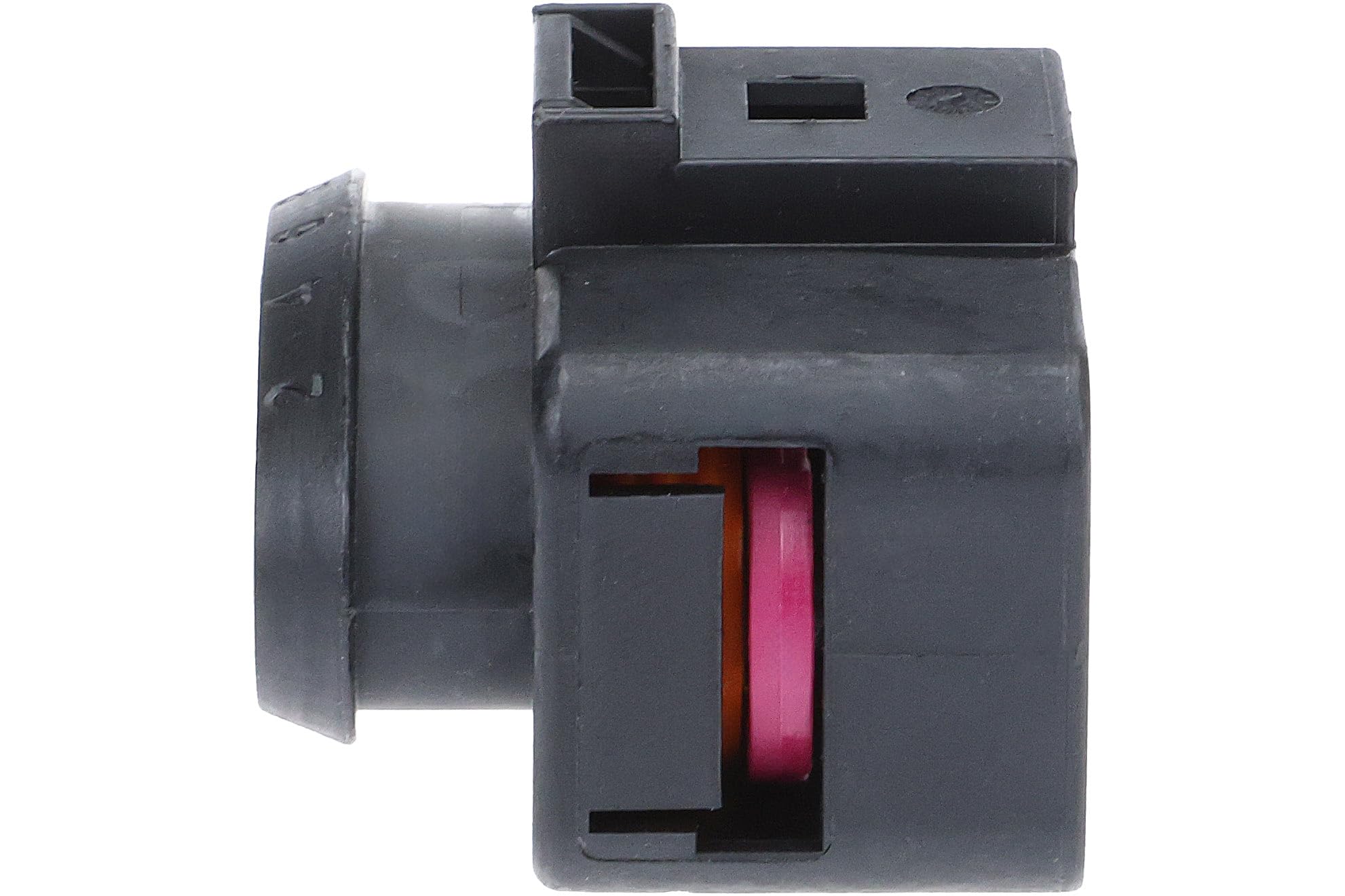 Representative Photo, actual item may vary


What Is a Headlight Connector?
Headlight connectors are one of those small-but-critical electrical components that rarely get attention until something goes wrong. These connectors serve as the essential bridge between your vehicle's wiring harness and the headlight bulb itself, transmitting power from the electrical system so your headlights can illuminate the road ahead. Without a functioning connector, your headlights simply won't work — and a compromised one can cause flickering, dimming, or total failure at the worst possible moment.
How Headlight Connectors Work
At their core, headlight connectors consist of male and female ends that mate together to form a secure electrical circuit. The number of pins varies by application: a basic two-pin connector handles a simple on/off circuit, while connectors with three or more pins support vehicles with separate high-beam and low-beam functions. The plastic housing surrounding the metal terminals is just as important as the contacts themselves — it shields against moisture, dirt, and the temperature swings that are constant in an engine bay environment.
Why Headlight Connectors Fail
Over time, headlight connectors face a tough set of conditions. Heat generated by modern bulbs can cause the plastic housing to melt or warp, while road vibration gradually loosens the contact fit. Moisture is perhaps the most insidious enemy: exposure to rain, humidity, and road spray leads to terminal corrosion, which creates resistance in the circuit and manifests as flickering or dim headlights. A connector that is cracked, melted, or visibly corroded is a safety hazard — a poor electrical connection to the headlight bulb can cause it to cut in and out while driving, especially dangerous at night or in bad weather.
What to Look for When Shopping
- OE fit: The connector should match the terminal count and physical profile of the original equipment socket for your specific vehicle.
- Corrosion-resistant contacts: Look for connectors with treated or coated metal terminals to handle harsh under-hood conditions.
- Heat tolerance: High-output halogen and HID bulbs generate significant heat; ensure the connector's housing material is rated to handle it.
- Wire pigtail length: Replacement connectors often come with a short pigtail for splicing into existing wiring — make sure the lead length works for your application.
- Vehicle compatibility: Always verify fitment by make, model, and year, as connector designs vary widely across manufacturers.
Top Headlight Connector Brands
Several trusted names supply quality headlight connectors for the aftermarket. The Best Connection is a well-regarded specialty brand focusing on automotive wiring and electrical repair components, offering a broad inventory of replacement connectors and wiring solutions for a wide range of vehicles. Their focus on 12-volt automotive electrical parts makes them a go-to for DIYers and enthusiasts tackling electrical repairs.
Dorman offers headlight connectors under their Conduct-Tite line — a dedicated lineup of small electrical components built for both professional repair shops and home mechanics. Dorman's headlight connectors are designed to match the fit and terminal count of the original equipment socket, feature corrosion-resistant electrical contacts, and allow a cost-effective repair by splicing into the existing vehicle wiring rather than replacing the entire harness.
ACDelco brings OEM-level engineering to the aftermarket, with headlight connectors designed to meet the original specifications of GM vehicles and many other applications — making them a natural choice for drivers who prefer factory-grade quality in replacement parts. Motorcraft, Ford's factory parts brand, supplies headlight connectors engineered specifically for Ford, Lincoln, and Mercury vehicles, offering precise fitment confidence for owners who want parts built to the same standards as what came on their vehicle originally.