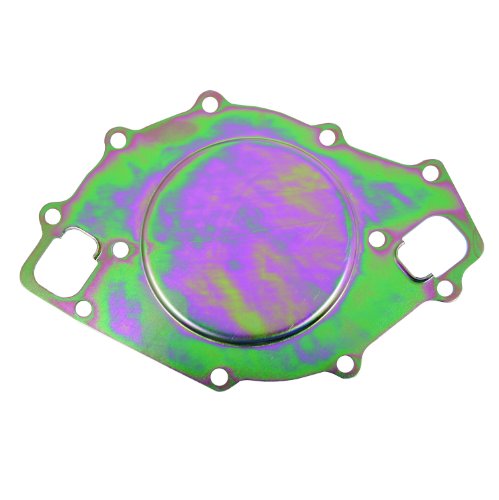
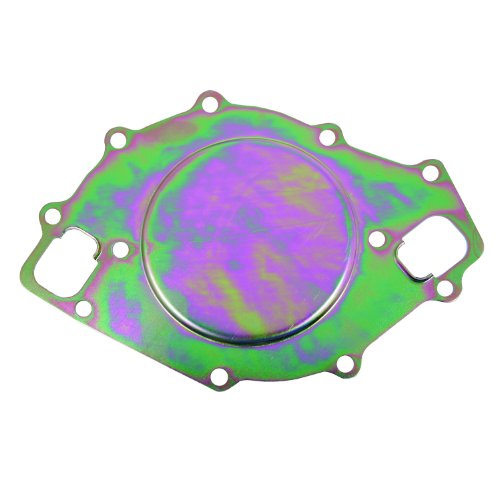
Engine Water Pump
Bosch 0392022002 Electric Intercooler Water Pump 12V 3/4 Inch Inlet Outlet
Moroso 63486 Aluminum Water Neck Filler - Weld-On Billet with 1/8 NPT Fitting
Moroso 63585 Billet Aluminum Electric Water Pump Ford 289/302/351W
Moroso 63615 Remote Water Pump Adapter Kit for GM LS Series Engines
What Is an Engine Water Pump?
Engine water pumps are the heartbeat of your vehicle's cooling system. The water pump is a mechanical device that circulates coolant from the radiator through the engine and back again, maintaining the steady flow needed to absorb and remove excess heat generated during combustion. Without a properly functioning pump, coolant becomes stagnant — and an overheating engine can follow within minutes, potentially causing catastrophic damage to cylinder heads, gaskets, and valves.
Here's how the cycle works: when the engine starts, the crankshaft turns the drive belt, which spins the pump pulley. This motion turns the impeller inside the pump housing, pushing coolant into the engine block where it absorbs heat. The heated coolant then travels to the radiator, where passing air draws that heat away, and the cooled fluid returns to the pump to repeat the cycle continuously while the engine runs. A standard pump can circulate coolant through the engine up to 20 times per minute at highway speeds — a remarkable rate that keeps engine temperatures within their safe operating window.
Key Components of an Engine Water Pump
Understanding the anatomy of a water pump helps you shop smarter and spot failure sooner. Most pumps share the same core parts:
- Impeller — The rotating fan-like blade that pressurizes and moves coolant through the engine. Impellers can be made of metal or composite materials, and their condition directly affects flow efficiency.
- Housing — Typically cast from aluminum, cast iron, or composite, the housing contains all internal components and mounts directly to the engine block.
- Shaft and Bearings — Connect the impeller to the drive pulley and allow smooth rotation. Bearing wear is one of the most common causes of pump failure.
- Seal and Gasket — Prevent coolant from leaking around the shaft and housing junction; these are often the first components to degrade over time.
- Pulley or Gear — Transfers rotational force from the engine's belt or timing system to the pump shaft.
When to Replace Your Water Pump
Water pumps are durable, but they do wear out. Many begin to show signs of wear around 40,000–60,000 miles, and most reach end-of-life by 100,000 miles. Common warning signs include coolant leaking near the front or center of the engine, a low-pitched grinding noise from the pump area, an unexplained rise in engine temperature, or having to top off coolant more frequently than usual.
One widely recommended practice: if your vehicle has a timing belt-driven water pump, replace the pump at the same time as the timing belt. Since the pump sits behind or alongside the timing cover, most of the labor is already done during a belt service — skipping the pump replacement means risking a return trip for the same tear-down job just months later.
What to Look for When Shopping Engine Water Pumps
Not all water pumps are created equal. When selecting a replacement, consider OEM fitment compatibility, impeller material (metal impellers generally outperform plastic in durability), housing construction, and whether the pump includes a new gasket or seal kit. For RV, marine, and multi-use applications, demand pumps — like those designed for on-demand pressurized water delivery — add another dimension of performance to consider, including flow rate (measured in gallons per minute), operating pressure (PSI), and power draw.
Top Engine Water Pump Brands
SHURflo is one of the most recognized names in water pump technology, with a history dating back to 1968 serving the RV, marine, and industrial markets. Known for compact, high-performance designs, SHURflo pumps are engineered to deliver reliable fluid transfer across a wide range of applications — from engine cooling support to freshwater delivery systems — making them a top choice for owners who demand consistent, long-lasting performance in demanding environments.