Engine Coolant Thermostat Housing
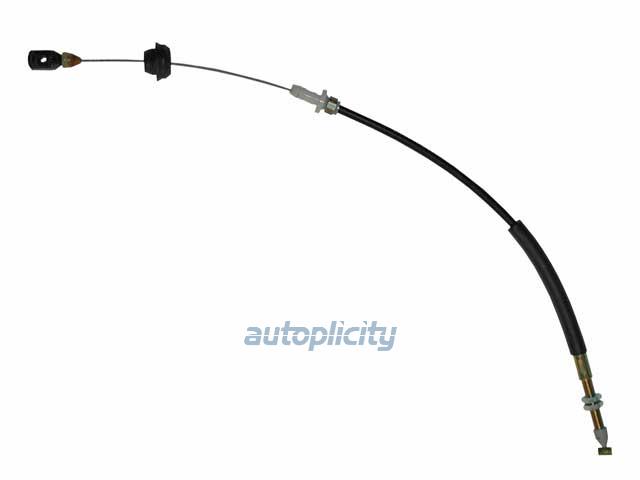
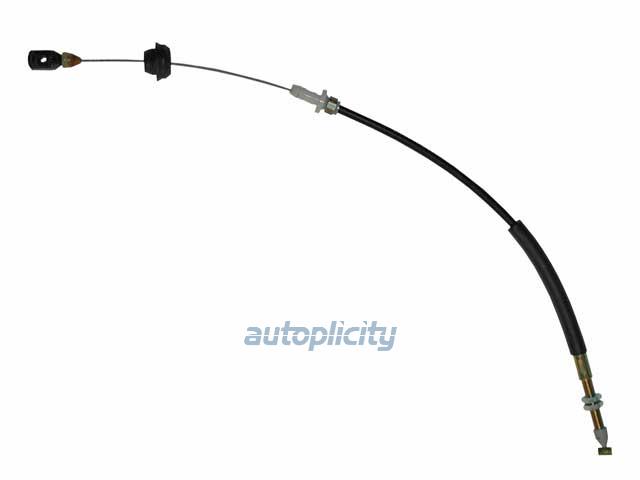
Genuine Porsche 964-423-023-04 Accelerator Cable for 911 964
MAHLE TI 234 88 Engine Coolant Thermostat Housing with Seals
Mishimoto MMTS-F2D-03FH High-Temperature Thermostat & CNC Housing Ford 6.0L Powerstroke
Mishimoto MMTS-F2D-03CH High-Temperature Thermostat Housing Ford 6.0L Powerstroke 2003-2007
MAHLE TI 308 90 Engine Coolant Integral Thermostat Assembly with Housing
Genuine Mercedes 271 200 12 56 Engine Coolant Thermostat Housing
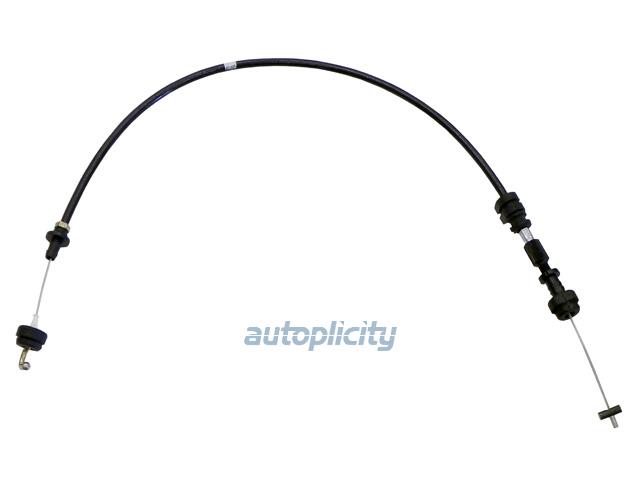
Genuine BMW 35-41-1-162-633 Throttle Cable Secondary Housing to ADS Actuator
ARP 450-7401 Thermostat Housing Bolt Kit Ford 351W Stainless Steel 12-Point
What Is an Engine Coolant Thermostat Housing?
The engine coolant thermostat housing is a critical component in your vehicle's cooling system. It serves as the structural mount and fluid junction that holds the thermostat in place and connects it to the engine block and upper radiator hose. Without a properly sealed, structurally sound housing, coolant cannot flow efficiently through the system — and your engine's operating temperature can quickly spiral out of control.
The thermostat itself works by using a wax-based thermal expansion element to regulate coolant flow. When the engine is cold, the thermostat stays closed, keeping coolant circulating in a small bypass loop so the engine warms up quickly. Once the target temperature is reached, the thermostat opens and routes coolant through the radiator to shed excess heat. The housing is the sealed gateway that makes all of this possible — and when it cracks, warps, or develops leaks, the entire cooling circuit is compromised.
Why Thermostat Housing Replacement Matters
Thermostat housings are typically made from aluminum, cast iron, or plastic depending on the vehicle, and all three materials are susceptible to failure over time. Aluminum and plastic housings can crack under repeated thermal cycling, while gaskets and O-rings harden with age and lose their seal. Common symptoms of a failing thermostat housing include coolant leaks around the housing, overheating, and fluctuating temperature gauge readings. Catching these issues early is essential — a small leak can quickly lead to low coolant levels, and unchecked overheating can cause serious engine damage.
When replacing a thermostat housing, it's important to match the part exactly to your engine's specifications. Factors like material, connector orientation, integrated sensor ports, and mounting bolt patterns all vary across makes and models. Many modern housings now incorporate the thermostat, housing, and gasket into a single integral assembly for easier installation.
Top Brands for Engine Coolant Thermostat Housings
ACDelco is one of the most trusted names in OE-quality cooling system components. As General Motors' original equipment parts brand, ACDelco thermostat housings are engineered to the exact specifications of GM vehicles and are a go-to choice for Chevrolet, Buick, GMC, and Cadillac owners seeking factory-level reliability.
MAHLE brings decades of global OEM expertise to the thermostat housing category. MAHLE supplies thermostats and thermal management components to vehicle manufacturers worldwide, and their aftermarket housings are designed to meet or exceed original equipment specifications — making them especially popular for European and import applications.
URO Parts specializes in OE-equivalent replacement components for European vehicles, including BMW, Mercedes-Benz, Volvo, and Volkswagen. URO thermostat housings are a practical choice for owners of European makes who need reliable fitment and solid construction at a competitive price point.
What to Look for When Shopping
- Material: Aluminum housings offer durability and heat resistance; plastic housings are lightweight but may be more prone to cracking with age.
- Integral vs. separate assembly: Some housings come with the thermostat and gasket pre-installed for a simpler, all-in-one replacement.
- OE fitment: Always verify that the part is rated for your specific year, make, model, and engine displacement.
- Sensor ports: Many housings include built-in coolant temperature sensor ports — confirm your replacement matches your vehicle's sensor configuration.
- Gasket included: Check whether a gasket or O-ring is included, as a new seal is critical to preventing leaks after installation.