



Engine Coolant Thermostat Seal
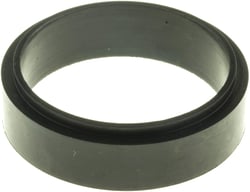

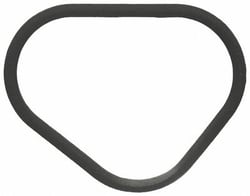


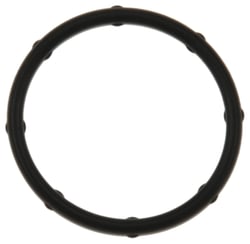

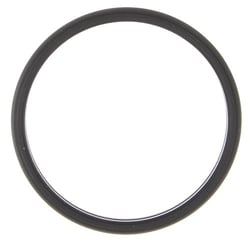
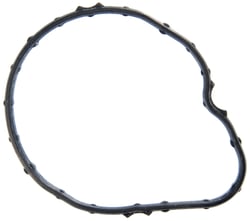

 Representative Photo, actual item may vary


What Is an Engine Coolant Thermostat Seal?
The engine coolant thermostat seal is a small but critically important component in your vehicle's cooling system. Positioned between the thermostat housing and the engine block, thermostat seals form a pressure-tight barrier that prevents coolant from escaping around the thermostat itself. Without a properly functioning seal, coolant can leak past the thermostat housing joint — leading to loss of system pressure, overheating, and potentially severe engine damage.
To understand why these seals matter, it helps to understand what the thermostat does. Engine coolant thermostats act as valves that regulate coolant flow between the engine and the radiator. When the engine is cold, the thermostat remains closed, allowing the engine to reach operating temperature quickly. Once the engine warms up, the thermostat gradually opens to allow coolant to circulate through the radiator and dissipate heat. This constant open-and-close cycle keeps the engine within a narrow, efficient temperature window — typically between 180°F and 220°F on most modern vehicles.
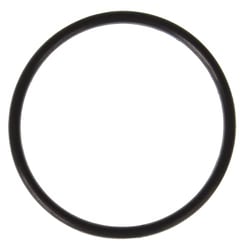
The thermostat seal is what keeps this entire system pressurized and leak-free. Thermostat seals come in two main forms: rubber O-ring seals, which fit snugly around the thermostat valve, and flat gaskets, which seat between the housing flange and the mating surface on the engine. Both types must withstand continuous exposure to hot coolant, thermal cycling, and system pressure without degrading or deforming.
When to Replace a Thermostat Seal
Because thermostat seals are exposed to heat and coolant chemicals over thousands of engine cycles, they do wear out over time. Common signs that a seal has failed or is failing include:
- Visible coolant leaks around the thermostat housing or on the ground beneath the vehicle
- A drop in coolant level with no obvious external source
- Overheating or erratic temperature gauge readings
- A coolant odor from under the hood
Best practice is to replace the thermostat seal any time the thermostat itself is replaced. Many technicians and experienced DIYers also replace the seal during water pump replacement or cooling system flushes, since the housing must be disturbed anyway.
Top Brands for Engine Coolant Thermostat Seals
Motorad is one of the most recognized names in cooling system components. As an OE supplier to many of the world's leading automakers, Motorad produces thermostat seals that are precision-designed and made from high-quality rubber compounds, ensuring an accurate fit and long-lasting sealing performance. Their adhesive-backed gaskets are particularly popular for simplifying installation and reducing the chance of misalignment.
Gates brings decades of fluid power and cooling system engineering expertise to their thermostat seal lineup. Gates works with dozens of original equipment manufacturers worldwide, and their thermostat seals and gaskets are rigorously tested to prevent leaks, resist corrosion and wear, and keep engine systems running reliably. Their adhesive-backed gasket designs are noted for cutting installation time and eliminating the need for separate gasket cement.
Victor is a trusted name in engine sealing, known for producing gaskets and seals built to precise OEM specifications — making their thermostat seals a solid choice when an exact-fit replacement is the priority.
MAHLE is a global OE supplier with a long heritage in engine sealing technology. Their thermostat seals are engineered with the same materials and processes used in original equipment applications, offering professional-grade reliability for import and domestic vehicles alike.
ACDelco is General Motors' official parts brand and a widely trusted source for cooling system components across GM platforms and beyond. Their thermostat seals are built to OE standards and are a natural choice for owners of GM vehicles seeking a direct-fit replacement.
Shopping Tips
When selecting a thermostat seal, always verify fitment by year, make, model, and engine size. Pay attention to whether your application uses a flat gasket or an O-ring seal, as these are not interchangeable. If your thermostat kit does not include a seal, purchase one separately — reusing an old, compressed seal is one of the most common causes of post-repair coolant leaks.