



Clutch Flywheel Counterweight
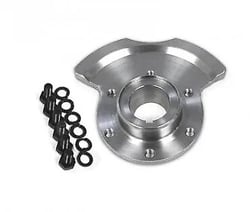
Competition Clutch CWMZD03 Flywheel Counterweight for Mazda RX-8

Quarter Master 180171 Flywheel Counterweight for Small Block Chevy 1-Piece Rear Main Seal


Competition Clutch CW-MZD-02 Flywheel Counterweight Kit for 1986-1988 Mazda RX-7
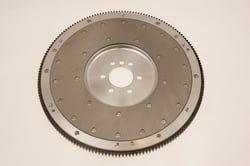



What Is a Clutch Flywheel Counterweight?
When you upgrade to a lightweight aftermarket flywheel, you gain quicker throttle response and faster RPM buildup — but you can also introduce a balancing problem. Many performance and racing flywheels are manufactured to a “neutral” or zero-balance specification, meaning they carry no built-in offset weight. If your engine relies on external balancing — where a counterweight on the flywheel compensates for rotating assembly imbalance — running a neutral flywheel without the proper correction will cause drivetrain vibration, accelerated wear, and inconsistent clutch engagement.
That’s precisely where the clutch flywheel counterweight comes in. Flywheel counterweights are bolt-on components that attach directly to the flywheel and restore the correct rotational balance for externally balanced engines. By offsetting uneven mass distribution, they prevent the vibrations and premature wear that come with a mismatched flywheel-to-crankshaft balance setup.
Why Flywheel Balance Matters
Engine balance is a critical — and often overlooked — part of any clutch or flywheel upgrade. Stock OEM flywheels typically have their counterweight mass cast directly into the flywheel itself, so balance is handled automatically. When you swap to a lightweight performance flywheel, that integrated counterweight is often eliminated to reduce rotational inertia. For engines that depend on an external counterweight (common in many American V8 applications), a separate bolt-on flywheel counterweight kit is required to complete the installation properly.
Skipping this step can result in rough idle, vibrations at speed, clutch chatter, and excessive stress on the crankshaft main bearings. A correctly installed flywheel counterweight ensures smooth clutch engagement, longer drivetrain component life, and proper engine harmony across the entire RPM range.
What to Consider When Shopping for a Flywheel Counterweight
- Engine balance type: Confirm whether your engine is internally or externally balanced before purchasing. Externally balanced engines require a counterweight; internally balanced engines do not.
- Flywheel compatibility: Many counterweight kits are engineered to work exclusively with flywheels from the same brand. Always verify fitment with your specific flywheel model and part number.
- Weight specification: Counterweights are available in different weight ratings (commonly expressed in ounces) to match the specific balance requirements of different engine families.
- Material and hardware: Look for kits that include all necessary mounting hardware — properly rated fasteners are essential for a secure, vibration-free installation at high RPM.
Top Brands in Clutch Flywheel Counterweights
McLeod is the dominant name in this category, and for good reason. McLeod Racing has been supplying performance driveline components since 1971, and their flywheel counterweight kits are purpose-built to pair with their own performance flywheels. Their bolt-on counterweight kits convert neutral-balanced McLeod flywheels into externally balanced applications, with coverage for Chevrolet, Chrysler, and Ford engine families. Each kit ships with all necessary hardware for both steel and aluminum flywheel applications.
Speedmaster rounds out the category with their flywheel counterweight offerings, including application-specific external counterweights such as those designed for the Mazda RX-7 rotary platform. Speedmaster has built a reputation since 1979 for delivering well-priced, quality performance parts with broad application coverage — making them a solid option for builders seeking a value-conscious counterweight solution.