



Automatic Transmission Oil Cooler


 Representative Photo, actual item may vary
CSF 8350 2021+ Ford Bronco 2.7L EcoBoost External Transmission Oil Cooler Kit Black

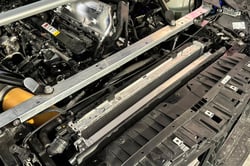
CSF 8331 BMW F9x X3M/X4M High-Performance Heat Exchanger Transmission Cooler Module
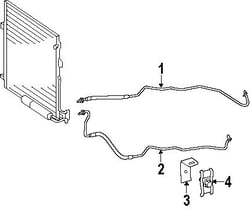

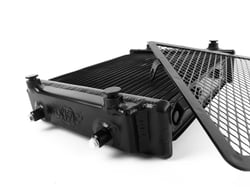
CSF 8132 Quadruple Pass DSG High-Performance Auxiliary Radiator for Audi/VW MQB


 Representative Photo, actual item may vary
CSF 8344 High-Performance Transmission Oil Cooler for Jeep Wrangler JL & Gladiator JT

Flex-A-Lite 117708 30-Row Transmission Oil Cooler Kit for 2003-2007 Ford Super Duty 6.0L Power Stroke

 Representative Photo, actual item may vary

Koyorad EC0038 Automatic Transmission Oil Cooler Aluminum External

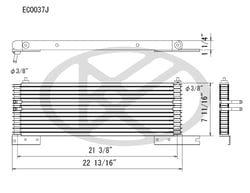
Koyo EC0037 External Aluminum Oil Cooler for 2002-2005 Ford Explorer
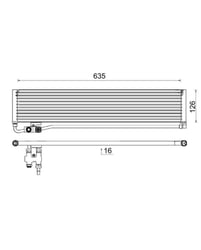


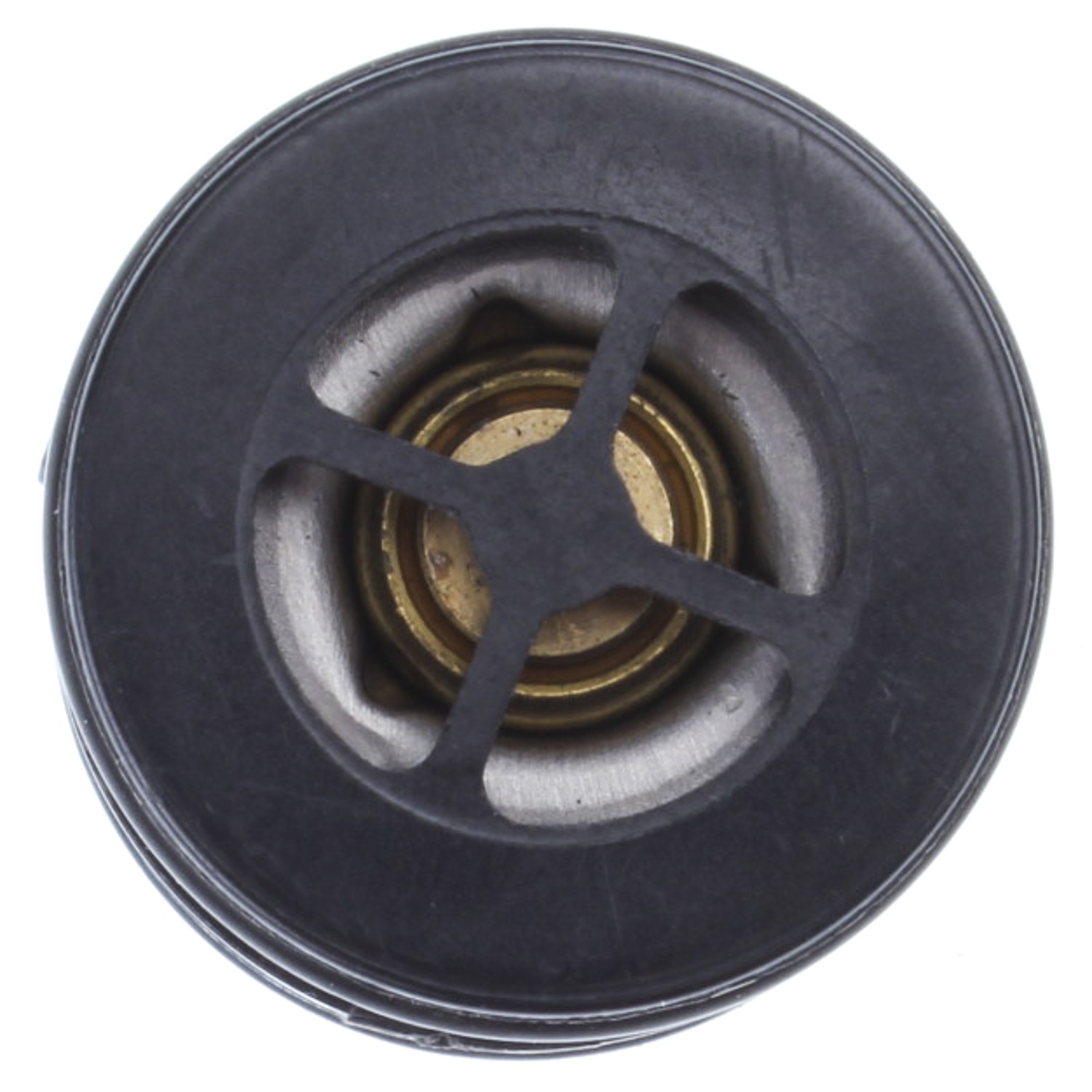 Representative Photo, actual item may vary

ATI Performance Products 707611 Transmission Fluid Overflow Tank for GM 4L80E/4L85E


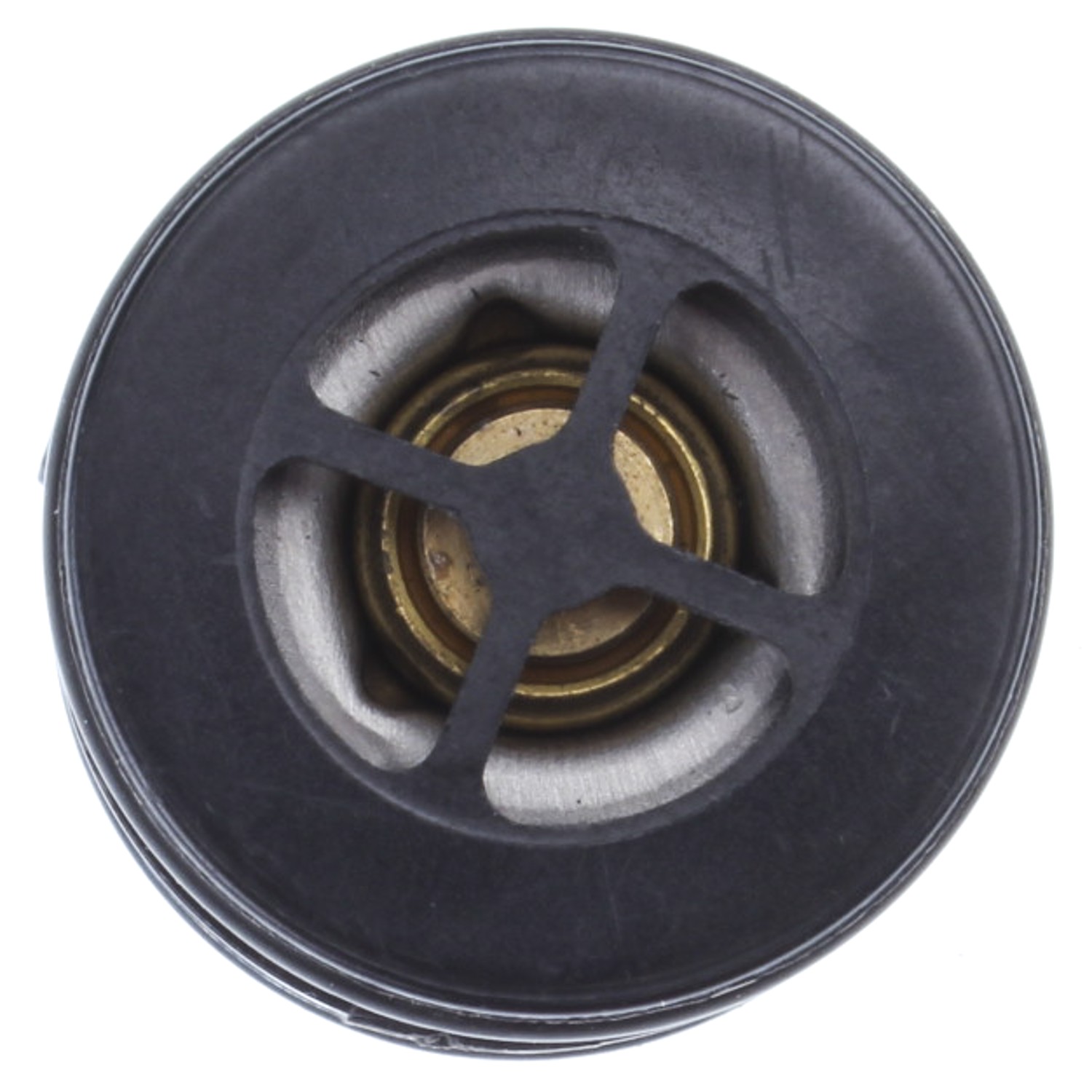 Representative Photo, actual item may vary
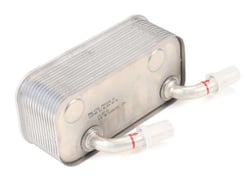
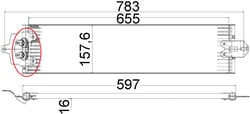
Genuine BMW 17-22-7-551-636 Automatic Transmission Oil Cooler Heat Exchanger


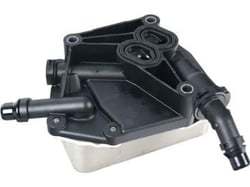
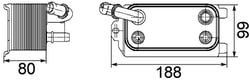
Genuine BMW – Mini 17-21-7-640-013 Automatic Transmission Oil Cooler Heat Exchanger

Why Your Automatic Transmission Needs an Oil Cooler
Automatic transmission oil coolers are one of the most effective — and most overlooked — ways to extend the life of your vehicle's drivetrain. Heat is the primary enemy of any automatic transmission. Hayden Automotive puts it plainly: over 14 million transmissions fail every year, and 9 out of 10 failures are caused by overheating. An auxiliary or replacement transmission cooler directly addresses this risk by routing hot automatic transmission fluid (ATF) through a dedicated heat exchanger before it cycles back into the transmission.
Automatic transmissions rely on hydraulic fluid to transfer power, control gear shifts, and lubricate internal components. Under normal driving conditions, ATF ideally stays around 175°F. But under heavy loads — towing a trailer, rock crawling, stop-and-go traffic on a hot day, or pushing a performance build — fluid temperatures can surge well past 225°F or even 250°F, accelerating wear on clutch packs, seals, and friction surfaces at an alarming rate. A quality transmission cooler is the most direct solution.
Types of Transmission Oil Coolers
Transmission coolers generally fall into two design families: tube-and-fin and stacked plate. Tube-and-fin coolers are compact, affordable, and well-suited for light-duty applications. Stacked plate designs pack more surface area into a given footprint, making them the preferred choice for towing, performance builds, and high-stress use cases. Many coolers are offered as complete kits that include hose, fittings, and mounting hardware — so installation is often straightforward even for DIYers.
Beyond core design, you'll want to consider cooler capacity (often rated by vehicle weight or towing load), inlet/outlet fitting sizes (common sizes include 3/8" push-on and -6AN), and whether the application calls for a universal fit or a direct-fit unit engineered for your specific vehicle. Some premium units also incorporate an electric fan for maximum thermal management in any airflow environment.
Top Brands in Automatic Transmission Oil Coolers
Hayden Automotive has been a fixture in automotive cooling since 1960, earning a reputation as a pioneer in the space. Their lineup spans the Ultra-Cool, Rapid-Cool, and HD-Cool series, offering options ranging from compact street applications to heavy-duty towing. Hayden's patented internal by-pass technology and 100% factory pressure testing set their coolers apart, and the brand's product range covers everything from compact commuters to motorhomes.
Mishimoto brings a performance-forward approach to transmission cooling, offering both universal and direct-fit coolers backed by their lifetime warranty. Their all-aluminum construction, vehicle-specific fitments — spanning popular platforms from Ford Powerstroke diesels to sport compacts — and full kits with AN fittings and stainless steel lines make them a top pick for enthusiasts who want a clean, engineered solution rather than a generic universal cooler.
Derale Performance has been a go-to brand for racers and high-performance builders since the 1980s. Their Hyper-Cool and Electra-Cool lines feature stacked plate cores, integrated electric fans, and thermostatically controlled operation — purpose-built for extreme towing, performance cars, hot rods, and off-road rigs where cooling demands are relentless.
What to Look For When Shopping Transmission Coolers
- Towing or GVWR rating: Match the cooler's capacity to your vehicle's actual load demands.
- Core design: Stacked plate cores offer more cooling efficiency; tube-and-fin units are more compact and budget-friendly.
- Fitting compatibility: Verify inlet/outlet sizes match your existing lines or included adapters.
- Fan inclusion: Coolers with electric fans provide active cooling even at low vehicle speeds or when stationary.
- Direct-fit vs. universal: Direct-fit kits reduce installation complexity; universal coolers offer more flexibility in mounting location.