



Water Heater Elements & Anode Rods
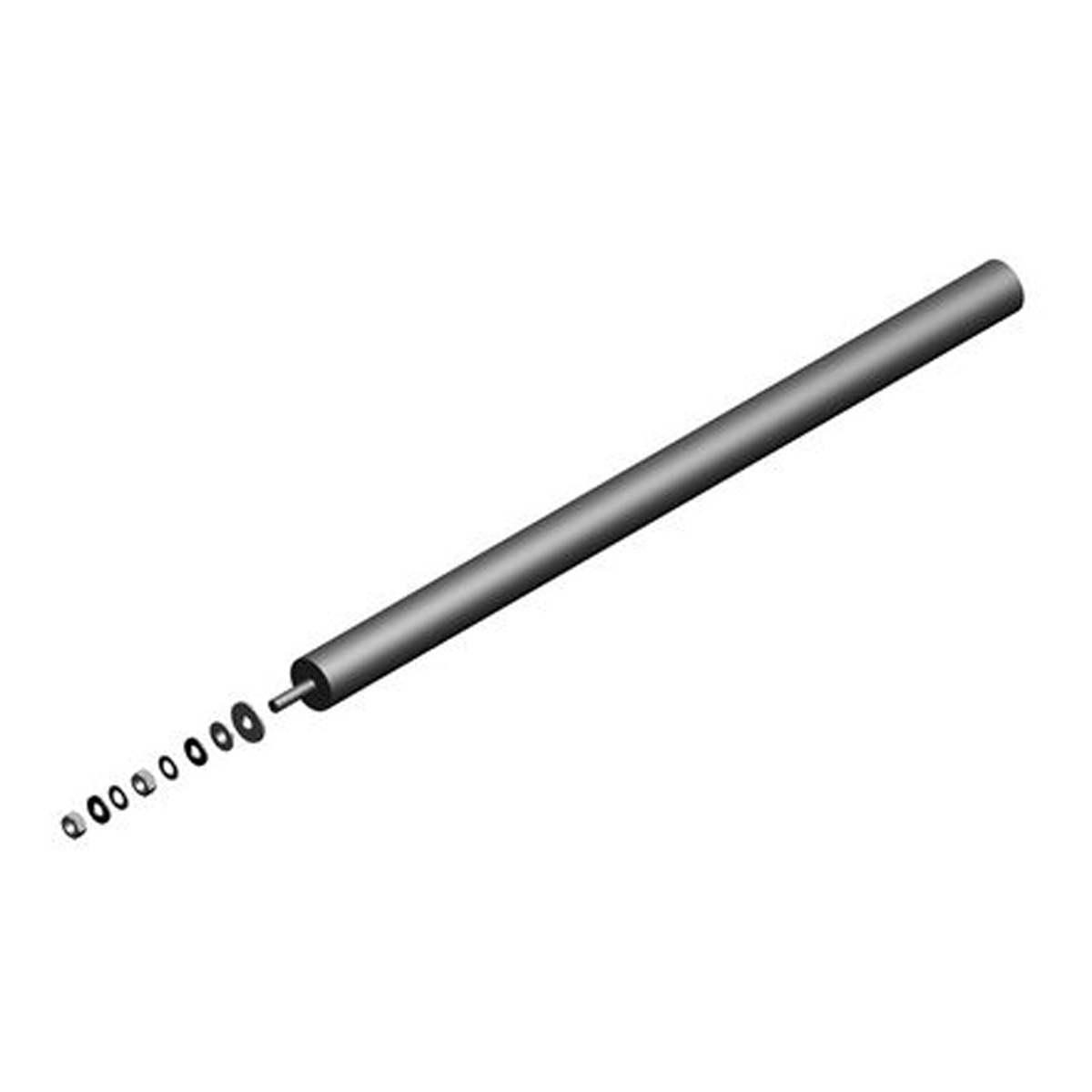 Representative Photo, actual item may vary

What Are Water Heater Elements and Anode Rods?
Inside every tank-style water heater are two unsung heroes working around the clock: the heating element and the anode rod. While they serve different functions, both are essential to keeping your water heater running efficiently and reliably for years to come. Understanding what each component does — and when to replace it — can save you from costly repairs or premature tank replacement.
The Role of Heating Elements
Electric water heaters rely on one or more immersion heating elements to warm the water inside the tank. These elements are typically constructed with a resistance wire and a protective metal sheath, and are rated by wattage and voltage to match the heater's specifications. When an element burns out or becomes coated with mineral scale, the water heater loses efficiency or stops producing hot water altogether. Replacing a faulty element is one of the most cost-effective repairs a homeowner or technician can make, restoring full performance without replacing the entire unit.
How Anode Rods Protect Your Tank
A water heater anode rod is a sacrificial metal rod that protects your water heater tank from corrosion by attracting corrosive elements and minerals in the water, corroding itself instead of the steel tank. Made from magnesium, aluminum, or zinc, the rod is designed to attract corrosive elements in your water and prevent them from attacking the steel tank lining — without an anode rod, your water heater tank would rust more quickly, potentially leading to leaks, system failure, or even rupture.
The science behind anode rods is simple but effective. These rods rely on a process called electrochemical reaction: since the rod is made of a material that is more "sacrificial" (i.e., reactive) than the steel of your water heater tank, corrosive elements target the rod instead of the tank itself. This "sacrificial" process can extend your water heater's lifespan from the typical 8–12 years to potentially 15+ years when properly maintained.
Choosing the Right Anode Rod Material
Anode rods are made from either magnesium or aluminum, with magnesium being particularly effective due to its higher electron-donating ability compared to aluminum. Aluminum anode rods are best for places with hard water, as the aluminum rod will withstand harder water than any other type. There are also powered (electronic) anode rods available: instead of corroding, a powered rod sends electrical impulses into the water heater tank, providing the same protection as magnesium and aluminum rods without corroding — and though electrical rods may be more expensive, they're also the longest-lasting option, surviving for the entire lifespan of your water heater.
Maintenance and Replacement
Anode rods should be checked on an annual basis, with manufacturers often recommending a minimum annual check as part of preventative maintenance — but heaters operating on well water will likely need more frequent checks, semi-annually or quarterly. While it's true that hard water accelerates the depletion of anode rods due to its higher mineral content, these rods are essential in all water conditions. If you have an electric heater and you notice sediment or corrosion on your anode rod, you may also want to consider having the elements checked and possibly replaced.
Top Brands for Water Heater Elements & Anode Rods
When it comes to heavy-duty water heater heating elements, Indeeco stands out as a specialist manufacturer with deep expertise in industrial and commercial heating technology. Indeeco designs and manufactures high-quality heating elements engineered to deliver precise and reliable thermal performance across a wide range of industrial applications, committed to producing heating solutions that provide consistent temperature control, energy efficiency, and long-term durability. With complete in-house facilities to manufacture pressure vessels, immersion heaters, sheet metal enclosures, and electronic controls, Indeeco offers a complete line of heater-control packages for water, oil, and other fluids.