



 Water Heater Repair Parts
9
 Tankless Water Heater Parts
8
 Water Heater Gas Valves & Controls
8
 Water Heater Thermostats & Controls
4
 Bathroom Hardware & Medicine Cabinets
2
 Faucet Cartridges & Repair Parts
1
 Pilot Assemblies & Thermocouples
1
 Toilet Seats & Toilet Repair Parts
1
 Water Heater Burner Assemblies
1
 Water Heater Elements & Anode Rods
1


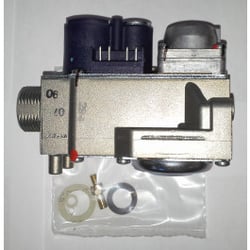
 Representative Photo, actual item may vary

Bosch 87387044390 1440W 120V Replacement Heating Element for ES4 Mini-Tank Water Heater

Bosch 87181050510 Pilot Burner Assembly for Aquastar Tankless Water Heaters
 Representative Photo, actual item may vary
Bosch 7738007259 Flame Rod Assembly OEM Replacement for Tankless Water Heaters

Moroso 74105 Push/Pull Battery Disconnect Mounting Kit for Roll Cage Installation






 Representative Photo, actual item may vary
 Representative Photo, actual item may vary
 Representative Photo, actual item may vary
 Representative Photo, actual item may vary
 Representative Photo, actual item may vary

Bosch 8733962707 Wired Wall Thermostat for Ducted and Cassette Mini-Split Systems
 Representative Photo, actual item may vary
 Representative Photo, actual item may vary
 Representative Photo, actual item may vary
 Representative Photo, actual item may vary
 Representative Photo, actual item may vary
 Representative Photo, actual item may vary
 Representative Photo, actual item may vary
 Representative Photo, actual item may vary

 Representative Photo, actual item may vary
 Representative Photo, actual item may vary

Understanding Plumbing & Water Heater Parts
Hot water is one of those household essentials you only notice when it disappears. Behind every reliable shower, dishwasher cycle, and load of laundry is a network of plumbing components and water heater parts working in concert. Whether you are performing routine maintenance, tracking down a leak, or nursing a failing unit back to health, knowing what each component does — and when to replace it — can save both time and money.
The Building Blocks of a Water Heating System
At the heart of any tank-style water heater is the insulated storage vessel itself, typically a steel tank lined with glass or ceramic to resist corrosion. From there, a surprising number of individual parts each carry their own critical job:
- Dip Tube & Cold Water Inlet: The dip tube guides incoming cold water to the bottom of the tank, ensuring hot water stays near the top and is ready for immediate use. The cold water inlet valve also allows you to shut off supply during repairs.
- Heating Elements & Gas Burners: Electric water heaters rely on one or two immersed heating elements, while gas models use a burner assembly at the base of the tank. Matching the correct voltage, wattage, and BTU rating to your unit is essential for safe operation.
- Thermostats & Control Valves: These components regulate water temperature, keeping your supply hot enough for daily use without wasting energy or creating a scalding hazard.
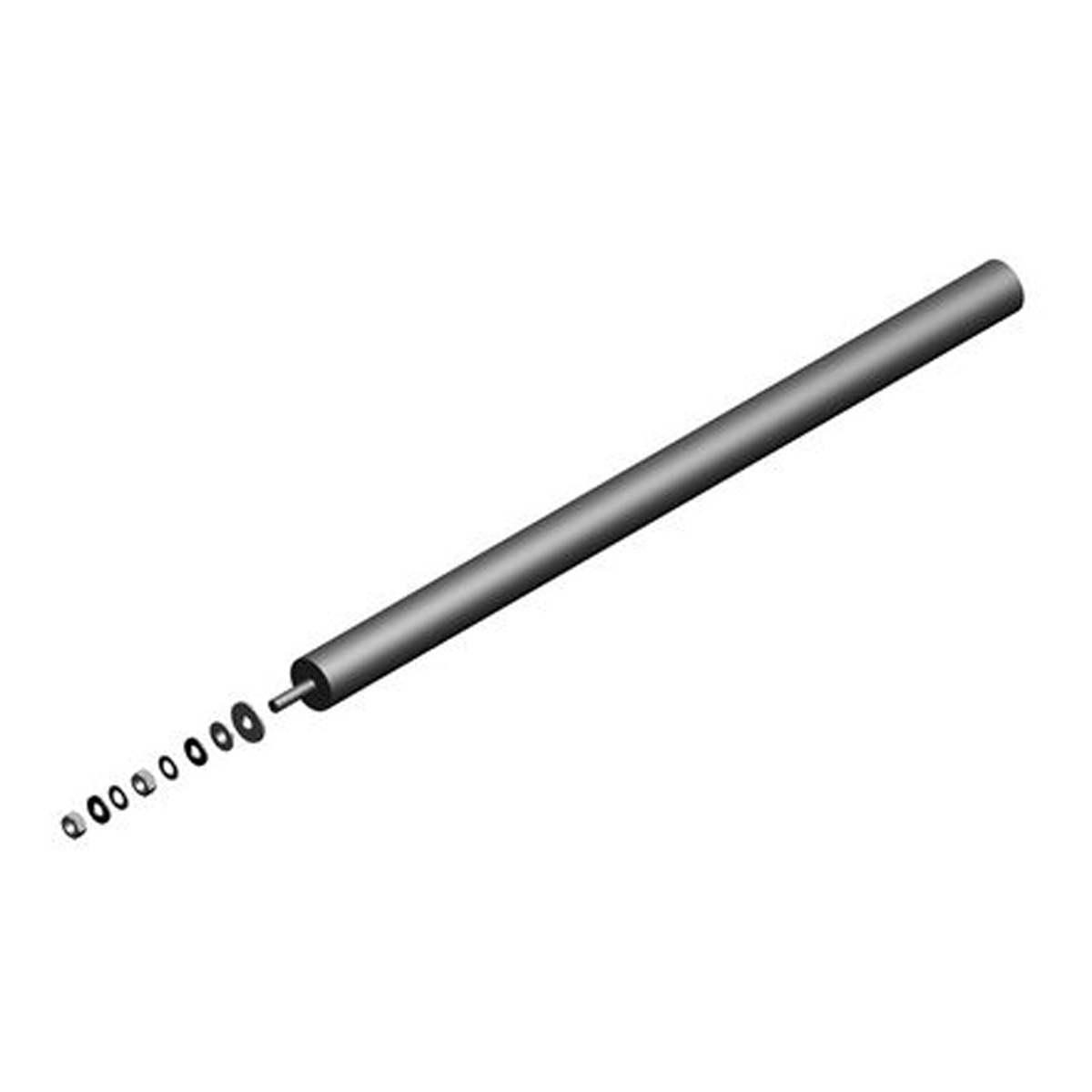
- Anode Rod: Often called a sacrificial anode, this magnesium or aluminum rod attracts corrosive minerals in the water, protecting the tank's steel walls from rust. Anode rods typically need inspection or replacement every few years, depending on water hardness and usage.
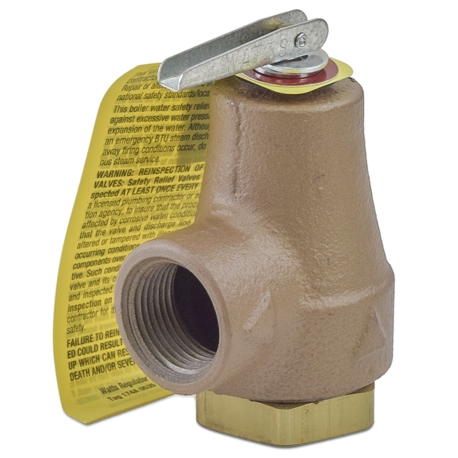
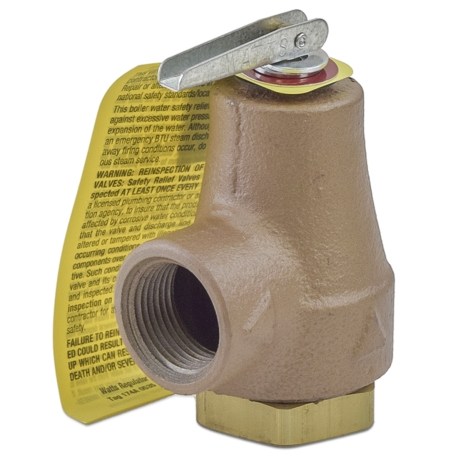
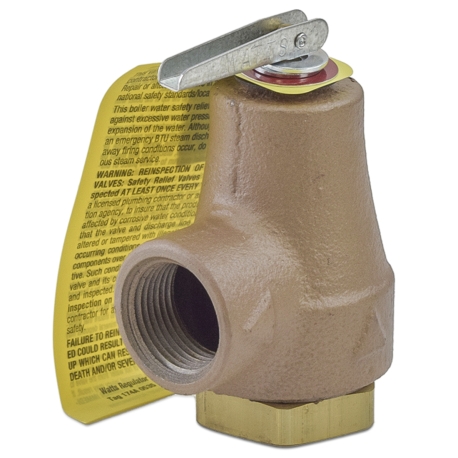
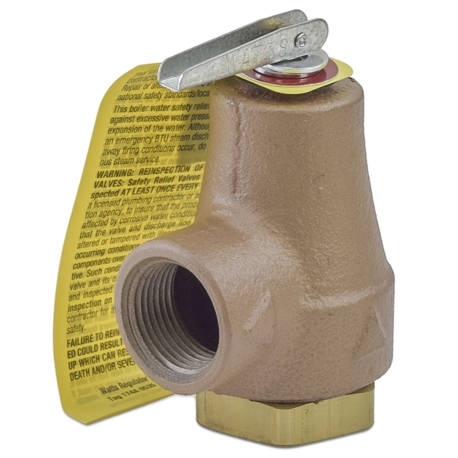
- Temperature & Pressure Relief (T&P) Valve: A critical safety component, the T&P valve releases excess pressure if temperature or pressure levels climb too high, preventing dangerous tank failures.
- Drain Valve: Located at the tank's base, the drain valve is used to flush out sediment buildup — a routine maintenance step that extends heater lifespan and maintains efficiency.
- Flue Baffle & Venting Components: Gas water heaters require proper venting to safely expel combustion gases. Vent kits, flue baffles, and roof flashing work together to channel exhaust safely out of the home.
Tankless Water Heater Components
Tankless (on-demand) water heaters have grown in popularity for their energy efficiency. Rather than storing hot water, they heat it instantly as it flows through a heat exchanger. Key parts unique to tankless systems include flow sensors that detect when water is running and trigger the heating cycle, electronic control panels for temperature adjustment and diagnostics, and dedicated exhaust vents for gas-powered models. Because these systems are more compact and technologically advanced, getting the right replacement component — matched to the correct make and model — is especially important.
Plumbing Fittings, Valves & Connectors
Beyond the water heater itself, a well-functioning hot water system depends on the surrounding plumbing infrastructure. Flexible connectors, pipe fittings, shut-off valves, expansion tanks, and discharge pipes all play supporting roles. Expansion tanks, for instance, absorb the pressure increase that occurs naturally as water heats up in a closed system, protecting both the tank and the broader plumbing network from stress damage.
Shopping Tips: Getting the Right Part
Before ordering any replacement part, locate your water heater's make, model number, and serial number — usually printed on a label near the control panel. This information is essential for confirming compatibility, particularly for electrical components where mismatched voltage or wattage can pose serious safety risks. For core safety components like T&P valves, anode rods, and burner assemblies, it is worth choosing parts engineered or certified for your specific heater type. Regular maintenance — flushing sediment, inspecting the anode rod, and checking valves — remains the most effective strategy for extending the life of any water heating system.