



Transformers


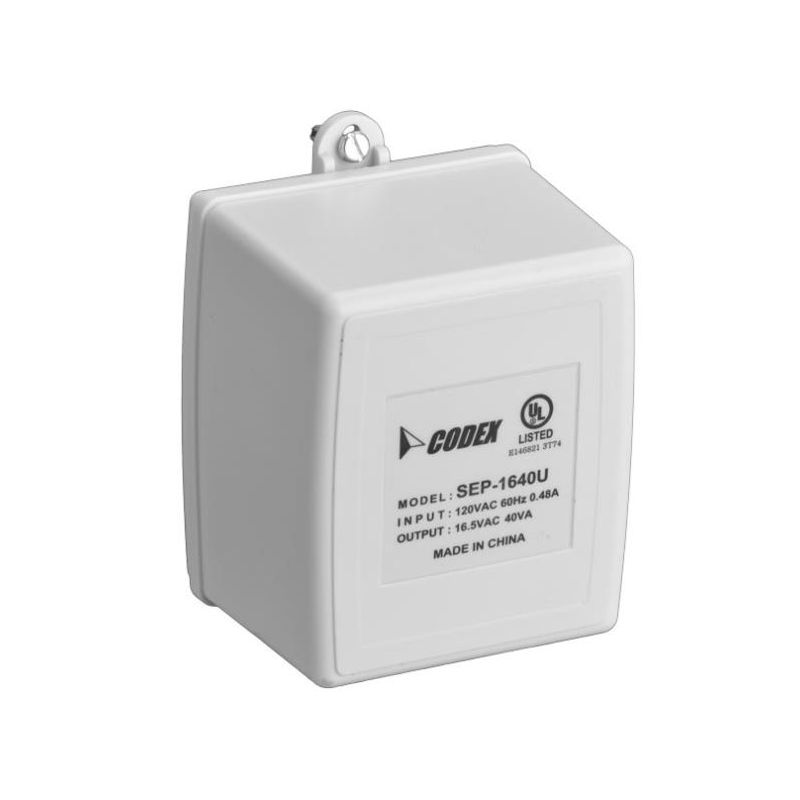 Representative Photo, actual item may vary
 Representative Photo, actual item may vary
What Are Electrical Transformers and Why Do They Matter?
Electrical transformers are among the most essential — and most overlooked — components in HVAC, industrial control, and building automation systems. Transformers work by applying the principle of electromagnetic induction between coils to convert voltage and current levels, enabling electrical energy to move safely and efficiently between circuits. In practical terms, they step high-voltage power down to the safe, low-voltage levels that sensitive control equipment demands.
In HVAC applications, for example, the system's main components — blowers, compressors, and draft fans — operate at 120V or 240V AC, while thermostats, control boards, sensors, and relays require a much lower voltage, typically 24V. Without a properly functioning transformer to step that voltage down, these control components would either fail to operate or sustain damage from the excess voltage. Transformers also play a critical role in ignition systems, where they generate the high-voltage spark needed to reliably ignite oil and gas burners in furnaces and boilers.
Types of Transformers
- Control Transformers: Step line voltage down to 24V AC for thermostats, relays, and building automation systems.
- Ignition Transformers: Generate high-voltage output (often 6,000–15,000V) to produce the arc that ignites oil or gas burners.
- Multi-Tap Transformers: Feature multiple primary voltage inputs (120V, 208V, 240V, 277V, 480V) for flexible installation in varied electrical environments.
- Class 2 Transformers: UL-listed units that inherently limit output power, providing an added layer of safety for low-voltage control wiring.
What to Consider When Shopping for a Transformer
Choosing the right transformer requires attention to a few key specifications. VA rating (volt-amperes) determines how much load the transformer can support — undersizing a transformer will cause it to overheat and fail prematurely. Primary and secondary voltages must match your incoming line power and the equipment being powered. For ignition applications, confirm compatibility with the specific burner manufacturer and model. Finally, look for UL listing and, where applicable, CSA approval to ensure the unit meets North American safety standards.
Top Transformer Brands
Allanson has been serving the HVAC market for over 90 years and is widely regarded as a go-to source for ignition transformers. Their extensive lineup covers ferromagnetic and electronic ignition transformers in 120V and 240V configurations, supporting oil and gas burner applications across dozens of major burner manufacturers.
Functional Devices has been designing and manufacturing electronic devices in the United States since 1969. Their transformer lineup is engineered specifically for integration into building automation systems, HVAC controls, and industrial control circuits, with a wide range of VA ratings and multi-tap primary voltage options.
Siemens Industrial Controls brings the engineering depth of a global industrial leader to the transformer category, offering rugged, reliable units built for demanding commercial and industrial environments where consistent voltage regulation is non-negotiable.
Eaton is a trusted name in power management, and their transformer offerings reflect that pedigree — delivering dependable performance in both new installations and retrofit applications across a broad range of voltage and load requirements.