



 Boiler Repair Parts
23
 Burners, Orifices & Combustion Parts
11
 Heating Parts & Accessories
9
 Gaskets, Seals & O-Rings
8
 Boiler Safety Controls & Aquastats
7
 Circulator Pumps & Pump Parts
7
 Furnace Heat Exchangers
4
 Boiler Relief & Safety Valves
2
 Draft Inducer Motors & Vent Parts
2
 Pool & Unit Heater Parts
2
 Expansion Tanks & Air Vents
1
 Furnace Ignitors & Flame Sensors
1
 Gas Conversion Kits
1
 Gas Pressure Regulators
1
 Zone Valves & Hydronic Heating Parts
1
 Representative Photo, actual item may vary

 Representative Photo, actual item may vary
 Representative Photo, actual item may vary
Bosch 8733802652 High Pressure Switch Kit for Heat Pumps and Air Conditioners
 Representative Photo, actual item may vary
 Representative Photo, actual item may vary
 Representative Photo, actual item may vary


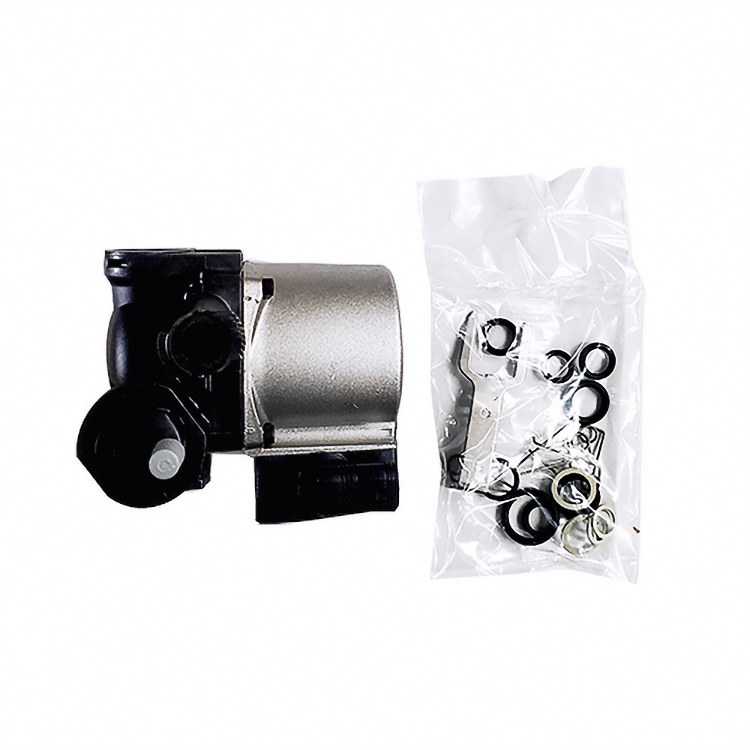 Representative Photo, actual item may vary
Bosch 7738003266 UP26-116F Grundfos 1/6 HP Cast Iron Circulator Pump 230V 1-Speed


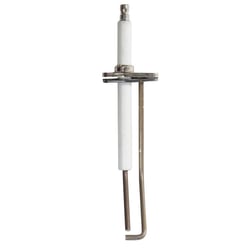


 Representative Photo, actual item may vary
 Representative Photo, actual item may vary

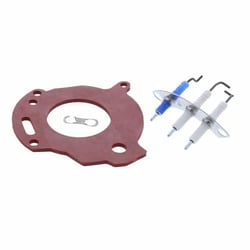


Worcester Bosch 19045213460 T4A Slow-Blow Fusing Element Replacement Pack of 10
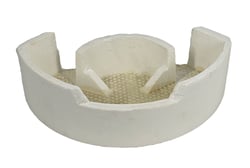

Understanding Furnace, Boiler & Heating Parts
When winter sets in, your home's heating system becomes one of its most essential assets. Whether you rely on a forced-air furnace, a hydronic boiler, or a steam heating system, every component working behind the scenes plays a critical role in keeping your living space warm and safe. Understanding the parts that make up these systems helps homeowners and HVAC professionals alike diagnose problems faster, perform smarter maintenance, and make better decisions when it comes time to repair or replace.
How Furnaces and Boilers Work
At the heart of any forced-air furnace, a network of components generates and distributes heat throughout a building. Key components include the burner, heat exchanger, blower motor, and thermostat — each serving a distinct role. The burner ignites fuel to create heat, the heat exchanger transfers that heat to circulating air while separating combustion gases from indoor air, and the blower motor pushes the warmed air through the ductwork. Supporting parts like the flame sensor, gas valve, inducer fan, control board, and air filter round out the system, ensuring it runs safely and efficiently.
Boilers operate on a different principle. Rather than heating air directly, they heat water — and in some cases produce steam — to distribute warmth through radiators, baseboard heaters, or radiant floor systems. Hydronic and steam systems rely on components such as circulator pumps, expansion tanks, pressure relief valves, aquastat controls, and vent assemblies to maintain safe operating pressure and consistent heat output.
Common Replacement Parts & When They Fail
No heating system runs forever without service. Some components wear out on predictable schedules, while others fail unexpectedly. Among the most frequently replaced furnace parts are igniters and flame sensors, which wear out over time and are essential for starting the heating cycle. Gas valves, control boards, and blower motors are also common service items. For boilers, frequently replaced parts include ignition electrodes, gas valves, pressure relief valves, circulator pump assemblies, expansion tanks, and aquastat control units. In oil-fired systems, combustion chambers, burner nozzles, and oil pump strainers require regular attention, while steam boiler systems often call for steam vent and trap assembly replacements.
Warning signs that a furnace or boiler part needs attention include unusual noises such as banging or squealing, the system blowing cold air, short cycling (turning on and off too frequently), a yellow pilot flame instead of blue, or an unexpected spike in heating bills.
Choosing the Right Heating System Parts
When shopping for replacement parts, matching the correct component to your specific make and model is critical. Heat exchanger sections, combustion chambers, and burner assemblies are engineered for specific configurations and vary by manufacturer. Some components — such as pressure relief valves, circulator pumps, and expansion tanks — are specified by performance rating and can be applied across multiple brands when the ratings match. Always verify your system's model number and serial number from the rating plate before ordering.
Proper venting is another area that deserves attention. Vent pipes, draft hoods, power vent exhaust adapters, and related components are critical for safe operation — blocked or undersized venting can cause combustion gas spillage and create a carbon monoxide hazard. When in doubt, consult a licensed HVAC professional before tackling repairs involving gas, electricity, or combustion systems.
Maintenance: The Key to Longevity
Regular maintenance goes a long way toward extending the life of every heating component. Tasks such as replacing air filters, inspecting the heat exchanger for cracks, testing the flame sensor, and checking gas pressure help keep a furnace running at its original efficiency rating. With proper care, major components like the heat exchanger and blower motor can last 15 to 20 years. Staying proactive with routine service not only keeps energy costs in check but helps ensure your heating system is ready when you need it most.