



Gaskets, Seals & O-Rings
 Representative Photo, actual item may vary

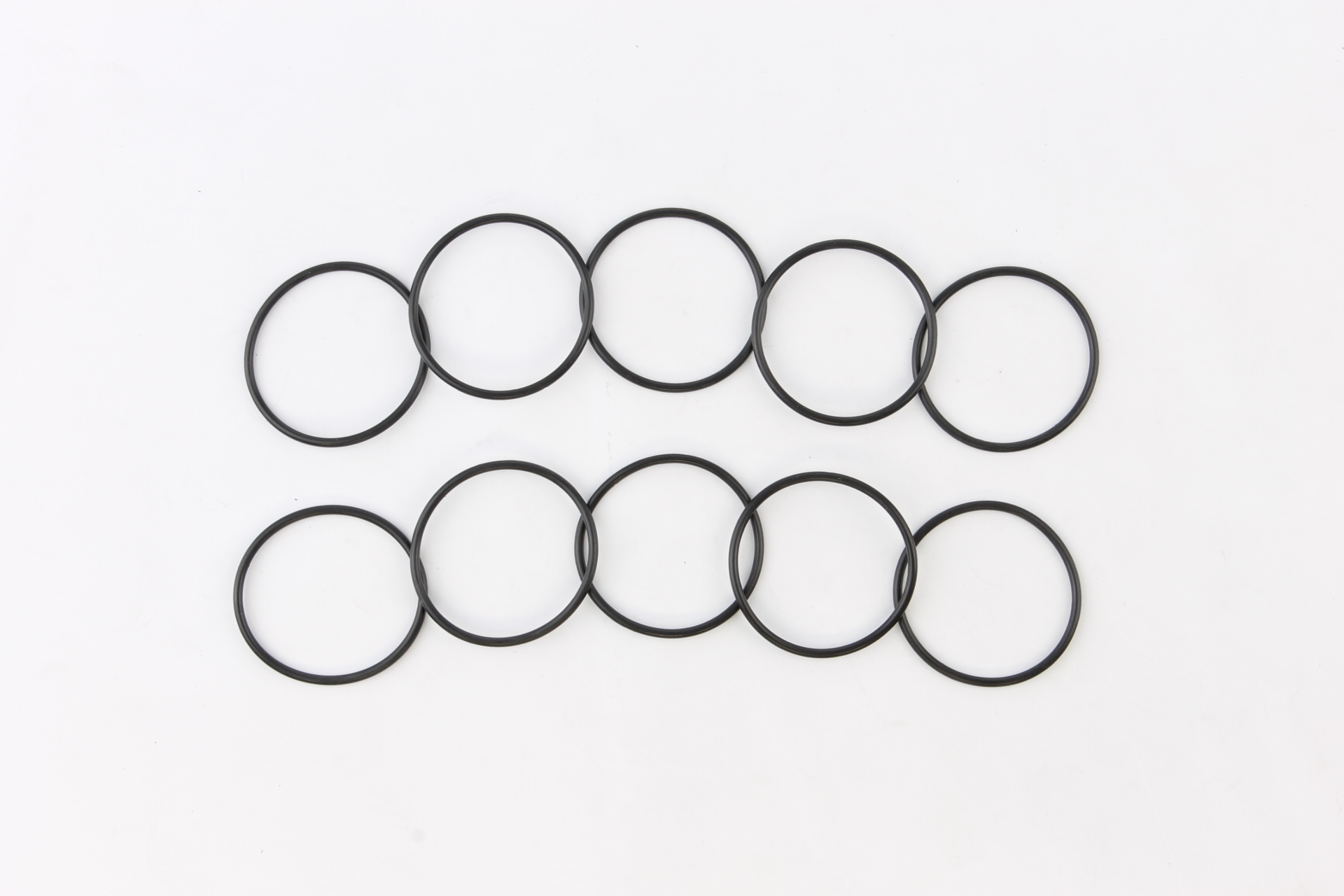 Representative Photo, actual item may vary

 Representative Photo, actual item may vary
 Representative Photo, actual item may vary
 Representative Photo, actual item may vary

 Representative Photo, actual item may vary
What Are Gaskets, Seals & O-Rings?
Gaskets, seals, and O-rings are the unsung heroes of any mechanical or heating system. These small but critical components form the barriers that prevent fluids, gases, and combustion byproducts from escaping where they shouldn't — keeping systems efficient, safe, and operating at peak performance. Whether you're maintaining a residential boiler, servicing a commercial water heater, or repairing an HVAC unit, the integrity of every seal matters.
Gaskets are flat components placed between two mating surfaces to create a leak-proof joint. They excel in static applications like pipe flanges, heat exchanger plates, burner assemblies, and engine housings, where two surfaces are bolted tightly together. O-rings, by contrast, are circular, torus-shaped seals that compress inside a groove to block the movement of fluid or gas between two parts. Their simple geometry makes them highly cost-effective and remarkably reliable across both static and dynamic applications, from hydraulic systems to refrigerant lines. Seals is the broader term encompassing both, as well as specialty lip seals, shaft seals, and door seals designed for specific equipment configurations.
Why Replacing Gaskets and Seals Matters
A failed gasket or worn O-ring is rarely a minor inconvenience. In heating systems, a deteriorated burner gasket can allow flue gases to escape, posing both efficiency and safety risks. In HVAC systems, a cracked refrigerant O-ring leads to coolant loss and eventual compressor failure. In boilers and water heaters, leaking flange gaskets reduce thermal efficiency and accelerate corrosion of surrounding components.
Using OEM or OEM-equivalent replacement parts is essential when servicing these systems. Aftermarket gaskets that don't match the precise material formulation or dimensional tolerances of the original can fail prematurely — or worse, fail silently while allowing dangerous leakage. Material selection matters enormously: EPDM compounds excel in water and steam environments, nitrile (Buna-N) materials resist petroleum-based fluids, and neoprene blends offer flame-retardant properties valuable in refrigeration and HVAC applications.
What to Look for When Shopping Gaskets, Seals & O-Rings
- OEM compatibility: Always verify the part number against your equipment's model and serial number for exact fitment.
- Material type: Match the gasket or O-ring material to the operating environment — high heat, steam, refrigerant, or petroleum exposure each demands a different compound.
- Application (static vs. dynamic): Gaskets are best for stationary bolted joints; O-rings handle both static and moving-part applications.
- Kit vs. individual parts: Gasket kits that bundle multiple sealing components are ideal for full service intervals, ensuring no worn seal is left behind during disassembly.
- Temperature and pressure ratings: Confirm the component is rated for the maximum operating conditions of your specific equipment.
Top Brands in Gaskets, Seals & O-Rings
Lochinvar is a highly respected name in energy-efficient water heating and boiler technology, with roots going back to 1939. Their OEM gaskets and seals are engineered specifically for their line of condensing boilers and water heaters — including the Knight and Crest series — ensuring precise fitment across burner assemblies, heat exchangers, blower housings, and door components. When servicing Lochinvar equipment, using genuine Lochinvar gaskets and seal kits is the most reliable way to maintain system integrity and prevent costly downtime.