



Air / Fuel Ratio Gauge Wiring Harness
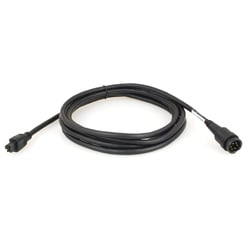

What Is an Air / Fuel Ratio Gauge Wiring Harness?
An air/fuel ratio (AFR) gauge wiring harness is the dedicated electrical backbone that connects your AFR gauge to the vehicle's power supply, ground, and oxygen sensor signal. Without a properly matched wiring harness, even the most sophisticated wideband gauge is little more than a decorative dashboard piece. The harness routes controlled 12-volt power, a clean chassis ground, and sensor signal leads from the engine bay into the cabin, allowing the gauge to display real-time combustion data where the driver can act on it.
Why does this matter? Air/fuel ratio gauge wiring harnesses are a critical but often overlooked component of any AFR monitoring system. A poor or improvised wiring connection introduces voltage drops, ground offsets, and interference that can corrupt sensor readings and lead to dangerous tuning decisions. Running too lean can result in detonation and serious engine damage, while running too rich wastes fuel and robs the engine of power. Accurate, noise-free wiring is what separates reliable data from misleading numbers.
How AFR Gauge Wiring Harnesses Work
Most AFR gauge harnesses consist of two sub-circuits. The first is the power and I/O harness, which connects to a switched or constant 12-volt source, a solid chassis ground, and any analog output leads that feed data to an external logger or engine management system. The second is the sensor harness, which runs from the wideband oxygen sensor mounted in the exhaust to the gauge's controller. Together, these harnesses complete the circuit that allows the gauge to heat the sensor element, interpret the sensor's output signal, and translate that signal into a numerical AFR reading in real time.
Proper routing matters as much as proper connections. Harness wires should pass through grommeted firewall openings to prevent chafing, be kept away from ignition components that generate electromagnetic interference, and be secured with high-temperature-rated hardware near the exhaust. A dedicated fused circuit for power is strongly recommended over tapping into an existing one, as the wideband sensor's heater element can draw significant current — especially during cold starts.
What to Look for When Shopping
- OEM-style connectors: Plug-and-play connectors designed for specific gauge and controller pairings eliminate the risk of miswiring and make future servicing straightforward.
- Wire gauge and insulation rating: Look for harnesses with appropriately rated insulation that can handle underhood temperatures and resist abrasion over thousands of miles.
- Analog output compatibility: If you plan to feed AFR data to a standalone ECU, data logger, or handheld tuner, confirm the harness includes a compatible analog signal output wire.
- Length and routing flexibility: Harness length should be sufficient to reach from the sensor location in the exhaust to the gauge location in the cabin without splicing.
DiabloSport AFR Gauge Wiring Harnesses
DiabloSport is a well-established name in the performance tuning world, known for producing ecosystem-friendly accessories that integrate seamlessly with their own tuning hardware. DiabloSport, founded in 2000 and now part of the Holley Performance Products family, builds its accessories — including AFR gauge wiring solutions — to work in concert with devices like the Trinity 2 and inTune i3. Their EAS (Edge Accessory System) wiring accessories are designed as plug-and-play solutions that connect a wideband O2 controller's signal output directly to compatible DiabloSport monitors, enabling AFR data logging and live display without cutting factory wiring.