



Pyrometer Sensor

AutoMeter 5249 Type K Thermocouple Kit with Closed Tip and 10ft Cable

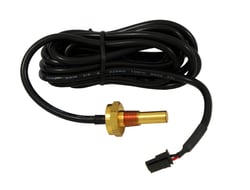
Innovate Motorsports 15-0049 Replacement Temperature Sender Thermistor for MTX-D Gauges


AutoMeter 5251 Type K Thermocouple Pyrometer Probe 3/16" Closed Tip


Longacre Racing Products 52-43500 Temperature Sensor 280°F SMI with Quick Disconnect Lead & Fitting


AutoMeter 5243 Type K Thermocouple Kit with Compression & Weld Boss
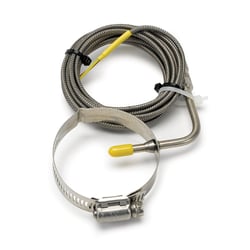
AutoMeter 5247 Type K Thermocouple Kit 3/16" Closed Tip Pyrometer Probe

AutoMeter 5246 Type K Thermocouple Pyrometer Probe 3/16 Inch Open Tip 10 Foot
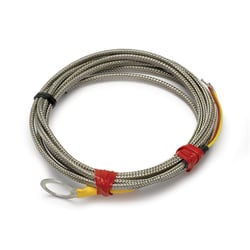
AutoMeter 5248 Type K Thermocouple Spark Plug Mount Cylinder Head Temperature Probe


AutoMeter 5245 Type K Thermocouple Probe 1/4" Diameter Open Tip 10 Ft


AutoMeter 5250 Type K Thermocouple Intake Temperature Probe 1/8 Inch Open Tip
What Is a Pyrometer Sensor?
A pyrometer sensor — commonly called an EGT (Exhaust Gas Temperature) sensor — is a thermocouple-based probe installed in a vehicle's exhaust system to continuously measure the temperature of exhaust gases leaving the engine. By feeding live temperature data to a gauge or data logger, it gives drivers and tuners a critical window into what's happening inside the combustion process in real time.
Why Exhaust Gas Temperature Monitoring Matters
Exhaust gas temperature is one of the most telling indicators of engine health and tune quality. Pyrometer sensors are especially vital for turbocharged and turbo-diesel applications, where unchecked EGT spikes can cause catastrophic damage — including melted pistons, cracked cylinder heads, and destroyed turbochargers. Monitoring EGT allows a driver to catch these danger signs before serious harm occurs.
Beyond damage prevention, EGT data is a powerful tuning tool. Because exhaust temperatures shift predictably with changes in the air-fuel ratio, a pyrometer sensor helps tuners identify whether an engine is running lean or rich, and dial in fueling and boost pressure accordingly. For diesel truck owners who tow or haul heavy loads over long distances, a pyrometer sensor is often considered essential safety equipment.
Excessive exhaust temperature can stem from a range of causes: over-throttling, a clogged air filter, fueling system faults, altitude changes, or simply an engine that's out of tune. Whatever the root cause, a quality EGT sensor flags the problem early — before it becomes an expensive repair.
What to Look for When Shopping Pyrometer Sensors
- Temperature Range: Most automotive pyrometer sensors cover 0–1,500°F or 0–2,400°F. Match the range to your application — high-performance diesel trucks and forced-induction builds may demand the higher end.
- Thermocouple Type: Type K thermocouples are the most common in automotive EGT applications, offering a good balance of accuracy, durability, and wide temperature range.
- Thread Size: Ensure the sensor's NPT thread size matches your exhaust bung or bung kit — 1/8-27 NPT is a frequent standard.
- Integration: Some sensors are designed to plug directly into a specific gauge or data logging system. Verify compatibility before purchasing, particularly for brand-ecosystem products.
- Build Quality: The sensor lives in a harsh, corrosive, high-heat environment. Look for stainless steel braided cables, weatherproof connectors, and proven durability.
Top Pyrometer Sensor Brands
Innovate Motorsports is a respected name in engine monitoring and wideband technology, and their EGT sensor offerings integrate seamlessly with their broader line of multi-channel data logging systems — making them a natural choice for performance enthusiasts who want comprehensive sensor suites. Bully Dog brings its expertise in diesel performance tuning directly to the pyrometer category, offering EGT sensors that pair well with their popular tuners and monitors for diesel truck owners. Racepak is a staple in professional and amateur motorsports data acquisition, and their pyrometer sensors are built to integrate with their IQ3, V300SD, and other advanced data loggers used on the track. AutoMeter is a long-trusted manufacturer of performance gauges and the sensors that drive them, known for precision and broad vehicle compatibility. Rounding out the lineup, Longacre Racing Products serves the circle track and road racing community with pyrometer sensors designed to deliver reliable readings under the demanding conditions of competitive motorsport.