



Metal Cutting Oil



What Is Metal Cutting Oil and Why Does It Matter?
Metal cutting oil is a specialized lubricant engineered specifically for metalworking operations such as drilling, tapping, threading, reaming, and broaching. Unlike general-purpose motor oils or household lubricants, cutting oil is purpose-formulated to handle the extreme conditions that arise when a tool engages metal — conditions that ordinary oils simply cannot address.
When a drill bit, tap, or rotary cutter contacts a metal workpiece, enormous amounts of heat and friction are generated in a very small area. Without the right fluid, this heat can warp the workpiece, dull cutting edges prematurely, and even cause chip welding — where metal fragments fuse to the cutting tip, destroying it outright. Metal cutting oil solves these problems through three core functions: lubrication, cooling, and chip evacuation.
How Metal Cutting Oil Works
A quality cutting oil forms a protective film between the cutting tool and the workpiece, minimizing wear and preventing surface damage. It keeps the cutting zone at a stable temperature, which is critical when working to close tolerances. It also helps flush away metal chips and debris, ensuring a clear cutting path and reducing the risk of chip buildup that can ruin a surface finish or snap a tap.
Most cutting oils fall into two main categories: straight oils and soluble oils. Straight oils are undiluted mineral- or petroleum-based fluids that excel as lubricants in slower, heavy-duty operations such as deep drilling, gear cutting, and broaching — applications where extreme-pressure (EP) additive performance matters most. Soluble oils, on the other hand, are oil concentrates mixed with water to form an emulsion, offering excellent cooling suited to high-speed CNC machining and general-purpose operations. Many formulations also include sulfur or chlorine-based EP additives for additional anti-weld protection on tough ferrous metals, though it's worth noting that active sulfur compounds can stain aluminum and brass — so always match the oil to your workpiece material.
Choosing the Right Cutting Oil
Selecting the right cutting oil depends on both the machining process and the material being worked. Hard, low-machinability metals like stainless steel typically call for a straight oil with robust EP additives, while softer, ductile metals like aluminum are better served by soluble or non-staining oils. The form factor also matters: liquid oils work well for flood cooling and drill press applications, while paste or gel formulations cling to vertical surfaces and slow-speed hand operations like tapping, where fluid tends to run off quickly.
Proper application technique is equally important — the oil should reach the actual point of contact between the tool and the workpiece before cutting begins, and it should be applied generously enough to maintain a consistent lubrication film throughout the operation.
Top Brands in Metal Cutting Oil
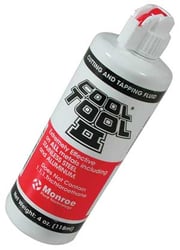
SPC Performance brings its precision-engineering heritage to the cutting fluid category with its Cool Tool II Cutting and Tapping Fluid — a shop-floor staple specifically formulated to lubricate rotary file sets, rotor-bores, hole-saws, and cutters, reducing stress on cutting teeth and prolonging the life of all cutting bits used on steel.