



Turbocharger Boost Control Valve
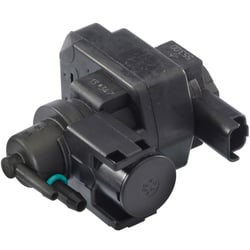


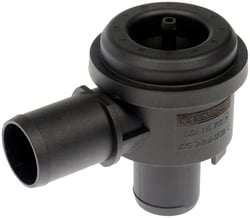
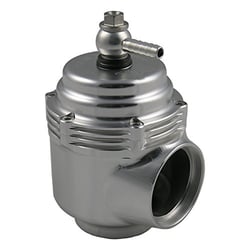

 Representative Photo, actual item may vary



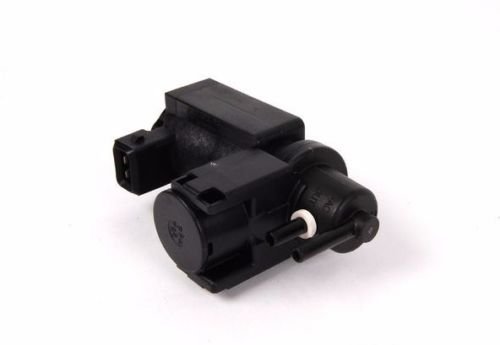 Representative Photo, actual item may vary

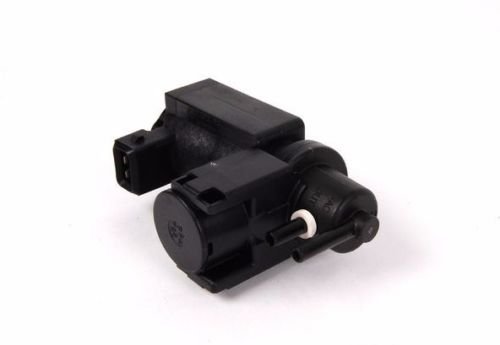 Representative Photo, actual item may vary
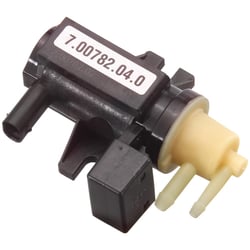

Hella 7.00782.11.0 Turbo Boost Pressure Transducer Sensor
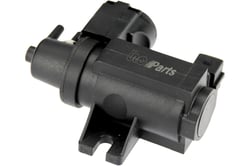
What Is a Turbocharger Boost Control Valve?
Turbocharger boost control valves are among the most critical — and most overlooked — components in any forced-induction engine. Simply put, a turbocharger boost control valve is a mechanical or electronic device that regulates the amount of boost pressure a turbocharger generates by managing the flow of exhaust gases through the turbo's turbine. Think of it as a pressure-relief mechanism: when boost climbs above the safe threshold calibrated for your engine, the valve modulates to redirect exhaust gas away from the turbine, bringing pressure back into a safe range before damage can occur.
How Does a Boost Control Valve Work?
Modern boost control valves operate in close partnership with your engine control module (ECM). The ECM continuously monitors real-time engine conditions — load, RPM, and throttle position — and sends signals to the valve, which in turn controls the pneumatic pressure reaching the turbocharger's wastegate. By varying how much pressure reaches the wastegate diaphragm, the valve determines whether the wastegate stays closed (allowing boost to build) or opens (bypassing exhaust gas to reduce turbine speed and lower boost). This constant modulation happens many times per second, producing a smooth, controlled boost curve rather than a dangerous on-off spike.
On vehicles equipped with variable geometry turbochargers, the boost control valve takes on an even more sophisticated role — helping to position the movable vanes inside the turbocharger to optimize exhaust flow and boost delivery across a broad RPM range, improving both performance and fuel efficiency at different engine speeds.
Why a Functioning Boost Control Valve Matters
The consequences of a failing boost control valve are serious. A valve that sticks open can cause low or absent boost pressure, resulting in a dramatic loss of engine power and sluggish acceleration. A valve that fails closed — or loses the ability to vent excess pressure — can allow dangerous overboosting, which can warp cylinder heads, blow head gaskets, crack pistons, or damage the turbocharger itself. Common warning signs of a failing valve include reduced engine power, poor throttle response, and a check engine light flagging turbocharger performance codes.
Routine inspection of the boost control valve, along with its connected pneumatic lines and electrical connectors, is a smart part of any turbocharged engine's maintenance schedule. Carbon buildup and corrosion are the most common culprits behind valve degradation over time.
Choosing the Right Boost Control Valve
When shopping for a replacement boost control valve, OEM fit and electrical compatibility are paramount. The valve must match your vehicle's ECM interface — whether PWM, analog, or digital — and be rated for the heat and pressure conditions of your specific turbo system. A proper fitment ensures the ECM can communicate with the valve accurately, keeping boost on target and your engine protected.
Hella is the leading brand in this category, bringing decades of OEM-level engineering expertise to their boost control valve lineup. Hella's valves are engineered to exacting OEM standards, offering precise wastegate actuation with interfaces including PWM, analog, and SENT with temperature display — making them a trusted choice for European vehicles including Audi, BMW, Mercedes-Benz, and Volkswagen platforms.