



Diagnostic Test Connector
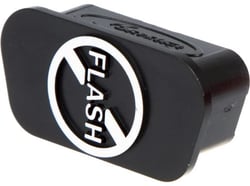

What Is a Diagnostic Test Connector?
Diagnostic test connectors are the physical interface between a vehicle's on-board electronics and the scan tools or diagnostic equipment used to read, interpret, and clear fault information. Also known as a Data Link Connector (DLC), this component is the gateway that lets technicians and enthusiasts communicate directly with a vehicle's brain.
At its core, the diagnostic test connector is a standardized multi-pin plug. As defined by the SAE J1962 standard, OBD-II connectors feature a 16-pin layout, with specific pins dedicated to power, ground, and various communication protocols. The connector bridges an external scan tool to the vehicle's Engine Control Unit (ECU) and other control modules, enabling a two-way exchange of real-time data — everything from engine RPM and coolant temperature to stored Diagnostic Trouble Codes (DTCs).
Why Diagnostic Test Connectors Matter
When a vehicle's check-engine light illuminates, the ECU has already logged a fault code in its memory. The diagnostic test connector is the physical link that passes that code to a scan tool, allowing a mechanic or DIY enthusiast to pinpoint the problem accurately. Without a functioning connector, that critical communication channel is broken — meaning even the most capable scan tool cannot retrieve data or run diagnostic routines.
Beyond fault reading, the OBD-II port enables monitoring of live sensor data, freeze-frame captures of vehicle parameters at the moment a fault occurred, and even ECU reprogramming in advanced applications. A damaged, corroded, or missing diagnostic test connector can make it impossible to complete emissions testing, pass state inspections, or diagnose drivability problems efficiently.
What to Look For When Shopping Diagnostic Test Connectors
- Correct pin count and gender: Most modern OBD-II connectors use a 16-pin female receptacle on the vehicle side. Verify the lead count and gender before purchasing.
- OEM vs. aftermarket fit: OEM-spec connectors are engineered to match the exact terminal layout and wiring harness of a specific vehicle, eliminating fitment guesswork.
- Material and terminal quality: Look for connectors with corrosion-resistant terminals and robust housing to ensure a secure, long-lasting connection.
- Vehicle compatibility: Diagnostic test connectors are vehicle-specific. Always verify the part number against your year, make, and model before ordering.
Top Brands for Diagnostic Test Connectors
When it comes to diagnostic test connectors for Ford, Lincoln, and Mercury platforms, Motorcraft is the benchmark. As the OEM parts brand designed, engineered, and recommended by Ford Motor Company, Motorcraft diagnostic test connectors are built to exact factory specifications and have undergone extensive laboratory and on-road testing to ensure proper fit and reliable communication with Ford's vehicle electronics.