



Power Steering Line
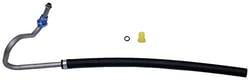

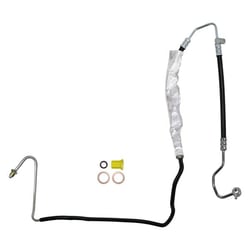
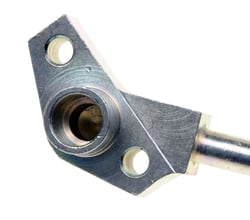


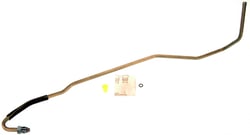


 Representative Photo, actual item may vary


 Representative Photo, actual item may vary
 Representative Photo, actual item may vary
 Representative Photo, actual item may vary
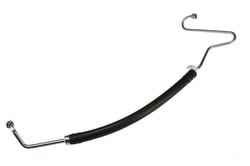
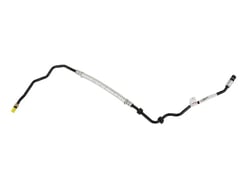
URO 107-997-31-82 Power Steering Hose Pump to Steering Box


 Representative Photo, actual item may vary

Gates 365679 Power Steering Hose Assembly 14mm Banjo Ends 69.125 Inch


 Representative Photo, actual item may vary
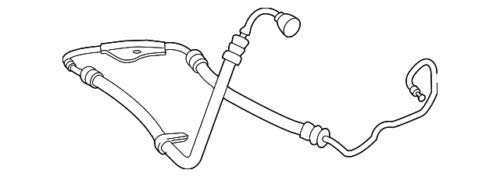
Genuine Porsche 944-347-449-07 Power Steering Return Line Rack to Reservoir

 Representative Photo, actual item may vary
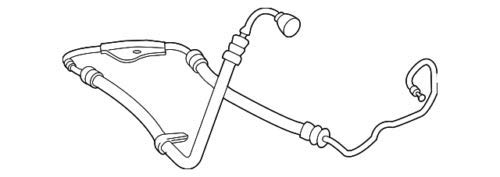
Genuine Mercedes 463-466-02-81 Power Steering Hose Cooling Pipe to Steering Gear
 Representative Photo, actual item may vary
Genuine BMW 32-41-6-796-355 Power Steering Radiator Return Hose E60 E61


 Representative Photo, actual item may vary

 Representative Photo, actual item may vary


 Representative Photo, actual item may vary
 Representative Photo, actual item may vary
 Representative Photo, actual item may vary
 Representative Photo, actual item may vary
 Representative Photo, actual item may vary
 Representative Photo, actual item may vary
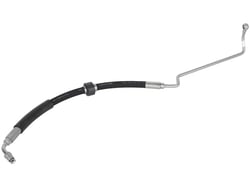
Genuine Porsche 928-347-447-10 Power Steering Pressure Line Pump to Rack
 Representative Photo, actual item may vary
 Representative Photo, actual item may vary

What Are Power Steering Lines and Why Do They Matter?
Power steering lines are one of the most important — and most overlooked — components in a hydraulic power steering system. Power steering lines serve as the circulatory network of the entire steering system, carrying pressurized hydraulic fluid between the pump, the steering gear, and the reservoir. Without functioning lines, even a perfectly healthy pump and steering rack are rendered useless.
To understand why these lines matter, it helps to understand how hydraulic power steering works. The power steering system uses a pump driven by the engine to pressurize hydraulic fluid, which is then directed to the steering gear to assist the driver in turning the wheels with minimal effort. The lines are what make that fluid transfer possible — and they have to do it reliably under extreme conditions.
Pressure Lines vs. Return Lines
There are two main types of power steering lines in a hydraulic system. The high-pressure line (also called the pressure hose) carries fluid from the pump to the steering gear under intense pressure. The return line is a lower-pressure hose that sends fluid back from the steering gear to the reservoir. Because every engine exhibits a degree of movement in the motor mounts, the lines must include flexible rubber sections to absorb that motion without cracking or leaking. On modern vehicles, these lines are often engineered with very specific lengths and routing paths — sometimes incorporating pre-bent metal tubing — to navigate tight engine compartments without interfering with other components.
Power steering lines are typically made from high-quality rubber, reinforced braided hose, or metal tubing, and must withstand both high hydraulic pressures and the heat generated in the engine bay. Over time, exposure to heat cycles, road debris, and age can cause hoses to crack or fittings to loosen, resulting in fluid leaks. Telltale signs of failing lines include a noticeable drop in power steering fluid levels, a whining noise when turning the wheel, or increased steering effort.
What to Consider When Replacing Power Steering Lines
- Material and construction: Rubber hoses are common for factory replacements, while braided stainless steel or reinforced hoses are popular for performance or engine-swap builds that demand durability under higher pressures.
- High-pressure vs. return: The pressure hose requires a more robust construction than the return line. Mismatching these can lead to premature failure.
- Fitment and routing: Always ensure the replacement line matches the original length, bend radius, and fitting type. Hoses that are too long or too short can rub on other components and wear through prematurely.
- Hardware and fittings: Some line replacements require new O-rings, banjo bolts, or AN-style adapters. Having the correct fittings on hand before installation avoids delays and ensures a leak-free connection.
- Engine swap compatibility: If you're building a custom or engine-swapped vehicle, off-the-shelf OEM lines rarely fit. Seek purpose-built hardline kits or bulk hose that can be cut and routed to suit your specific setup.
Top Brands in Power Steering Lines
Holley is a leading name in performance power steering plumbing, offering a broad range of hardlines, flexible hoses, adapters, and remote reservoir components designed with custom builds and engine swaps in mind. Holley's power steering line catalog is particularly well-regarded among enthusiasts working with LS, LT, and Gen III Hemi engine swaps, where factory lines simply won't fit.