



Steering Bump Steer Assembly

Whiteline Suspension KCA313 Roll Center/Bump Steer Correction Kit



Whiteline Suspension KCA435 Roll Centre/Bump Steer Correction Kit

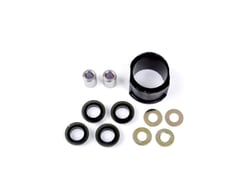

Whiteline KCA517 Front Bump Steer Correction Kit - Steering Performance Upgrade


QA1 BC02 Bump Stop Kit 1.900" OD .875" Length 70 Durometer with Washer


QA1 BC01 Compression Bump Stop Kit 1.625" OD x 3.190" 88 Durometer with Washer

Torque Solution TS-POR-017 Front Toe Bump Steer Kit Porsche 996 997 991 Boxster Cayman


Flaming River FR1619MU Bump Steer Kit for 65-70 Mustang with Granada Spindle

What Is Bump Steer and Why Does It Matter?
Bump steer is one of the most misunderstood — yet most consequential — phenomena in vehicle dynamics. Steering bump steer assemblies exist to correct it, but first it helps to understand what's actually happening. Simply put, bump steer is the tendency of a wheel to steer itself as it moves through the suspension stroke, without any input from the driver. When a wheel rolls over a bump or dips into a rut, the suspension compresses or extends — and if the steering linkage geometry isn't properly aligned with that motion, the wheel toes in or out on its own, causing the vehicle to dart unexpectedly.
The root cause lies in mismatched arcs: the tie rods and the suspension control arms travel through different paths during wheel travel. When these arcs aren't parallel, the difference in movement gets translated into an unintended steering input at the wheel. On a front-steer setup, this typically results in toe-out under compression; a rear-steer layout tends to produce toe-in. Either way, the driver has to constantly correct for a car that feels twitchy, unpredictable, or reluctant to hold a line — especially on bumpy roads or through fast corners.
When Does Bump Steer Become a Problem?
Bump steer can become a serious issue whenever a vehicle's ride height is changed from the factory specification. Lowering a car shifts the suspension geometry out of its designed operating range, which often increases the angular mismatch between the tie rod and control arm arcs. Similarly, lifting a vehicle, installing coilovers, or simply running a heavily worn spring can all alter where the suspension geometry operates — and how much bump steer results. Even hard braking can trigger it, as the front end dives sharply and puts the geometry through compression travel it wasn't designed to handle at that ride height.
The consequences go beyond driver annoyance. Excessive bump steer accelerates tire wear, raises tire temperatures, causes the vehicle to follow road imperfections like cracks or ruts, and makes the car significantly harder to manage at speed. In track or autocross settings, uncorrected bump steer can be the difference between a confident, consistent lap and one filled with unwanted oversteer or understeer moments.
Bump Steer Correction Kits: What's Included and How They Work
Bump steer correction kits restore proper steering geometry by adjusting the height, length, or angle of the tie rod ends to bring them back into alignment with the control arm arcs. Most kits include replacement tie rod ends, spindle studs, adjustment spacers or shims, and the hardware needed to relocate the outer tie rod end to its corrected position. Some kits specifically address roll center correction as well — raising the front roll center on lowered vehicles to reduce body roll and understeer while simultaneously dialing out bump steer. After installation, a proper wheel alignment and suspension check is always recommended to dial in final toe settings.
Top Brands for Steering Bump Steer Assemblies
Whiteline Suspension is a globally recognized leader in bump steer correction, offering vehicle-specific kits engineered with specially designed ball joints and tie rod ends to correct both roll center geometry and bump steer simultaneously. Their kits are a go-to solution for lowered performance and import vehicles across a broad range of makes and models.
QA1 Precision Products brings an American muscle and race-car focus to the category, with bump steer kits built around premium chromoly steel X-Series rod ends and black anodized aluminum adjusting sleeves. Their direct bolt-in designs cover popular platforms like Fox-body and SN95 Mustangs, GM F-Body, and Silverado/Sierra trucks — making them a trusted name for enthusiasts correcting lowered or modified domestic vehicles.