



Distributor Mechanical Advance



What Is Distributor Mechanical Advance?
At the heart of every classic distributor-based ignition system lies a deceptively simple but critically important mechanism: the mechanical advance. Mechanical advance — also called centrifugal advance — is the system inside your distributor that automatically advances ignition timing as engine speed rises. As RPM climbs, centrifugal force pushes weighted arms outward, rotating the trigger mechanism and causing the spark plugs to fire earlier in the compression stroke. The result is that combustion pressure peaks at precisely the right moment as engine speed increases.
Understanding this system requires a look at the three pillars of distributor-based timing: initial (base) timing, mechanical advance, and vacuum advance. While initial timing sets where the spark fires at idle, distributor mechanical advance takes over as RPM builds. As noted by ignition experts, mechanical advance systems generally add between 20 and 30 degrees of timing on top of the base setting, bringing total advance to an optimal level for peak power.
How Mechanical Advance Components Work
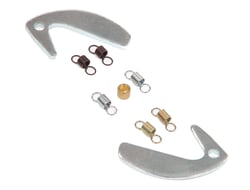
Inside the distributor, a set of advance weights and return springs controls the timing curve — the rate at which advance is added as RPM increases. The weights pivot outward due to centrifugal force, while the springs resist that movement. This tug-of-war between weight and spring tension determines when and how quickly full advance is reached. Heavier weights or lighter springs bring in advance earlier, while heavier springs delay it. Small stop bushings limit total advance travel, protecting the engine from over-advance that can cause detonation and damage.
For many performance builds on classic V8s and muscle cars, the factory spring and weight combination is a compromise designed for emissions and driveability — not maximum power. Swapping in an aftermarket mechanical advance kit lets tuners tailor the advance curve to their specific engine combination, fuel, and camshaft. Done correctly, optimizing the advance curve can unlock meaningful gains in torque and throttle response without a single change to carburetor jetting or cam timing.
What to Consider When Shopping Distributor Mechanical Advance Parts
- Distributor Compatibility: Advance kits are typically designed for specific distributor families — GM HEI, Ford, Mopar, or MSD Pro-Billet. Always verify fitment before purchasing.
- Spring Weight: Spring sets are usually color-coded by tension. Lighter springs bring advance in sooner (better for performance cams and race use); heavier springs slow the curve for streetability.
- Stop Bushings: Aftermarket brass or nylon bushings replace factory rubber ones to more precisely limit total advance travel and offer greater durability.
- Complete Kits vs. Spring-Only Kits: Some kits include only springs, while others add new advance weights, center plates, and bushings for a comprehensive refresh of the entire advance mechanism.
Top Brands for Distributor Mechanical Advance
Mr. Gasket is one of the most recognized names for distributor mechanical advance kits, offering spring kits and comprehensive curve kits for GM, Ford, and Mopar distributors. Their advance curve kits include multiple color-coded spring sets that allow builders to target full advance between 2,000 and 2,800 RPM, along with durable brass stop bushings that outlast the factory rubber equivalents — making them a go-to for budget-friendly but effective ignition tuning.
MSD brings the same race-proven engineering found in their Pro-Billet distributors to their mechanical advance kits. MSD advance kits include an assortment of springs, advance limit bushings, and a mechanical advance lockout screw, giving tuners maximum flexibility to dial in timing curves for street, strip, or circle track applications. Their kits are also available as direct replacements that restore a used distributor to like-new performance spec.