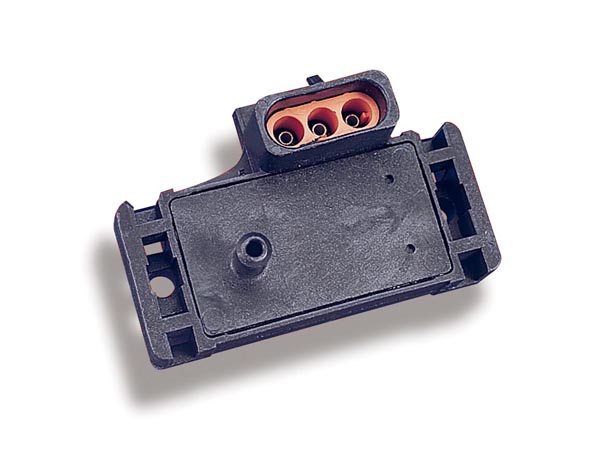
Manifold Absolute Pressure Sensor
Bosch 0281002401 Manifold Absolute Pressure MAP Sensor with Temperature Sensor
Bosch 0261230101 Manifold Absolute Pressure MAP Sensor OE Quality
Bosch 0281002177 Intake Manifold Pressure Temperature Sensor
Bosch 0261230236 Manifold Absolute Pressure (MAP) Sensor for Volvo
Bosch 0261230208 MAP Sensor - Manifold Absolute Pressure Sensor
What Is a Manifold Absolute Pressure (MAP) Sensor?
Manifold Absolute Pressure (MAP) sensors are among the most critical components in a modern fuel-injected engine's electronic control system. MAP sensors measure the pressure inside the intake manifold and convert that data into an electrical signal sent directly to the engine control unit (ECU). The ECU then uses this information to calculate air density, determine the engine's air mass flow rate, and set the correct fuel delivery and ignition timing for optimal combustion.
In short, the MAP sensor tells your engine how hard it is working at any given moment. Whether the engine is at idle, cruising at highway speed, or under heavy acceleration, the sensor continuously updates the ECU so it can make real-time adjustments — keeping the air-fuel ratio balanced, protecting fuel economy, and minimizing harmful emissions.
Why MAP Sensors Matter for Emission Control
Because the MAP sensor sits at the heart of your engine's emission control strategy, a faulty one can have wide-ranging consequences. A failing sensor can cause the ECU to miscalculate engine load, leading to a rich or lean air-fuel mixture. The downstream effects include rough idle, hesitation under acceleration, increased hydrocarbon and carbon monoxide emissions, and potential damage to the catalytic converter. On OBD-II equipped vehicles (1996 and newer), a malfunctioning MAP sensor will typically trigger diagnostic trouble codes in the P0105–P0109 range and illuminate the Check Engine light.
MAP sensors are also used in forced-induction applications — turbocharged and supercharged engines often rely on both a MAF sensor and a MAP sensor, with the MAP sensor monitoring post-turbo intake tract pressure to help the ECU manage boost conditions accurately.
What to Look for When Replacing a MAP Sensor
- OE Fit: A direct-fit replacement ensures the sensor plugs into your existing harness without modification and reads pressure within factory-specified tolerances.
- Output Type: MAP sensors output either an analog voltage signal or a digital frequency signal — confirm which type your vehicle requires before purchasing.
- Pressure Range: Stock naturally aspirated applications typically use a 1-bar sensor, while modified or forced-induction engines may require a 3-bar or 4-bar sensor to handle elevated boost pressures.
- Build Quality: Look for sensors engineered to withstand engine heat, vibration, and contamination — common causes of MAP sensor failure over time.
Top Manifold Absolute Pressure Sensor Brands
Standard Motor Products is one of the most trusted names in OE-quality engine management sensors. Their MAP sensors are precision-engineered direct replacements that accurately produce voltage or frequency signals as manifold pressure changes, giving the PCM the data it needs to control ignition timing and fuel delivery.
Walker Products brings over 75 years of sensor technology experience to their MAP sensor lineup. Their sensors feature exact OE fit and are built to withstand heat, vibration, and the contamination common in demanding engine environments.
Facet offers a focused selection of MAP sensors known for reliable signal output across a range of domestic and import applications, making them a practical choice for technicians and DIYers seeking dependable OE-style replacements.
Skunk2 approaches MAP sensors from a performance tuning perspective. Their high-bar-rating sensors — including 3-bar and 4-bar units — are engineered for Honda and other sport compact platforms running forced induction, allowing the ECU to accurately manage significantly higher boost pressures than a stock sensor could handle.