



Alignment Camber / Toe Lateral Link

Torque Solution TS-POR-003 Rear Toe Link Kit for Porsche 996/997/Cayman/Boxster

 Representative Photo, actual item may vary
Cusco 6A2 474 LA Rear Lateral Link Set Front Position Adjustable Pillowball

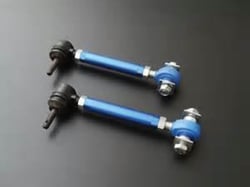
Cusco 692 474 LA Rear Lateral Links w/ Adjustable Pillowball Ends
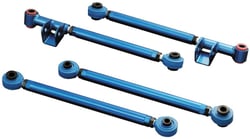
Cusco 666474LB Pillow Ball Rear Lateral Links Toe Adjustment
Cusco 672474LB Rear Lateral Links Pillow Ball Adjustable Toe
Cusco 116465A Adjustable Rear Lateral Links with Pillowball Ends


Cusco 660474LA Rear Pillow Ball Lateral Links Adjustable Toe
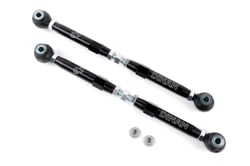
Dinan D280-0025 Rear Toe Links for BMW G-Series 230i/330i/430i/Z4/M240i/M340i/M440i

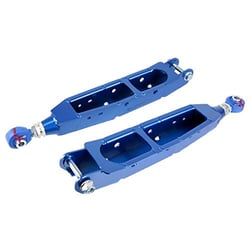
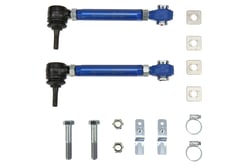
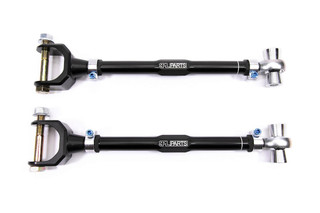 Representative Photo, actual item may vary

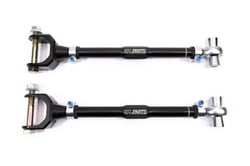


 Representative Photo, actual item may vary
Genuine Mercedes 463-330-07-07 Lateral Link Front Suspension Control Arm

What Is an Alignment Camber / Toe Lateral Link?
The alignment camber/toe lateral link is one of the most critical—and often overlooked—components in a modern independent suspension system. Lateral links are structural rods or arms that connect the wheel hub or knuckle to the vehicle's chassis, controlling the side-to-side position of the wheel during suspension travel. In doing so, they directly govern two of the three most important wheel alignment angles: camber and toe.
Camber describes the inward or outward tilt of the wheel when viewed from the front of the vehicle, while toe determines whether the front faces of the tires point toward or away from each other. Together, these angles define how your tires contact the road, how the vehicle tracks at highway speed, and how evenly tread wear is distributed across the tire surface. When a lateral link wears out, bends, or fractures, both camber and toe can shift dramatically — often without the driver noticing until tire wear becomes severe or handling feels vague and unpredictable.
Why Lateral Links Matter for Safety and Tire Life
Lateral links are common on modern multi-link rear suspensions and higher-performance front suspensions, where precise wheel location is essential for predictable handling dynamics. Because they bear both the weight of the vehicle and the lateral cornering forces generated during turns, these components are under constant stress. A worn or damaged lateral link can allow the wheel to shift position under load, causing alignment angles to wander outside of specification.
The consequences are tangible: incorrect camber causes uneven tire wear — too much negative camber wears the inner edge, while excessive positive camber attacks the outer edge. Misaligned toe, meanwhile, is among the fastest causes of tire wear of any alignment issue. Beyond tire costs, a fractured or failed lateral link can significantly diminish steering control, raising the risk of a serious accident. After any lateral link replacement, a full wheel alignment is required to restore proper geometry.
What to Look for When Replacing a Lateral Link
When shopping for a replacement lateral link, fit and construction quality are paramount. Look for parts that are precision-engineered to match the original equipment dimensions, ensuring the alignment geometry returns to factory specification once installed. Some lateral links come with pre-installed bushings or ball joints, which can simplify the repair. Pay close attention to the material and joining method of the link — factory designs on certain vehicles are known to develop weld fractures at the threaded shaft ends, so an improved one-piece design offers a meaningful durability upgrade over a straight OEM replacement.
Top Brands for Alignment Camber / Toe Lateral Links
Dorman is the leading name in replacement lateral links for a wide range of domestic and import vehicles. With over a century of aftermarket experience, Dorman has built a reputation for engineering solutions that go beyond simple OEM replication. Their OE FIX lateral links, for example, replace factory welded designs with solid one-piece steel castings to address known failure points — delivering a potentially more durable and reliable repair than the original part.