



Engine Coolant Pipe Gasket



What Is an Engine Coolant Pipe Gasket?
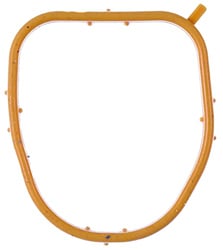
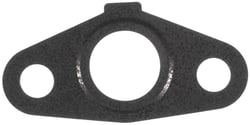
An engine coolant pipe gasket is a precision sealing component positioned at the junction between coolant pipes and other engine components — such as the engine block, thermostat housing, or water pump flange. Fundamentally, gaskets serve as seals intended to occupy the gap between two or more connecting surfaces, and in a cooling system, they prevent leaks by forming a tight seal that ensures coolant only flows where it should. Without a properly functioning coolant pipe gasket, even a minor leak can have serious downstream consequences.
Why Coolant Pipe Gaskets Matter
Gaskets serve more than just a sealing function — they must also endure extreme temperatures, high pressures, and constant contact with coolant and oil without deteriorating. Their durability and performance are crucial for ensuring an efficient cooling system.
Their primary function is to prevent coolant leakage and air ingress — air bubbles can cause overheating by blocking coolant flow, while leaks reduce coolant volume and compromise heat dissipation. A failed coolant pipe gasket can quickly snowball into a far costlier repair. A faulty gasket affects not only the cooling system but can also set off a chain reaction impacting the entire engine — for instance, coolant could leak into the combustion chamber, leading to reduced engine performance and increased emissions.
Regular inspections and timely replacements are key to avoiding costly repairs down the line. Most gaskets are designed to last for years, but they can still succumb to wear and tear. Common warning signs include visible coolant weeping around pipe connections, a sweet smell from the engine bay, or an unexplained drop in coolant reservoir level.
What to Look for When Shopping
Not all coolant pipe gaskets are created equal. Cooling gasket materials are selected based on compatibility with coolant, temperature resistance, and conformability to uneven surfaces. Rubber gaskets, often made of EPDM or nitrile, are common for hose connections due to their flexibility and chemical resistance, while composite gaskets combining rubber with metal cores offer enhanced strength for high-pressure areas. Always verify that the gasket you select is rated for your vehicle's specific coolant chemistry and operating pressures — an incompatible material can swell, crack, or degrade prematurely. Engine cooling gasket material compatibility is non-negotiable — poor material choice leads to swelling, cracking, or degradation, triggering leaks and system failure.
When replacing a coolant pipe gasket, it is equally important to clean mating surfaces thoroughly and follow the manufacturer's torque specifications. Even the highest-quality gasket will fail prematurely if installed on a warped or contaminated surface.
Top Brands for Engine Coolant Pipe Gaskets
Elring is one of the most trusted names in engine sealing. Founded in 1879 in Stuttgart, Germany, ElringKlinger began manufacturing its own gaskets in 1914, building more than a century of sealing expertise. Over the years, ElringKlinger has established itself as a leading name among European automotive manufacturers, with a reputation for innovation and reliability that has been key to its success. As a worldwide development partner and original equipment supplier of sealing systems, lightweight components, and shielding systems, ElringKlinger provides its products to almost all of the world's vehicle and engine manufacturers. Their coolant pipe gaskets reflect the same OE-grade engineering standards that have made the Elring brand a go-to choice for professional technicians and enthusiast mechanics alike.
Whether you are performing routine cooling system maintenance or tracking down a persistent leak, selecting a quality engine coolant pipe gasket from a proven manufacturer is the surest way to restore proper sealing and protect your engine for the long haul. Browse our full selection of engine coolant pipe gaskets and find the right fit for your vehicle today.