



Air Suspension Compressor



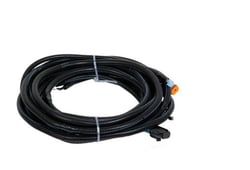


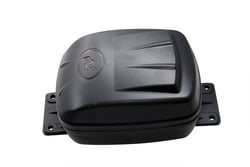
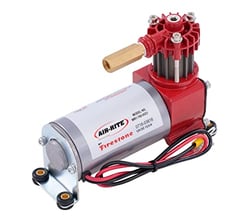
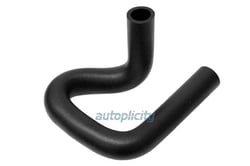


 Representative Photo, actual item may vary




 Representative Photo, actual item may vary

 Representative Photo, actual item may vary
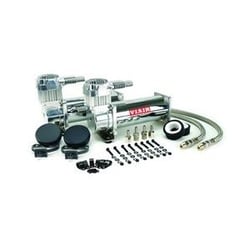
 Representative Photo, actual item may vary
Genuine BMW 37-20-5-A5D-5D5 Air Suspension Compressor Air Supply System


URO 37206875177 Air Suspension Compressor Pump Replacement
 Representative Photo, actual item may vary
Genuine Porsche 970-358-151-14 Air Suspension Compressor for Panamera

 Representative Photo, actual item may vary
Megan Racing MRC-BM-0401 Universal Air Ride Lowering Link Kit 10mm Ball Size 8-Piece

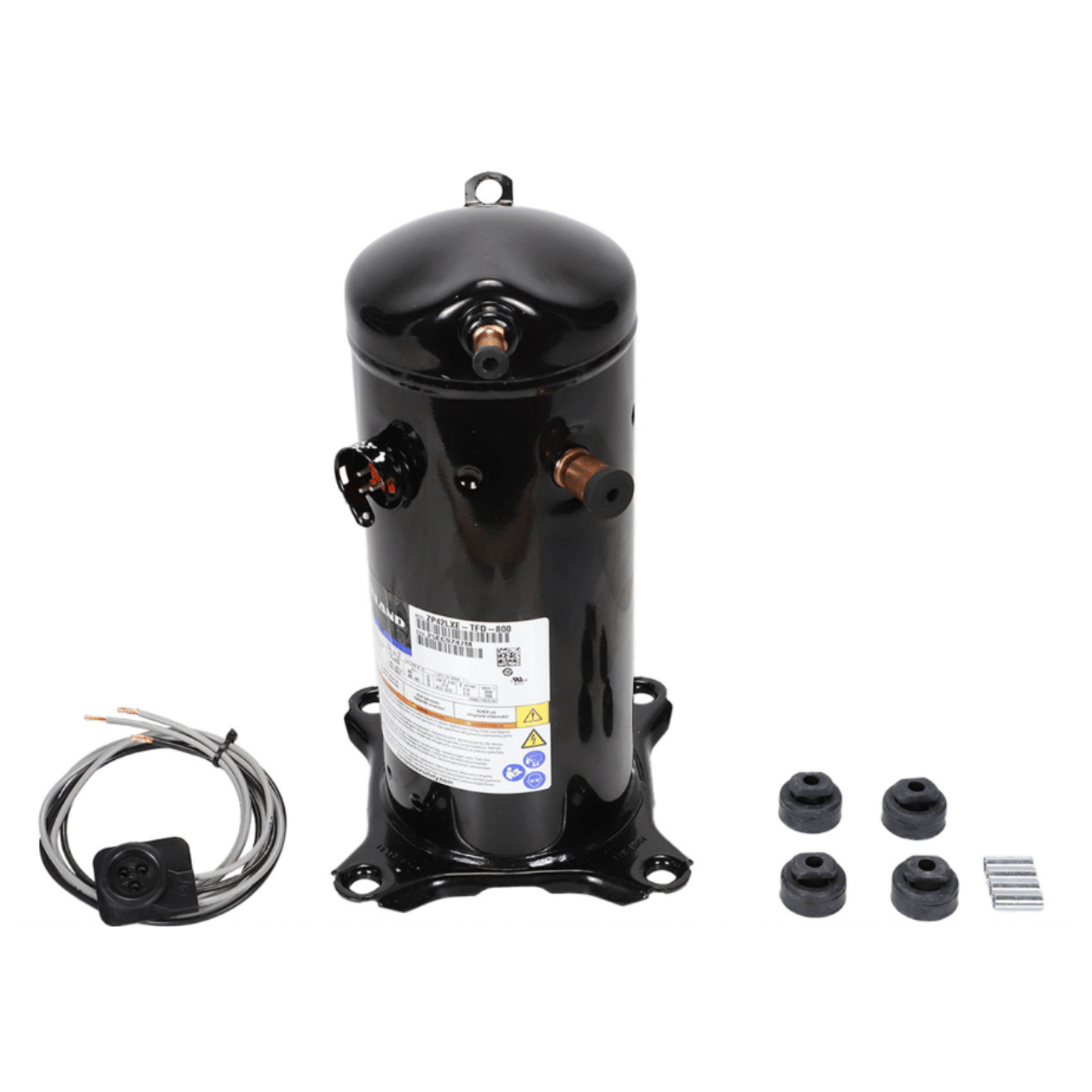 Representative Photo, actual item may vary



 Representative Photo, actual item may vary
Genuine Mercedes 164-327-01-45 Air Suspension Hydraulic Line Compressor to Valve
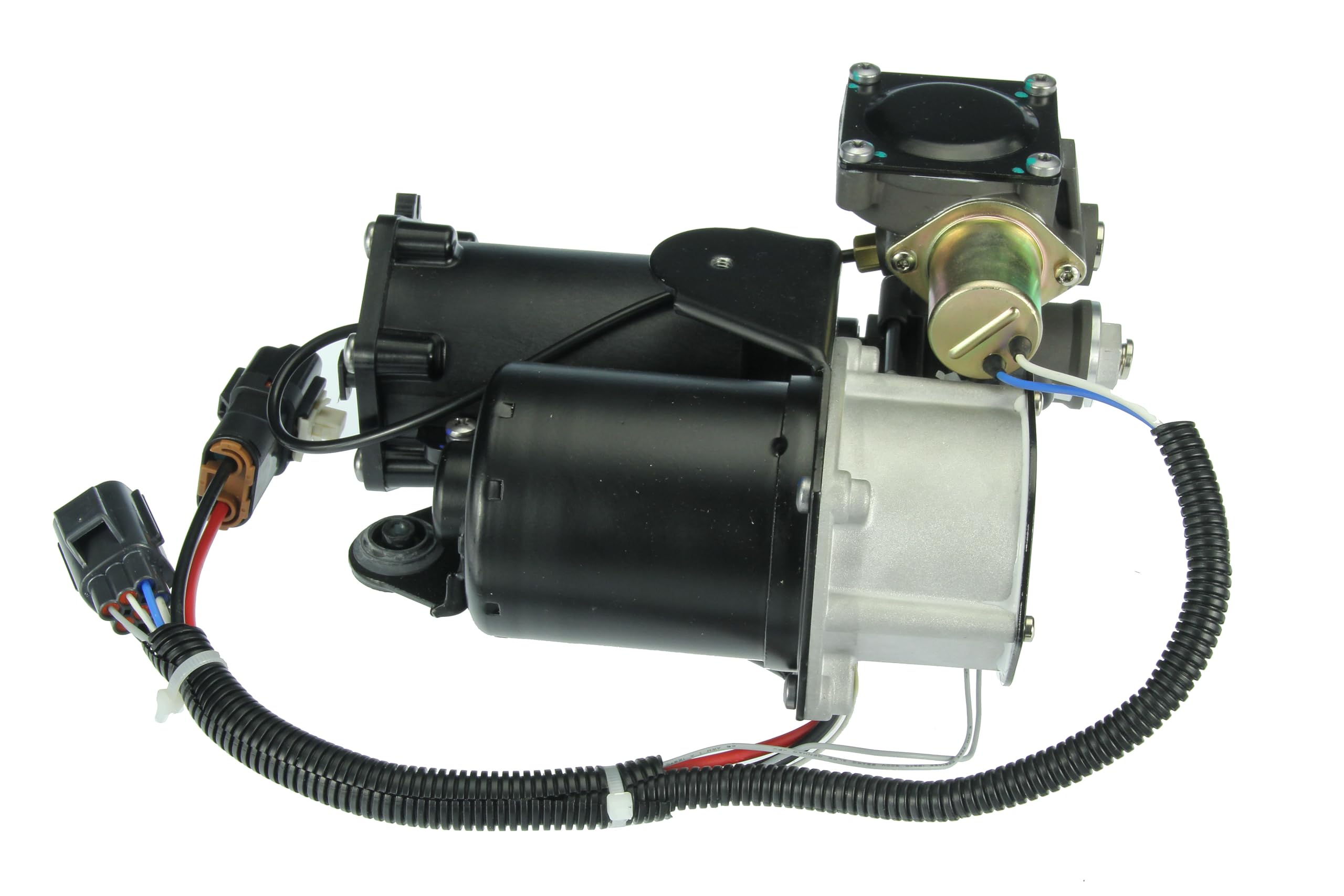 Representative Photo, actual item may vary



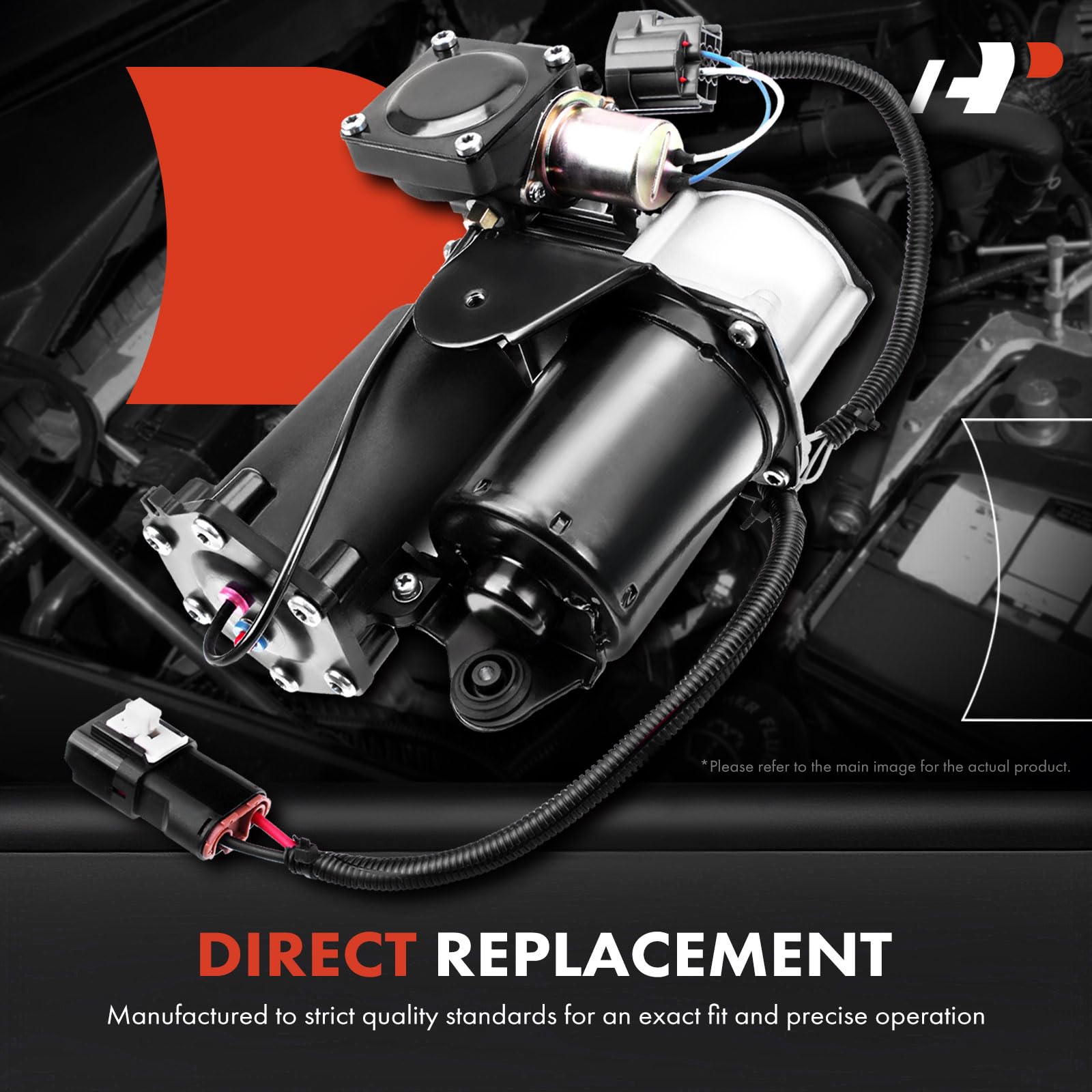 Representative Photo, actual item may vary
What Is an Air Suspension Compressor?
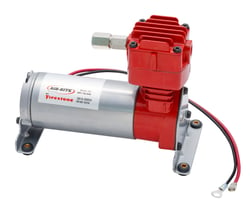
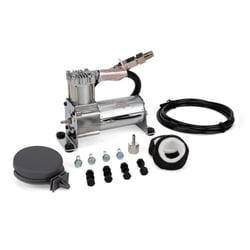
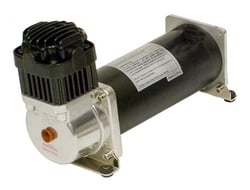
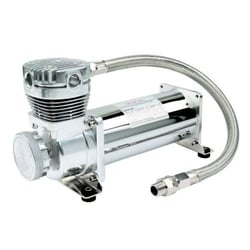
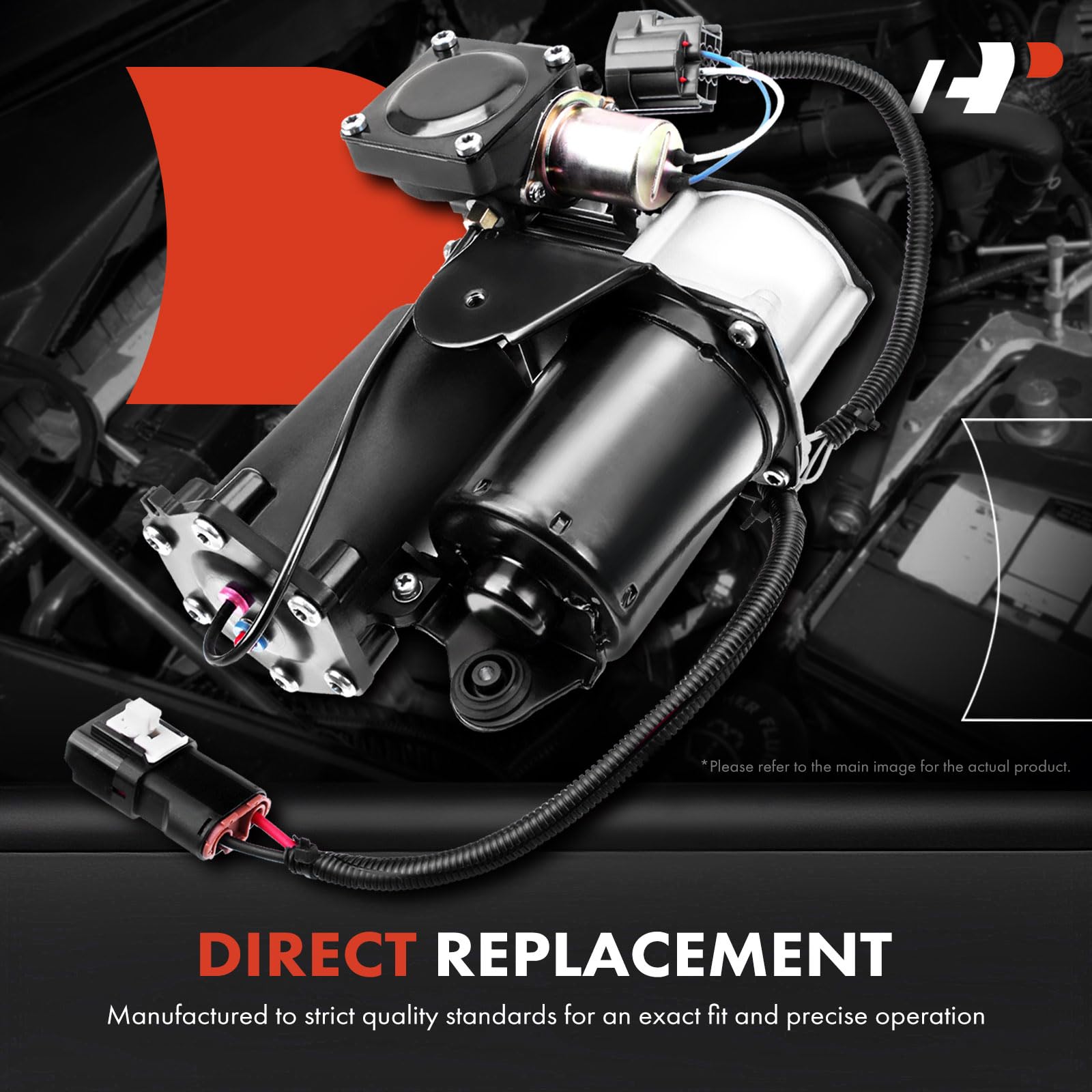
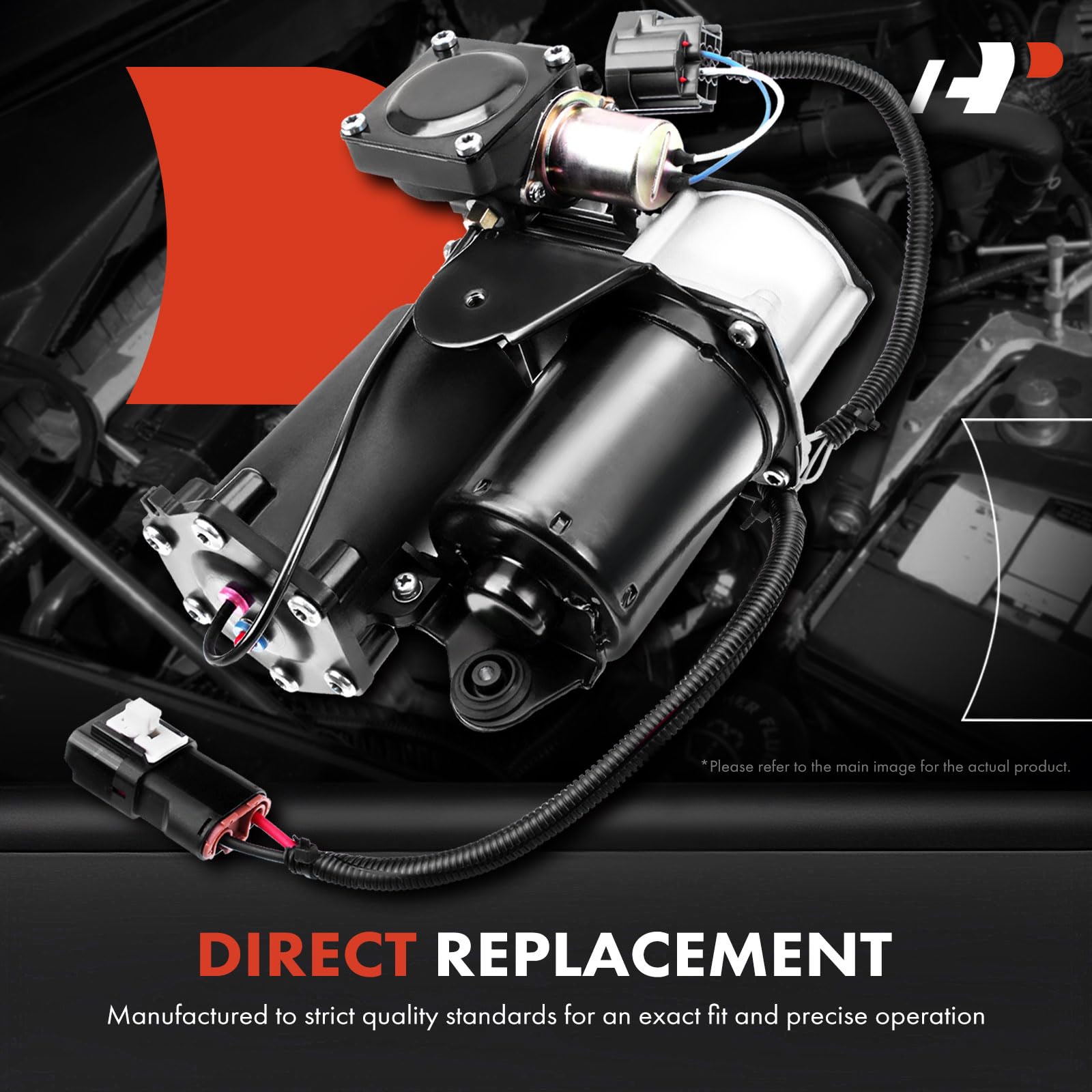
An air suspension compressor is the heart of any air suspension system. Rather than relying on traditional coil or leaf springs alone, air suspension systems use pressurized air delivered by a compressor to support and adjust vehicle ride height. The compressor draws in ambient air, pressurizes it, and sends it to air springs or air bags at each corner of the vehicle — allowing the suspension to be inflated or deflated on demand.
You'll find air suspension compressors at work in a wide range of applications: factory-equipped luxury SUVs and trucks that automatically level themselves under load, aftermarket tow-and-haul setups that prevent rear sag when pulling a trailer or carrying heavy cargo, and custom lowrider or bagged builds where adjustable ride height is the whole point.
Why the Compressor Matters
The compressor is the one component that keeps every other part of the air suspension system functional. A weak, worn, or failed compressor means the air springs can't maintain proper pressure, leading to a sagging, uneven, or bottomed-out ride. Over time, OEM compressors wear out — especially in vehicles like the Lincoln Navigator, Cadillac Escalade, Land Rover Range Rover, or Mercedes-Benz E-Class, where air suspension is standard equipment and cycles constantly.
When shopping for a replacement or upgrade, key factors to consider include:
- Duty cycle – How long the compressor can run continuously before it needs to cool down. Higher duty cycles are essential for vehicles that adjust frequently or carry heavy loads.
- Pressure rating (PSI) – Must match the requirements of your air springs or bags. Mismatched pressure can cause premature failure or underperformance.
- Flow rate (CFM) – Determines how quickly the system can inflate. More CFM means faster response time.
- Noise level – OEM-style replacement compressors are engineered to operate quietly. Aftermarket performance units may trade some noise for higher output.
- Mounting and fitment – Direct-fit replacements reduce installation time significantly versus universal-fit units that require fabrication.
Top Brands in Air Suspension Compressors
Air Lift is one of the most recognized names in the air suspension world, with decades of experience engineering both OEM-style replacement compressors and complete aftermarket air management systems. Their compressors are a go-to choice for towing, hauling, and performance builds alike, backed by a reputation for robust construction and broad vehicle coverage.
Viair has built a loyal following among enthusiasts and off-road builders for their high-output, high-duty-cycle compressors. Known for precision engineering and dependable performance under demanding conditions, Viair compressors are equally at home powering air horns, onboard air systems, and full air suspension setups.
Replacing vs. Upgrading Your Air Suspension Compressor
For daily drivers and luxury vehicles, a direct-fit OEM-equivalent replacement is usually the right call — it restores factory ride quality with minimal fuss. For tow rigs, haulers, or performance builds, upgrading to a higher-output unit can dramatically improve system response and longevity. Either way, pairing the right compressor with quality air suspension components ensures the whole system works as intended for the long haul.