



Engine Variable Timing Adjuster




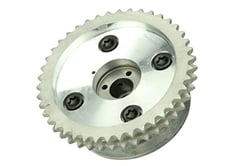


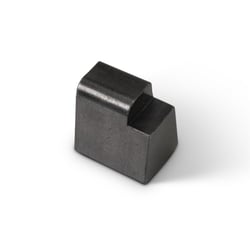

 Representative Photo, actual item may vary
Genuine Mercedes 156 050 37 47 64 Exchange Camshaft Adjuster Exhaust M156 6.3L AMG


What Is an Engine Variable Timing Adjuster?
An engine variable timing adjuster is a critical component in the valve train that gives you precise control over when your engine's valves open and close — or, in performance ignition applications, when your spark fires. Timing is everything in an internal combustion engine. Whether you're talking about cam phasing or ignition advance, even a small change in timing can mean the difference between maximum power and catastrophic detonation.
In modern OEM-style systems, variable timing adjusters work as cam phasers: hydraulically operated units mounted to the camshaft that can advance or retard the cam's position relative to the crankshaft. The engine's ECU continuously monitors speed, load, and throttle position, then directs pressurized oil to rotate the phaser in real time. The result is an engine that breathes optimally at every RPM range — delivering strong low-end torque without sacrificing high-RPM horsepower, while simultaneously reducing harmful emissions.
Why Variable Timing Matters for Performance and Reliability
Traditional fixed-timing engines were forced to compromise: a camshaft ground for peak high-RPM power would sacrifice low-speed torque and idle quality, while a street-oriented cam would leave power on the table at the top of the rev range. Variable timing eliminates that trade-off by dynamically adjusting valve events to suit actual driving conditions.
Beyond performance, timing adjusters are essential for engine health. When boost pressure rises in a forced-induction application, cylinder pressure spikes dramatically. Without the ability to retard timing under boost, that pressure surge can trigger detonation — the rapid, uncontrolled combustion that can crack pistons and destroy bearings. A quality variable timing adjuster lets you dial in just the right amount of retard per pound of boost, keeping the engine safe while maximizing power.
- Improved fuel efficiency through optimized combustion across all load and speed conditions
- More power by advancing timing for high-RPM performance without sacrificing low-end torque
- Detonation protection critical for turbocharged and supercharged applications
- Lower emissions by ensuring precise valve overlap and cleaner combustion events
- Adaptability to variables like altitude changes, fuel octane differences, and varying load demands
What to Look for When Shopping Variable Timing Adjusters
When selecting a variable timing adjuster, the most important considerations are application compatibility, adjustment range, and whether you need a passive (OEM-replacement) phaser or an active (driver-controlled) ignition timing controller. For forced-induction builds, look for boost-referenced retard capability that automatically scales timing back as boost pressure increases. For street/strip dual-use vehicles, a dash-mounted adjustable control that lets you compensate for fuel quality changes or altitude on the fly is invaluable. Always verify that the unit is compatible with your ignition system and cylinder count before purchasing.
Top Brands in Engine Variable Timing Adjusters
When it comes to performance ignition timing control, MSD stands in a class of its own. With decades of motorsport experience spanning drag racing, road racing, and land speed events, MSD's variable timing adjuster lineup — including boost timing masters and adjustable timing controls — gives enthusiasts the ability to advance or retard ignition timing directly from the driver's seat. Their units are engineered to work seamlessly with MSD ignition controls and support 4-, 6-, and 8-cylinder engines, making them a trusted choice for both weekend warriors and serious racers.