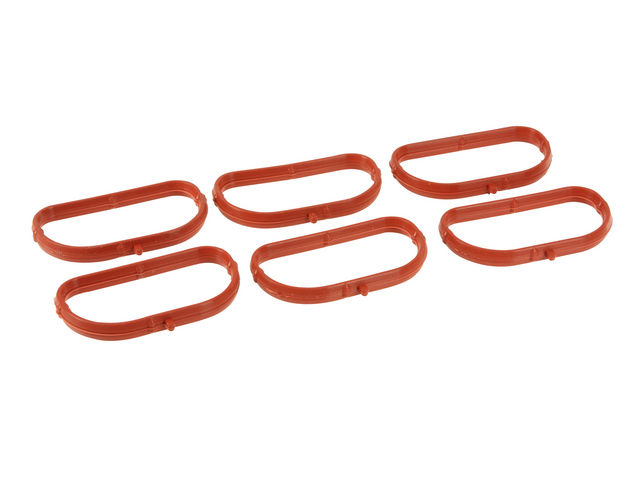
Fuel Injection Plenum Gasket
Understanding Fuel Injection Plenum Gaskets
The purpose of a fuel injection plenum gasket is to provide a seal between the fuel injector plenum and the engine, preventing fuel from leaking and preventing air from entering the fuel system. These specialized gaskets sit at the junction where the upper intake manifold, or plenum chamber, meets the lower manifold sections. The plenum gasket is a seal that sits between the intake manifold and the cylinder head(s). It helps to prevent air leaks and keeps contaminants from entering the engine.
When a plenum gasket fails, the consequences can range from minor performance issues to serious engine problems. Common symptoms of a failing fuel injection plenum gasket include engine misfires, rough idling, and vacuum leaks, which can trigger trouble codes such as P0300, P0301, P0302, and more. Addressing gasket failure promptly helps maintain proper air-fuel ratios and prevents more costly repairs down the road.
Why Plenum Gaskets Matter for Engine Performance
Intake manifold gaskets play a key role in regulating the air-fuel balance in a vehicle's engine cylinders. As a result, a failing gasket can lead to faulty engine cylinders, which can result in engine misfires or overheating. The plenum chamber itself serves as a distribution point, ensuring that the air-fuel mixture reaches each cylinder evenly and efficiently. Without a properly sealed gasket, vacuum leaks compromise this delicate balance, leading to poor fuel economy, rough idle, and reduced power output.
Modern engines place increasingly demanding requirements on gasket materials. Extended-life coolants, higher operating temperatures, and lightweight aluminum construction all challenge traditional gasket designs. Quality plenum gaskets are engineered with application-specific materials—from molded rubber compounds to composite designs with mechanical beads—that accommodate thermal expansion and compression cycles while maintaining a reliable seal over the long term.
Top Brands for Fuel Injection Plenum Gaskets
Selecting the right gasket manufacturer ensures proper fit and long-lasting performance. MAHLE stands as an industry leader in gasket technology. MAHLE® gaskets lead the way. 99% of gaskets sold in a MAHLE box meet this standard - far more than any competitor. MAHLE Aftermarket does the research and testing to provide the optimum material and technology for that specific application.
Beck/Arnley brings decades of import vehicle expertise to the gasket market, offering precision-engineered sealing solutions that meet or exceed original equipment specifications. Their plenum gaskets are designed for reliable performance across a wide range of Asian and European applications.
Victor (Victor Reinz) has earned trust since 1909 as a gasket pioneer. Victor Reinz product coverage includes upper manifold (plenum) gaskets, lower intake manifold gaskets and additional gaskets and seals as required. Victor Reinz engineers choose from the worlds broadest range of gasket materials and constructions, and select the best design for the specific engine, whether it is import, domestic, heavy cast iron or lightweight aluminum.
Choosing the Right Plenum Gasket
When selecting a fuel injection plenum gasket, always verify the exact fit for your vehicle's year, make, model, and engine size. Gasket materials vary by application—molded rubber gaskets work well for their flexibility and resistance to temperature extremes, while composite gaskets with steel cores offer superior durability under high compression loads. Check whether your application requires an upper plenum gasket set, lower manifold gaskets, or a complete kit with all necessary sealing components.
Professional technicians recommend replacing plenum gaskets during intake manifold service or whenever vacuum leaks are detected. Proper surface preparation—cleaning old gasket material and inspecting mating surfaces for warping or damage—ensures the new gasket seats correctly and provides years of reliable service.