



Engine Coolant Hose
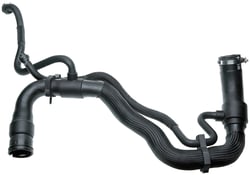

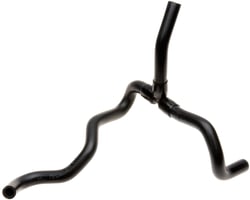
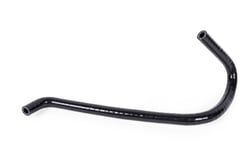

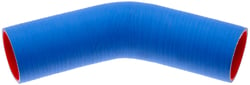
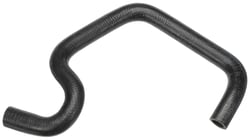
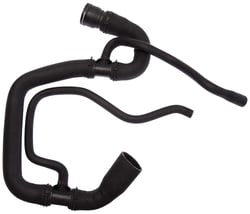



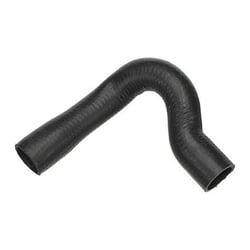

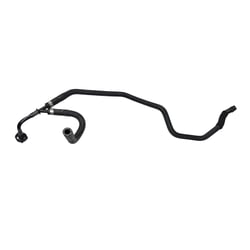

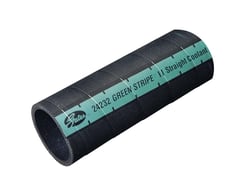

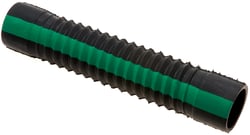
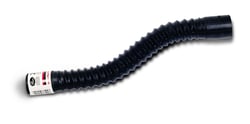

Mishimoto MMHOSE-392-21OC Silicone Oil Cooler Hose for Jeep JL Rubicon 392


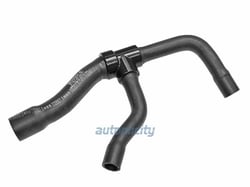
Genuine Porsche 996-106-222-17 Engine Coolant Hose Water Pump 3-Way


Genuine BMW 17-12-5-A09-423 Water Hose Radiator to Expansion Tank Vent Hose

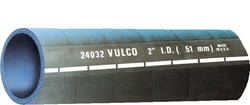
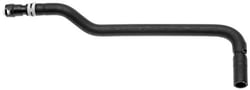


Genuine BMW 13-31-1-308-897 Radiator Expansion Tank Hose Elbow


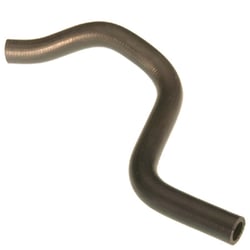
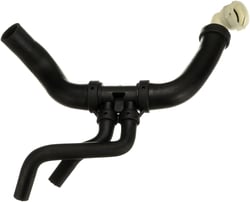


Genuine Porsche 996-106-851-03 Water Hose with Adapter Fitting
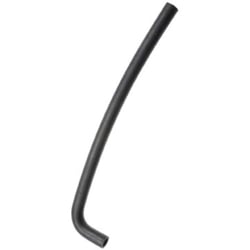


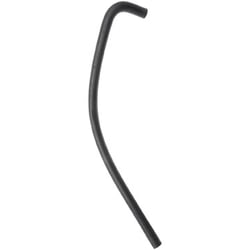

URO 11537544638PRM Coolant Hose with Upgraded Metal Connector for BMW N52 Engine


Genuine Mercedes 221-830-20-96 Water Hose Engine to Auxiliary Pump Feed


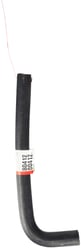
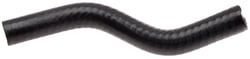
Gates 18623 Small I.D. Molded Coolant Hose 0.25" ID x 4.8" Length


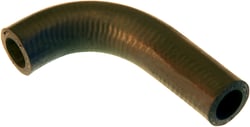

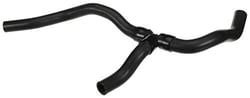
What Are Engine Coolant Hoses?
Engine coolant hoses are the vital flexible conduits that circulate coolant throughout your vehicle's cooling system. Coolant hoses play a critical role in moving coolant between the engine, radiator, and heater core — constantly absorbing excess heat from the engine block and transporting it to the radiator where it can be safely dissipated into the surrounding air. Without a healthy network of coolant hoses, even a well-maintained engine can overheat within minutes.
Types of Engine Coolant Hoses
Modern cooling systems rely on several distinct hose types, each engineered for a specific role:
- Upper Radiator Hose: Connects the thermostat housing on the engine to the top of the radiator. It carries the hottest coolant directly from the engine and, because of this, typically endures the most heat and pressure stress — making it the most common hose to fail first.
- Lower Radiator Hose: Runs from the bottom of the radiator to the engine's water pump, returning cooled fluid back into the engine. Many lower hoses contain an internal reinforcing coil to prevent collapse from the suction generated by the water pump.
- Heater Hoses: Smaller-diameter hoses that supply hot coolant from the engine to the heater core — a small radiator-like device located beneath the dashboard — where heat is transferred to the air blown into the passenger cabin.
- Bypass Hoses: During cold starts, the thermostat stays closed and coolant is directed back to the engine block rather than through the radiator. A bypass hose (or rigid bypass pipe on some vehicles) handles this re-circulation loop until the engine reaches normal operating temperature.
- Overflow/Reservoir Hoses: Connect the radiator to the coolant overflow reservoir, allowing excess coolant to be stored safely as system pressure rises, then returned to the radiator as it cools.
Why Coolant Hose Condition Matters
Coolant hoses are considered the most vulnerable structural component of the cooling system. They are built to withstand coolant under intense pressure, extreme temperatures, constant engine vibration, oils, and corrosive chemicals — but they don't last forever. One particularly insidious threat is electrochemical degradation (ECD), a process in which coolant mixed with metal particles from the engine generates a weak electrical current that slowly attacks the hose rubber from the inside out, making it brittle and prone to sudden failure.
Because hoses degrade from the inside out, outer appearance alone is not a reliable indicator of condition. A hose can look perfectly fine while its inner lining is on the verge of collapse. Efficient coolant circulation doesn't just prevent overheating — it also ensures consistent engine performance, optimal fuel efficiency, and reduced emissions.
Signs Your Coolant Hoses Need Replacing
Staying ahead of hose failure is far less costly than dealing with engine overheating or a roadside breakdown. Watch for these warning signs:
- Soft, spongy, or mushy texture when squeezed with a cold engine — a sign the rubber has internally deteriorated
- Cracking, hardening, or a glossy outer surface — caused by sustained heat exposure
- Visible swelling or bulging — indicates the inner fabric reinforcement has weakened
- Coolant leaks pooling under the vehicle or visible seepage near hose ends or clamps
- Rising engine temperature gauge or illuminated coolant warning light
- Collapsed lower hose — a sure sign the internal reinforcing coil is missing or damaged
Shopping Tips: Choosing the Right Coolant Hose
Coolant hoses are vehicle-specific — molded and contoured to fit a particular engine bay layout, route around the serpentine belt, and connect precisely to factory fittings. Always verify the correct hose for your year, make, and model before purchasing. In terms of materials, most modern replacement hoses use EPDM (ethylene propylene diene monomer) rubber, which resists ozone degradation that can attack older rubber compounds. Silicone hoses offer superior heat tolerance and longevity, making them a popular upgrade for high-performance, turbocharged, or supercharged applications where heat output is significantly greater.
As a general maintenance guideline, hose manufacturers recommend inspection at every oil change and proactive replacement every 4 to 5 years or around the 60,000–100,000-mile mark — whichever comes first. When replacing one hose, it's smart practice to replace the paired hose at the same time, since both have experienced the same service life. Replacing hose clamps during the same service is also recommended, as original spring-type clamps can lose tension with age.