Vehicle Speed Sensor
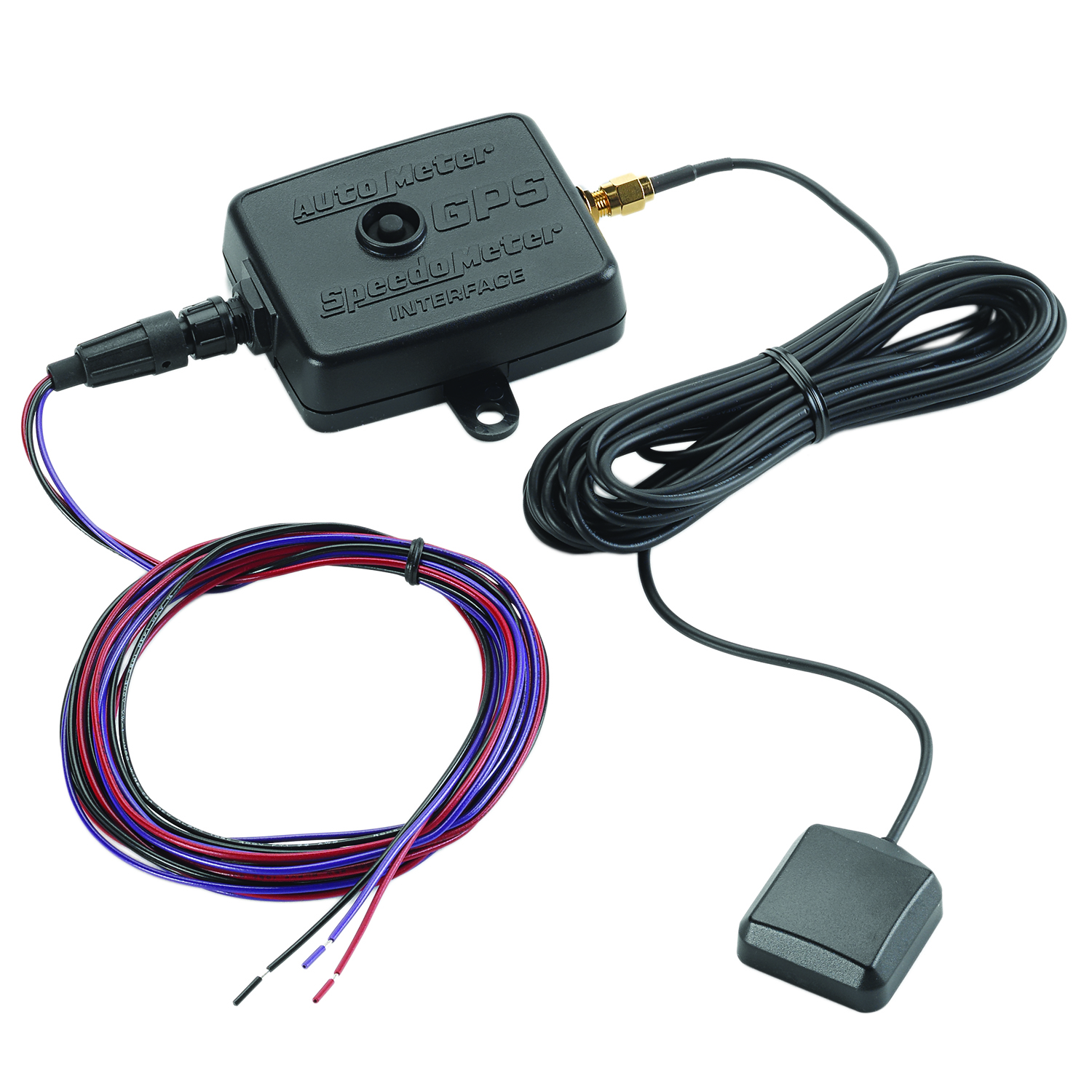
AutoMeter 5291 Mechanical to Electric Speed Sensor Hall Effect GM Chrysler
AutoMeter 5292 Mechanical to Electric Speed Sensor - Ford Plug-In, Hall Effect, 16 Pulse
Genuine Porsche 92860621000 Speedometer Impulse Sender Vehicle Speed Sensor
BD Diesel 1057650 Top Speed Eliminator with RAD Technology for 2000.5-2003 Dodge Cummins
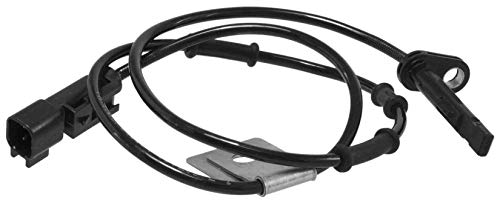
Raybestos ABS530581 Front Passenger Side ABS Wheel Speed Sensor
Genuine Porsche 91160620901 Vehicle Speed Sensor Speedometer Impulse Sender
URO 357919149B Vehicle Speed Sensor for Volkswagen Automatic Transmission
- 1
- 2
What Is a Vehicle Speed Sensor?
The vehicle speed sensor (VSS) is one of the most consequential electronic components on a modern automobile. Vehicle speed sensors measure the rotational speed of the transmission output shaft or wheel hubs and relay that data as electrical pulses to the vehicle's onboard computer. It's a deceptively simple job with enormous consequences: virtually every driver-facing and safety system on your car depends on accurate speed data.
How Does a VSS Work?
Most vehicle speed sensors operate on one of two principles. Older magnetic (reluctor) sensors generate an alternating-current voltage signal whose frequency rises and falls with shaft speed. Newer Hall-effect sensors use a semiconductor chip to detect changes in a magnetic field and produce a cleaner digital square-wave output — making them more accurate and reliable, particularly at low speeds.
Regardless of type, the sensor's signal travels to the Engine Control Module (ECM) or Powertrain Control Module (PCM). From there, the data influences a surprisingly wide range of vehicle functions: fuel injection timing, ignition advance, automatic transmission shift points, torque converter clutch engagement, idle-air-control valve operation, cruise control, anti-lock braking (ABS), traction control, and even the speedometer and odometer readings.
Why VSS Condition Matters
A failing or inaccurate speed sensor rarely causes just one symptom. Drivers may notice erratic speedometer readings, a transmission that shifts late or hunts between gears, a cruise control that disengages unexpectedly, or an ABS warning light. Because the VSS feeds so many systems simultaneously, a single faulty sensor can cascade into multiple drivability complaints — and a stored diagnostic trouble code. Replacing a worn VSS promptly is one of the higher-return maintenance tasks on any vehicle.
What to Consider When Shopping for a Vehicle Speed Sensor
- OE vs. aftermarket fit: The sensor must match your vehicle's connector, thread pitch, and output signal type (magnetic vs. Hall-effect). An incorrect signal type will confuse the ECM.
- Foreign vs. domestic application: Import nameplates often require sensors sourced and validated specifically for their OE specifications.
- Street vs. performance/racing use: High-performance and racing applications may call for sensors designed to interface directly with data acquisition systems rather than OEM control modules.
Top Brands in Vehicle Speed Sensors
For street and daily-driver applications, Beck/Arnley is a trusted name in OE-quality replacement sensors. Beck/Arnley parts are engineered as direct replacements for foreign nameplates, with close attention to form, fit, and function — meaning each sensor is matched to the precise connector and signal characteristics of the original equipment it replaces. Their global sourcing network and strict specification requirements make them a go-to choice for import vehicle owners who want factory-level confidence in an aftermarket part.
For performance and motorsports environments, Racepak brings a completely different perspective to speed sensing. As a dedicated motorsports data acquisition brand and part of the Holley Performance Products family, Racepak engineers their sensors to deliver accurate, consistent readings under the most demanding on-track conditions — from drag racing and circle track to off-road desert racing. Their speed sensors are designed to integrate seamlessly with Racepak's V-Net data loggers and digital dash systems, giving racers and tuners the precise wheel-speed and driveshaft-RPM data they need for informed setup decisions and real-time strategy.