



Brake Light Switch


Earl's Performance PK0017ERL Brake Light Switch Kit - Pressure Activated with Tee





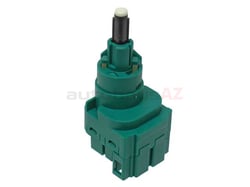
 Representative Photo, actual item may vary
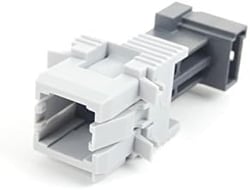

Hella 003263081 Mechanical Stop Lamp Switch Push Type for BMW


Hella 003262001 Hydraulic Brake Light Stop Lamp Switch for Audi/VW
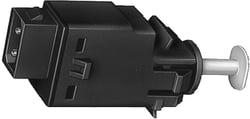
Hella 006095001 Mechanical Brake Light Stop Lamp Switch for BMW


 Representative Photo, actual item may vary
Genuine Porsche 901-613-115-01 Two-Pole Brake Light Switch for Master Cylinder

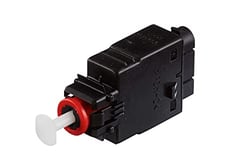
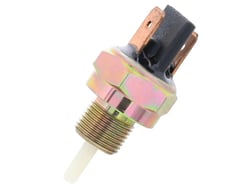

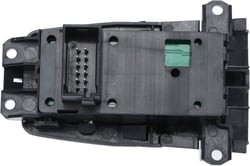


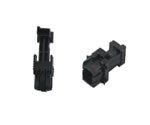 Representative Photo, actual item may vary


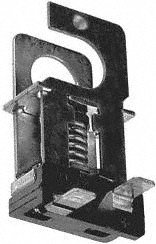

What Is a Brake Light Switch and Why Does It Matter?
The brake light switch is one of the most safety-critical electrical components on any vehicle. Brake light switches are small, spring-loaded devices typically mounted near the top of the brake pedal arm beneath the dashboard. Their job is elegantly simple: the moment you press the brake pedal, the switch completes an electrical circuit that illuminates the red stop lamps at the rear of your vehicle, alerting following traffic that you are slowing or stopping. That single action is one of the most important signals exchanged between drivers on the road every day.
What many drivers don't realize is that a brake light switch does far more than control a couple of bulbs. In modern vehicles, it communicates directly with the vehicle's control modules, triggering the deactivation of cruise control when the brakes are applied, enabling push-button ignition systems to confirm pedal input, and even feeding data to ABS, ESC, and traction control systems. On vehicles with automatic transmissions, the switch is also tied to the brake-shift interlock, which prevents the shifter from leaving "Park" unless the pedal is depressed. A single faulty switch can cascade into a surprising range of drivability and safety problems.
Signs of a Failing Brake Light Switch
- Brake lights don't illuminate when the pedal is pressed — a serious safety hazard and a ticketable offense
- Brake lights stay on constantly, even when the pedal is released, which can drain the battery overnight
- Cruise control won't engage or disengage properly during braking
- Inability to shift out of Park on vehicles equipped with a brake-shift interlock
- Dashboard warning lights such as ABS, Check Engine, or ESC alerts triggered by a faulty switch signal
Mechanical vs. Hydraulic Brake Light Switches
Most passenger vehicles manufactured since the late 1960s use a mechanical brake light switch — a plunger-style or spring-loaded contact device that reacts to physical pedal movement. Some older and specialty vehicles use a hydraulic brake light switch, which is threaded into the brake hydraulic circuit and responds to pressure changes in the brake lines rather than pedal position. Knowing which type your vehicle requires is the first step to choosing the correct replacement.
Top Brake Light Switch Brands
For European vehicles — including BMW, Mercedes-Benz, Audi, Volkswagen, and Volvo — URO Parts offers one of the widest aftermarket selections available. URO's manufacturing facilities are certified to ISO/IATF 16949 quality management standards, and the brand is widely regarded as a cost-effective alternative to overpriced dealer parts for European luxury and performance models.
Facet, an Italian manufacturer with deep roots in European automotive electrical components, produces brake light switches engineered to OEM specifications. Facet's switches cover an exceptionally broad range of makes — from BMW and Mercedes to Toyota, Nissan, Land Rover, and Aston Martin — and are built to perform reliably across the full spectrum of integrated safety systems they serve.
For Ford, Lincoln, and Mercury applications, Motorcraft is the factory-backed choice. As Ford Motor Company's own parts brand, Motorcraft brake light switches are designed and validated to meet the exact OEM specifications of the vehicles they serve, making them a trusted option for owners who want the confidence of a factory-authorized replacement.
What to Consider When Shopping for a Brake Light Switch
Always verify the OEM part number from your vehicle's service manual or the existing switch before ordering — connector pin counts (2-pin, 4-pin, 6-pin) vary significantly between makes and model years, and an incorrect switch can cause electrical faults even if it physically fits. If your vehicle has advanced driver-assistance or stability systems, confirm that the replacement switch is fully compatible with all circuits it must serve, not just the brake lamp circuit.