



Engine Rocker Arm Bridge
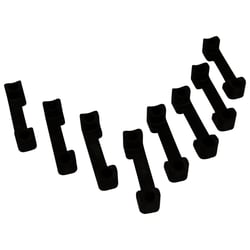


COMP Cams 4663-1 Replacement Pedestal for GM LS1/LS2/LS6 Non-Adjustable Rocker Arms

Fleece Performance FPE-BRAB-C1 Billet Rocker Arm Bridges Set of 12 for Cummins 5.9L/6.7L

What Is an Engine Rocker Arm Bridge?
The engine rocker arm bridge — sometimes called a valve bridge or valve yoke — is a small but critically important component nestled within the valve train. Its primary job is elegantly simple: connecting two intake or exhaust valve stems so that a single rocker arm can actuate both valves simultaneously. It acts as a mechanical link, sitting across the tops of adjacent valve stems so that when the rocker arm pushes down, both valves are pressed open in unison — at precisely the right moment in the combustion cycle.
Without a properly functioning rocker arm bridge, the rocker arm would be unable to evenly distribute its force across both valve stems, leading to uneven valve opening, poor sealing, and ultimately compromised engine performance. This component is especially common in multi-valve diesel and heavy-duty gasoline engines, where four valves per cylinder (two intake and two exhaust) are the norm.
How the Rocker Arm Bridge Fits Into the Valve Train
To understand the rocker arm bridge, it helps to visualize the full valve train sequence. The camshaft rotates and its lobes push upward on the rocker arm. The rocker arm pivots on a shaft or stud, transferring that upward force into a downward push on the valve side. In engines with two valves per rocker arm, the bridge spans those two valves, allowing the rocker's single contact point to depress both stems with balanced force and timing.
This design keeps the valvetrain compact and mechanically efficient. Rather than requiring a dedicated rocker arm for each individual valve, the bridge enables one rocker to handle two — reducing component count, weight, and potential failure points within the cylinder head assembly.
Why Rocker Arm Bridge Condition Matters
Because the rocker arm bridge is in constant motion under significant mechanical load, it is subject to wear over time. A worn, cracked, or improperly adjusted bridge can cause a cascade of problems throughout the engine:
- Uneven valve actuation — If the bridge does not seat squarely on both valve stems, one valve may open more than the other, disrupting airflow into and out of the combustion chamber.
- Improper valve seating — A damaged bridge can prevent exhaust valves from sealing completely, leading to hot exhaust gases leaking past the seat, overheating, and eventually burned valves.
- Ticking or clicking noises — Audible tapping from the valve train area is one of the most common early warning signs that a bridge or associated rocker components are worn or have incorrect valve lash.
- Power loss and rough running — When valves don't open and close at the right time or to the correct lift, cylinder filling efficiency drops, reducing power output and fuel efficiency.
- Check engine light — Modern engines with sensor-monitored valve timing can trigger diagnostic trouble codes related to valve train irregularities.
Valve Bridge Adjustment and Replacement
Valve bridge adjustment is a precise procedure that should always be performed according to the engine manufacturer's specifications. Errors in adjustment can lead to high exhaust temperatures, piston contact, and improper valve seating — all of which can cause serious engine damage. When replacing or adjusting bridges, it's equally important to inspect the surrounding valve train components for wear, including the rocker arms, pushrods, and valve stems themselves.
For engines that see heavy use — such as diesel trucks, commercial vehicles, and performance applications — upgrading to billet or heavy-duty rocker arm bridges can provide improved durability and resistance to the fatigue stresses that cause standard bridges to crack or deform over time.
Choosing the Right Engine Rocker Arm Bridge
When shopping for a replacement rocker arm bridge, fitment is everything. These components are engine-specific, and using the wrong bridge can lead to misalignment and accelerated wear throughout the entire valve train. Always verify your engine's make, model, displacement, and year before ordering. Look for parts that meet or exceed OEM tolerances to ensure consistent valve timing, proper seating, and long service life.