Control Modules
HKS 4501-RA002 Fuel Cut Defencer Electronic Boost Controller
BD Diesel 1059700-A 6.0L Power Stroke FICM 58-Volt Fuel Injection Control Module Ford 2003-2007
HKS 4502-RA002 Speed Limit Defencer Electronic Speed Limiter Remover
Genuine BMW 12-52-7-510-638 Integrated Supply Module Fuel Pump Assembly
BD Diesel 1036606 High Idle Control Kit for 2006-2007 Duramax LBZ
FAST 301007 XFI 2.0 ECU with Intelligent Traction Control and Internal Data Logging
FAST 301004 XFI 2.0 ECU Kit with Internal Data Logging and 16 Injector Capability
FAST 301003 XFI 2.0 Engine Control Unit ECU Kit with Internal Data Logging
What Are Automotive Control Modules?
Modern vehicles are as much sophisticated computers as they are mechanical machines. At the heart of this digital infrastructure lies a network of control modules — compact electronic units that collect sensor data, make real-time decisions, and issue commands to keep your vehicle running safely and efficiently. The intricate operation of modern automotive technology relies on various control modules, each responsible for managing specific aspects of a vehicle's operation. Whether you're restoring an older car, replacing a failed unit, or upgrading to a performance-oriented system, understanding these modules is essential.
How Control Modules Work Together
The Engine Control Module (ECM) is often referred to as the "brain" of an engine. Different sensors throughout the engine send data (inputs) to the ECM to digest — then it makes decisions (outputs) based on the vehicle's calibration and operating behaviors. Using that information, it determines camshaft position, throttle position, ignition timing, fuel injection timing, and in turbocharged cars, wastegate pressure — keeping the engine running at peak performance even in changing conditions.
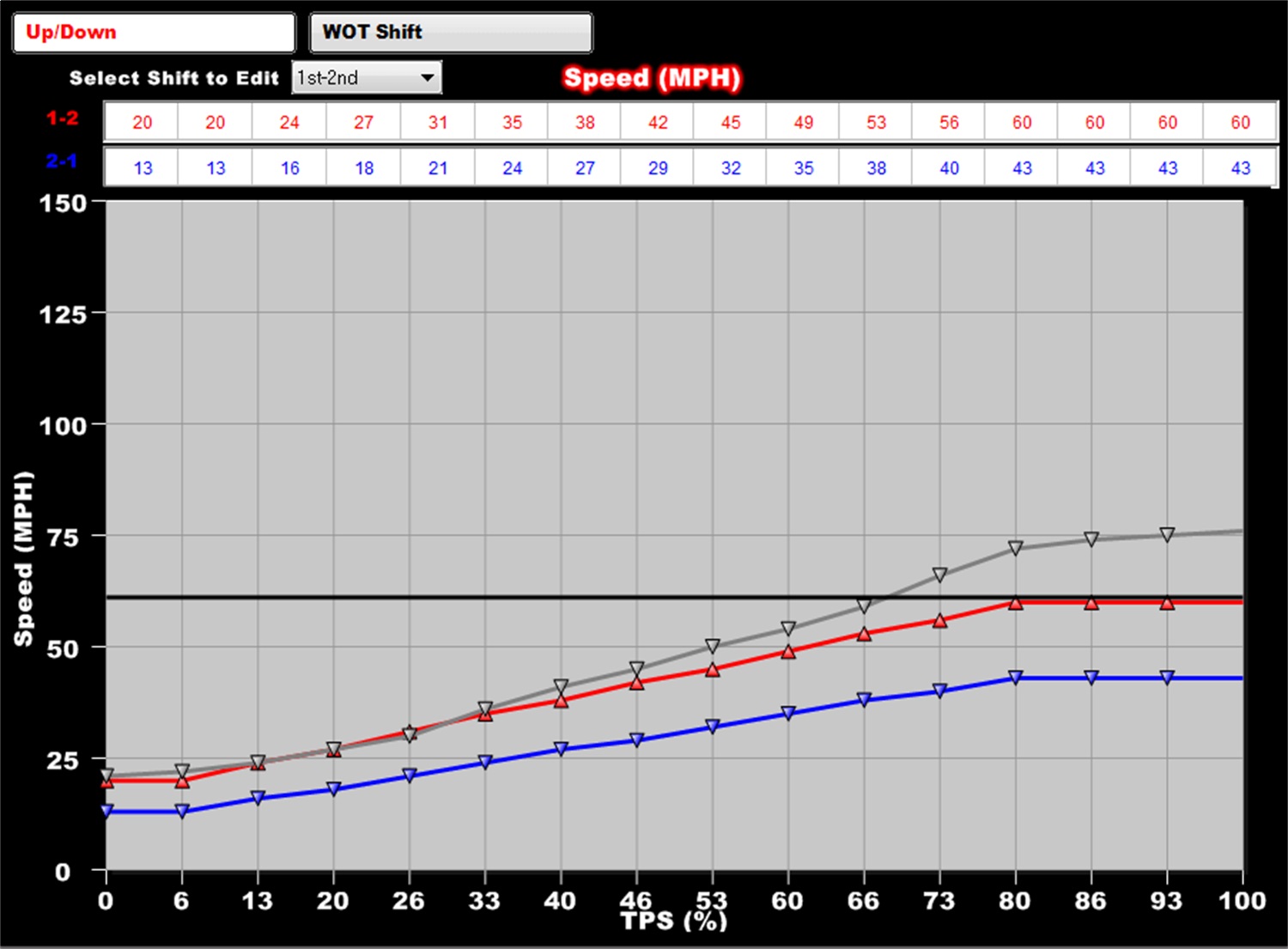
Control modules don't operate in isolation. The ECM and other control modules within a vehicle communicate via a network, typically using a Controller Area Network (CAN) bus, allowing the modules to share information and coordinate their actions. For example, the ECM provides the TCM with information about engine torque and speed, which the TCM uses to determine optimal shift points — and the TCM, in turn, can request the ECM to reduce engine torque during gear changes for smoother transitions, making this inter-module communication essential for optimizing overall vehicle performance and efficiency.
Explore Control Module Subcategories
Our control module catalog spans a wide range of vehicle and equipment applications. The Engine Control Module category is the most expansive, covering replacement and performance ECMs for virtually every make and model. For performance builds and engine swaps, Engine Control Module PROMs allow precision calibration of fuel and ignition maps. If you rely on a standby or portable generator, the Generator Battery Control Module category covers the electronic regulators that keep those systems charging and running correctly. Drivers dealing with wheel-slip or stability issues will find solutions in the Traction Control Module category. And for those doing a full ECM replacement or custom installation, Engine Control Module Brackets provide the proper mounting hardware to secure units reliably.
Top Brands in Control Modules
Cardone is one of the most recognized names in remanufactured control modules. Their reverse engineering process provides insight into how and why a unit originally failed, allowing engineers to identify and correct original design weaknesses — and all critical components are re-soldered or replaced at their Philadelphia manufacturing plant, with each unit 100% computer tested to ensure reliability.
Holley EFI is the go-to choice for performance enthusiasts and engine builders. Holley EFI systems deliver advanced electronic fuel injection control for serious performance enthusiasts and racers, providing comprehensive fuel and ignition management along with support for power adders and auxiliary controls for a wide range of applications.
ACDelco brings OEM-grade engineering to the control module market, making it a top pick for GM vehicle owners seeking factory-spec replacements that integrate seamlessly with existing vehicle electronics and diagnostic systems.
Standard Motor Products has a long-standing reputation for broad vehicle coverage and consistent quality in engine management components, offering control modules that meet OE specifications across domestic and import applications.
Briggs & Stratton extends control module expertise beyond the automotive world into outdoor power equipment — their modules are essential for managing the electrical systems of small engines found in generators, lawn equipment, and more.
What to Consider When Buying a Control Module
- OEM vs. Remanufactured vs. Performance: OEM and remanufactured modules restore factory functionality; performance ECUs like those from Holley EFI unlock tuning potential for modified builds.
- Vehicle Compatibility: Control modules are highly vehicle-specific. Always verify fitment by year, make, model, and engine code before purchasing.
- Programming Requirements: Pinpointing whether a module is at fault requires diagnostic tools that can read trouble codes, and it is important to reprogram or flash the replacement module to match the vehicle's specifications.
- Diagnostic Capability: One significant advantage of electronic control modules is their built-in self-diagnostic systems, which can identify and store error codes when malfunctions occur.