



Bosch Ballast Resistor


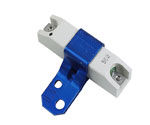

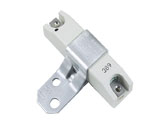


Bosch Ballast Resistors: Ignition Protection from the Company That Helped Define It
Bosch has long been associated with ignition technology, and its ballast resistors reflect that heritage. A ballast resistor sits in series with the primary circuit of an ignition coil and reduces the voltage reaching it during normal running. This keeps the coil from overheating and extends the life of the ignition components around it. Bosch's ballast resistors are built to the same specifications as the ignition systems they were designed to serve, which makes them a sensible choice for owners of classic and vintage European vehicles.
How a Ballast Resistor Works in a Bosch Ignition System
In a ballasted ignition circuit, the 12-volt feed passes through the resistor, so the coil operates at a lower voltage, typically around 9 volts. During cranking, many systems bypass the resistor to give the coil a full-voltage boost for easier starting. Bosch's performance-oriented ballasted coils follow this approach and are designed to be paired with a matching resistor. If you run a ballast-type coil without its resistor, the coil can overheat. If you run a coil that doesn't need a ballast resistor on a resistor-reduced feed, the result is a weaker spark. Choosing the correct resistance value matters.
Bosch 0227901 Series Part Numbers
Bosch's ballast resistors are usually found under the 0227901 series. Common examples include:
- 0227901012 – Listed for Mercedes-Benz, Audi and BMW applications, and cross-referenced to several original equipment numbers.
- 0227901013 – Used in various Mercedes-Benz models and supplied as a factory-correct replacement.
- 0227901014 – A 1.8 ohm resistor used with Bosch's "red" ignition coil on early Mercedes-Benz models without transistorized ignition, such as the 230SL and 250SL.
- 0227900001 – A German-made series resistor associated with Porsche 924 applications.
Always check the part number and resistance value against your vehicle's original specification before ordering, since different ignition systems use different values.
Signs It May Be Time to Replace Your Ballast Resistor
A failing ballast resistor can produce symptoms that look like other ignition problems. Watch for:
- Hard starting or no-start conditions
- Engine misfires or inconsistent running
- Stalling, particularly after the engine warms up
- Visible cracking, burning or damage on the resistor body
A ballast resistor is a simple, inexpensive component, but a failed one can cause drivability problems that are easy to misdiagnose, so it is worth checking early in an ignition diagnosis.
Explore More
To see everything the manufacturer offers across ignition, fuel, filtration and more, visit the full Bosch brand page. For a broader look at how these components work and what to consider across different makes, see the complete Ballast Resistor category.
